CONSEIL EN ART GRATUIT

x
Commander la reproduction Commander la reproductionAcheter l'image haute résolution Acheter l'image haute résolution PartagerPartager
DétailsDétails Ajouter aux favoris Ajouter aux favoris TéléchargerTélécharger Articles similairesArticles similaires RadiographieRadiographie DiaporamaDiaporama

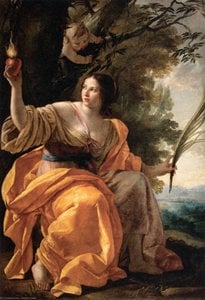
Annunciation

Simon Vouet’s "Annunciation" (1640) – A dramatic Baroque masterpiece! Witness exquisite detail, dynamic composition & divine light in this stunning religious painting.

Simon Vouet (1590-1649) : Peintre baroque français majeur, il introduit les tendances artistiques italiennes en France et influence des générations d'artistes par ses portraits & compositions grandioses.

Giclée / Impression d'art

Impression giclée ou sur toile de qualité musée, avec une production rapide et des finitions au choix.

P118B $10
P118H $10
P118W $10
P438Z $10
P508JH $12
P508YH $12
P805H $10
P805Z $10
P919BZ $10
P919G $10
P919XJ $10
P959ZH $10
P968JZ $12
W106C $8
W218G $10
W218JH $8
W218Y $10
W307PJ $10
W316G $10
W316PJ $8
W316Y $10
W398PJ $8
W4111J $10
W500HY $15
W500JH $15
W692G $12
W849H $8
W940BG $15
W953PJ $8

Standard
custom
CM
INCH

Choisissez parmi nos formats prédéfinis qui respectent les proportions originales de l’œuvre.

largeur
hauteur

Vous pouvez saisir vos propres dimensions pour vous adapter à un cadre ou à un espace spécifique. Si la taille sélectionnée ne correspond pas aux proportions de l'image originale, nous recadrerons l'œuvre ou étendrons l'image avec une bordure en miroir ou une couleur unie. Une maquette numérique vous sera envoyée pour approbation avant le début de la production.
Veuillez noter que l'aperçu à l'écran ne reflète pas le recadrage ou l'extension réelle. Seule la maquette montrera avec précision la composition finale.
Bien que des tailles personnalisées soient disponibles, nous vous recommandons de choisir une dimension dans la liste prédéfinie afin de préserver les proportions originales.

Livraison dans le monde entier () en 2 semaines au lieu des 4/5 semaines habituelles. (2 juillet)

why_choose_icon
Livraison express gratuite dans le monde entier
why_choose_icon
Toile de lin de haute qualité
why_choose_icon
Assurance transport complète
why_choose_icon
Garantie de remboursement des frais de douane
why_choose_icon
Garantie de fidélité des couleurs
why_choose_icon
Politique de retour de 60 jours (uniquement en cas de défaut)
why_choose_icon
Garantie de remboursement à 100%
why_choose_icon
Réduction sur les achats groupés

Prix total

-

reproduction

Annunciation

Giclée / Impression d'art

Format de reproduction

-

Prix total final

-

En bref

  • Medium: Oil on canvas
  • Dimensions: 121 x 86 cm
  • Subject or theme: Religious scene
  • Influences: Italian Baroque
  • Year: 1640
  • Location: Galleria degli Uffizi
  • Artistic style: Dynamic composition

Quiz d'art

Chaque question ne comporte qu'une seule bonne réponse.

Question 1:
What is the primary religious scene depicted in Simon Vouet’s "Annunciation"?
Question 2:
Based on the image description, what is a prominent feature of the lighting in the painting?
Question 3:
The image description mentions a flattened perspective. What effect does this primarily create?
Question 4:
Simon Vouet is known for his role in introducing which artistic style to France?
Question 5:
What symbolic element is present in the painting, representing divine intervention?

Description de l'œuvre

A Divine Encounter: Simon Vouet’s Annunciation

Simon Vouet's "Annunciation," painted in 1640, is more than just a religious depiction; it’s a masterful orchestration of light, shadow, and human emotion. This captivating work transports the viewer to an intimate interior space, where the momentous announcement of Mary’s divine conception unfolds with breathtaking drama. The painting immediately draws the eye to the kneeling figure of the Virgin Mary, bathed in a warm, golden glow emanating from the right side of the composition – a deliberate choice that emphasizes her purity and receptivity to the divine message. The angel Gabriel, rendered with elegant grace and poised authority, delivers the news, his gestures conveying both reverence and urgency. Beyond this central narrative, the painting is populated by a multitude of smaller angels ascending towards the upper reaches of the canvas, creating an atmosphere of celestial presence and overwhelming grace – a visual representation of the vastness and importance of the event.

Baroque Drama and Italian Influence

Vouet’s “Annunciation” firmly establishes itself within the Baroque style, yet it transcends simple imitation. He skillfully absorbed the innovations of the Italian Renaissance – particularly the dramatic use of light and shadow championed by Caravaggio – while adapting them to the evolving aesthetic sensibilities of 17th-century France. The strong directional lines, guiding the viewer’s eye from the architectural details in the background towards the central figures, are a hallmark of Baroque composition. The dynamic arrangement of bodies, the billowing drapery, and the carefully sculpted faces all contribute to a sense of movement and theatricality. This isn't merely a static representation; it’s an experience—a carefully constructed tableau designed to evoke awe and contemplation.

Symbolism and Compositional Detail

The painting is rich in symbolic elements, each contributing to the overall narrative and spiritual depth. The dove, a potent symbol of the Holy Spirit, ascends gracefully above the scene, signifying divine intervention. Mary’s red robe, a traditional color associated with royalty and purity, further emphasizes her elevated status as the Mother of God. Notice the subtle diagonal that runs from the window on the right, down through Mary's robes – this compositional device mirrors the angel Gabriel’s descent and reinforces the pivotal nature of the event. The use of perspective is deliberately flattened, prioritizing emotional impact over strict realism; Vouet sought to capture the *feeling* of the moment rather than a photographic likeness.

Technique and Materials: A Master's Hand

Painted in oil on canvas, “Annunciation” showcases Vouet’s exceptional technical skill. The smooth surfaces of Mary’s robes and the angel’s wings contrast with the textured appearance of the background walls, creating a tactile richness within the image. The artist's mastery of glazing techniques is evident in the luminous quality of the light and the subtle blending of colors. It’s likely that gold leaf was employed to embellish certain elements – perhaps the halo or decorative details – adding further opulence and grandeur to the scene. The meticulous attention to detail, from the delicate folds of drapery to the intricate patterns on the architecture, speaks volumes about Vouet's dedication to his craft. This painting is a testament to the artist’s ability to transform pigments into a vibrant and emotionally resonant work of art.

WahooArt offers meticulously hand-painted reproductions of Simon Vouet’s “Annunciation,” capturing the essence of this Baroque masterpiece with unparalleled fidelity. Each reproduction is created by skilled artists using traditional techniques, ensuring that you receive an authentic representation of this iconic artwork for your home or collection.


Biographie de l'artiste

Simon Vouet : Pionnier de la Peinture Baroque Française

  • Né: 9 janvier 1590, Paris, France
  • Décédé: 30 juin 1649, Paris, France

Simon Vouet fut une figure essentielle dans la transition de la peinture française du maniérisme au style baroque. Né au sein d'une famille artistique – son père Laurent était peintre et son frère Aubin a également embrassé l'art – Vouet reçut une formation précoce qui posa les bases de son succès futur. Son petit-fils, Ludovico Dorigny, poursuivrait l’héritage artistique familial.

Première Carrière et Influences Italiennes (1608-1627)

  • Portraits précoces : Vouet débuta sa carrière en tant que portraitiste, démontrant un talent précoce.
  • Voyage en Angleterre (1608) : À l'âge de 14 ans, il se rendit en Angleterre pour peindre un portrait commandé, témoignant de sa réputation naissante.
  • Empire Ottoman et Venise : En 1611, Vouet rejoignit la suite du baron de Sancy, ambassadeur français auprès de l'Empire ottoman, à nouveau pour des travaux de portraiture. Ce voyage le mena par Constantinople puis à Venise en 1612.
  • Rome (1614-1627) : Son séjour à Rome s’avéra transformateur. Il y resta pendant treize ans, s'immergeant dans la scène artistique florissante de la période baroque naissante.

Durant son passage en Italie, Vouet absorba diverses influences. Il étudia les techniques d'éclairage dramatique pionniérées par Caravage, embrassa des éléments du maniérisme italien et analysa méticuleusement les palettes de couleurs et la perspective di sotto in su employée par Paolo Veronese. Il puisait également son inspiration dans les œuvres de Carracci, Guercino, Lanfranco et Guido Reni, synthétisant ces styles diversifiés en une vision artistique unique.

Développement du Style Distinctif de Vouet

  • Élection à l'Accademia di San Luca (1624) : Son succès à Rome culmina par son élection au poste de président de la prestigieuse Accademia di San Luca, témoignant de ses compétences et de sa reconnaissance dans le monde artistique italien.
  • Synthèse des Influences : Le style de Vouet se caractérisait par sa capacité à absorber et à distiller diverses influences artistiques. Il ne copiait pas simplement ; il intégrait ces éléments dans une esthétique baroque italienne cohérente et distincte.
  • Introduction du Baroque en France : À son retour en France en 1627, Vouet joua un rôle crucial dans l'introduction du style baroque italien à la peinture française, impactant considérablement le paysage artistique du pays.

Réalisations Majeures et Héritage

  • Premier Peintre du Roi : Vouet fut nommé Premier peintre du Roi – un poste de prestige et d'influence considérables.
  • Atelier prolifique : Il maintint un atelier vaste et actif, formant de nombreux artistes qui façonnèrent la génération suivante de peintres français.
  • Élèves notables : Parmi ses élèves les plus influents figuraient Charles Le Brun (qui organisa par la suite toute la peinture décorative à Versailles), Valentin de Boulogne, Charles Alphonse du Fresnoy, Pierre Mignard, Eustache Le Sueur et Claude Mellan.

  • Influence sur l'art français : L’impact de Vouet s’étendit au-delà de ses propres œuvres ; ses élèves portèrent son style et ses techniques à travers la France, établissant une école de peinture baroque distincte. Son influence est particulièrement évidente dans les vastes décors commandés par Louis XIV.

Signification Historique

L'héritage de Simon Vouet repose sur son rôle essentiel de pont entre l’art italien et français. Il importa avec succès le dynamisme et la grandeur du baroque italien, le transformant en un style qui résonnait avec les goûts de la cour et de l'aristocratie françaises. Son influence est indéniable dans le développement de la peinture française au XVIIe siècle, et ses contributions continuent d’être reconnues par les historiens de l’art aujourd’hui.

Simon Vouet

Simon Vouet

1590 - 1649 , France

En bref

  • Artistes Influents:
    • Caravaggio
    • Paolo Veronese
    • Carracci
    • Guercino
    • Lanfranco
    • Guido Reni
  • Date De Décès: 30 juin 1649
  • Date De Naissance: 9 janvier 1590
  • Influences Artistiques:
    • Charles Le Brun
    • Valentin de Boulogne
  • Lieu De Naissance: Paris, France
  • Mouvement Artistique: Baroque français
  • Nationalité: Française
  • Nom Complet: Simon Vouet
  • Œuvres Notables:
    • LA RICHESSE
    • Gaucher de Chatillon
    • L'apothéose de saint Louis
    • Vénus et Adonis
Explorez des œuvres d'art classées par thèmes, styles et caractéristiques.