Huile sur toile peinte à la main, avec cadre et dimensions personnalisés, réalisée sur commande par nos artistes. ( Commander l'impression Acheter l'image haute résolution)





























Choisissez parmi nos formats prédéfinis qui respectent les proportions originales de l’œuvre.

Vous pouvez saisir vos propres dimensions pour l'adapter à un cadre ou à un espace spécifique. Si la taille sélectionnée ne correspond pas aux proportions de l'image d'origine, nous recadrerons l'œuvre ou prolongerons la peinture avec des éléments peints à la main supplémentaires. Une maquette numérique vous sera envoyée pour approbation avant le début de la production.
Veuillez noter que l'aperçu à l'écran ne reflète pas le recadrage ou l'extension réels. Seule la maquette montrera fidèlement la composition finale.
Bien que des tailles personnalisées soient disponibles, nous vous recommandons de sélectionner une dimension dans la liste prédéfinie afin de préserver les proportions d'origine.
Livraison dans le monde entier () en 3 à 4 semaines au lieu des 5 semaines habituelles. (7 septembre). Aucun compromis sur la qualité.


Dutch Interior
Format de la reproduction
Before the world came to know Salvador Dalí as the flamboyant master of melting clocks and distorted landscapes, there existed a much more grounded, yet no less profound, version of his genius. In his 1914 work, "Dutch Interior," we encounter a young artist standing at the precipice of greatness, capturing a moment that feels simultaneously tranquil and deeply enigmatic. This painting is far more than a mere domestic tableau; it serves as a meticulously constructed portal into an emerging inner world. At first glance, the scene presents a serene domesticity: a woman sits quietly at a dining table, her gaze cast downward in a moment of private reflection. Beside her, two cats—one resting near her lap and another peering out toward the window—add a layer of living, breathing stillness to the composition. Yet, beneath this surface of everyday life, there is an unmistakable sense of a dream beginning to take shape.
The composition is masterfully balanced, utilizing a sparse arrangement of objects to guide the viewer’s eye through a narrative of quiet contemplation. A vase of flowers and a simple bowl of fruit or pastries sit upon the table, grounding the scene in reality, while the large window in the background acts as a source of diffused, natural light. This light does not merely illuminate the room; it bathes the interior in a soft, ethereal glow that blurs the line between the tangible world and the realm of memory. For the collector or the interior designer, this piece offers a unique psychological depth, providing a focal point that invites long periods of study and emotional resonance.
While "Dutch Interior" predates Dalí’s official association with the Surrealist movement, the seeds of his signature style are undeniably present. The technique is characterized by an astonishing level of meticulous realism, a testament to the rigorous formal training Dalí received at the San Fernando Academy of Fine Arts. Using oil on canvas, the artist employed delicate glazing techniques to achieve a luminous quality that makes the textures of the fabric, the porcelain, and the soft fur of the cats feel almost tactile. However, there is a subtle, haunting tension within this precision. The proportions and the placement of objects possess a quiet, unsettling stillness—a precursor to the hallucinatory distortions that would later define his career.
This mastery of illusion allows the painting to function as a bridge between Impressionist light and Surrealist shadow. The way Dalí manipulates natural light to create an atmosphere of "subconscious anxiety" suggests that even in his earliest works, he was preoccupied with what lies beneath the visible surface. For those seeking to adorn a space with art that possesses both classical beauty and intellectual intrigue, this work provides a sophisticated balance. It offers the structural elegance of a traditional interior scene while maintaining a mysterious, avant-garde edge that prevents it from ever feeling purely decorative.
To possess a reproduction of "Dutch Interior" is to invite a sense of profound introspection into one's environment. The painting speaks to themes of identity, loss, and the duality of existence—themes that Dalí would explore with even greater intensity throughout his life. It is a piece that rewards the viewer with every glance, revealing new layers of symbolic meaning in the interplay between the light from the window and the shadows within the room. Whether placed in a sunlit study or a more somber gallery setting, the artwork acts as an anchor of contemplative beauty.
For the art lover, this work represents a rare opportunity to witness the formative stages of one of history's most iconic minds. For the interior designer, it offers a sophisticated narrative element that can elevate a room from a mere living space to a curated sanctuary of thought and emotion. "Dutch Interior" remains a breathtaking testament to Dalí’s ability to translate the quietest whispers of the soul into a visual language that is as enduring as it is enchanting.

Salvador Domingo Felipe Jacinto Dalí i Domènech, Marquis de Dalí de Púbol, connu mondialement sous le nom de Salvador Dalí, était un peintre espagnol surréaliste né le 11 mai 1904 à Figueres, en Espagne. Il est décédé le 23 janvier 1989, laissant derrière lui un héritage qui continue de captiver et de défier les publics du monde entier.
La jeunesse de Dalí a été marquée par une relation complexe avec son père, ce qui a profondément influencé ses thèmes artistiques et sa personnalité. Il a démontré un talent artistique dès son plus jeune âge, recevant une formation formelle à l'Académie des Beaux-Arts de San Fernando à Madrid. Un moment décisif s'est produit à 16 ans lorsqu'il a découvert la peinture moderne, déclenchant un intérêt intense qui a conduit à sa première exposition publique en 1919.
Le parcours artistique de Dalí était une évolution dynamique façonnée par plusieurs influences clés :
Sa visite en 1926 à Paris s'est avérée cruciale, l'immergant dans le mouvement surréaliste naissant et le connectant avec les artistes de l'époque. Il est rapidement devenu une figure centrale du groupe.
La contribution de Dalí au surréalisme n'était pas seulement une participation, mais une redéfinition radicale de ses possibilités. Il a développé sa méthode « paranoïaque-critique » signature, impliquant des états paranoïdes auto-induits pour libérer les images du subconscient et les traduire en art. Cette approche lui a permis de créer des paysages étranges et oniriques peuplés d'horloges qui fondent, de figures déformées et d’objets symboliques – caractéristiques de son style immédiatement reconnaissable.
La Persistance de la Mémoire (1931) est sans doute l'œuvre la plus célèbre de Dalí, encapsulant l'exploration surréaliste du temps, de la mémoire et de la décomposition à travers son image emblématique.
La carrière prolifique de Dalí a produit un vaste corpus d’œuvres englobant la peinture, la sculpture, le cinéma (collaborations avec Alfred Hitchcock et Walt Disney) et la conception. Certaines œuvres notables comprennent :
Les thèmes récurrents dans l’art de Dalí comprennent : le temps, la mémoire, la décomposition, la sexualité, la religion, la science et l'inconscient. Ses œuvres présentent souvent des fourmis, des œufs, des crochets, des tiroirs et des objets qui fondent – tous imprégnés de sens personnel et symbolique.
Dalí a continué à créer et à exposer ses œuvres tout au long de sa vie, bien que ses années tardives aient été marquées par une excentricité croissante et des entreprises commerciales. Il s'est marié à Gala Éluard en 1934, une relation qui a profondément influencé son art et lui a fourni un soutien indéfectible. Gala l’a servi de muse et de gérante d’entreprise.
Dalí est décédé en 1989 à l'âge de 84 ans. Son héritage est immense. Il reste l'un des artistes les plus reconnaissables et les plus influents du XXe siècle, influençant la mode, le cinéma, la publicité et la culture populaire. Le Musée Salvador Dalí à Saint-Pétersbourg, en Floride, abrite une vaste collection, témoignant de son attrait durable.
Salvador Dalí a transcendé les frontières de l'art, devenant un symbole culturel. Son exploration de l'inconscient, combinée à sa maîtrise technique et à sa personnalité flamboyante, a assuré sa place en tant que véritable visionnaire et maître du surréalisme. Il continue d’inspirer les artistes et de captiver le public du monde entier.
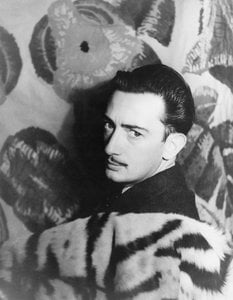
1904 - 1989 , Espagne

Discover the profound beauty of domestic scene art. Explore how masterworks of genre painting capture intimacy and history, offering timeless elegance for the discerning collector seeking to infuse their home with soul and sophistication.

Discover the profound allure of oil on canvas. Explore the mastery of impasto textures, the science of pigment longevity, and expert guides to selecting museum-quality reproductions that elevate your collection with timeless elegance and tactile depth.

 Aperçu en situation
 Envoyer
 Partager
 Détails de l'œuvre

 Télécharger
 Articles similaires
 Radiographie
 Diaporama

 Lire la suite







 L'option verre n'est disponible que pour les dimensions inférieures à 110 cm.