Premières années et contexte familial
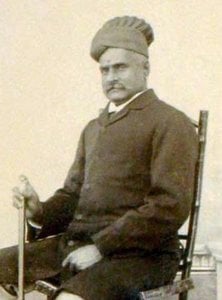
Raja Ravi Varma, un peintre indien célébré, est né le 29 avril 1848 à Kilimanoor, au Kerala, en Inde. Il était étroitement lié à la famille royale de Travancore et a plus tard adopté deux de ses petites-filles dans cette même famille royale.
Carrière artistique
La carrière artistique de Varma se caractérise par son mélange unique des techniques européennes avec une sensibilité purement indienne. Ses œuvres sont considérées comme parmi les meilleurs exemples de cette fusion, faisant de lui l'un des plus grands peintres de l'histoire de l'art indien. Employant les dernières techniques artistiques académiques européennes, Varma a continué la tradition et l'esthétique de l'art indien.
- Notamment pour avoir rendu ses peintures abordables grâce à des lithographies, ce qui a accru sa portée et son influence en tant que peintre et figure publique.
- Ses représentations des divinités hindoues et des épisodes des épopées et des Puranas ont reçu une acceptation profonde du public, souvent considérées comme des objets de culte à travers l'Inde.
Vie personnelle et liens royaux
Varma a épousé Bhageerthi Bayi, membre de la maison royale de Mavelikkara, en 1866. Cette connexion étroite avec la famille royale a conduit ses enfants à être considérés comme de la noblesse par naissance. Deux des filles de Varma ont ensuite été adoptées par la famille royale de Travancore, et leurs descendants constituent l'actuelle famille royale.
Influences et développement artistique
Varma a reçu son enseignement initial du peintre de la cour, Rama Swami Naidu, puis de Theodor Jenson, un peintre britannique venu à Travancore en 1868 sur invitation du maharajah. Jenson lui a enseigné la peinture à l'huile. Varma était fasciné par la puissance et l'expression de la peinture occidentale. Il a voyagé dans toute l'Inde à la recherche de sujets pour ses peintures, représentant souvent les déesses hindoues sous les traits de femmes du sud de l'Inde, correspondant à son idéal de beauté.
Œuvres majeures et héritage
L’héritage artistique de Varma est profond, son œuvre influençant l'art indien pendant plusieurs décennies. Son style unique, alliant des techniques européennes à une sensibilité indienne, en a fait un pionnier dans l'histoire de l'art indien.
Œuvres importantes :- Mahaprabha Amma, l’une des peintures les plus célèbres de Varma, mettant en scène sa fille.
- Uma Amma, nommée d'après la mère de Varma, présentant son mélange de techniques européennes et indiennes.
Signification historique
Varma est reconnu pour avoir popularisé l’art indien en le rendant accessible à un public plus large grâce aux lithographies abordables. Son travail a contribué à la renaissance artistique du Bengale au début du XXe siècle, bien que certains artistes aient critiqué son style « occidentalisant ». Il est décédé de diabète le 2 octobre 1906 dans le palais de Kilimanoor. Certaines de ses œuvres sont exposées à la Sree Chithra Art Gallery du musée Napier à Thiruvananthapuram. Un film, *Rang Rasiya*, sorti en 2008 et réalisé par Ketan Mehta, lui est dédié.



 Aperçu en situation
 Passer au format impression
 Envoyer
 Partager
 Détails de l'œuvre

 Télécharger
 Articles similaires
 Radiographie
 Diaporama
 Statistiques


 Lire la suite






































 L'option verre n'est disponible que pour les dimensions inférieures à 110 cm.