Oil On CanvasWallArtRomanticism
 180819th Century
 55.0 x 46.0 cm
Huile sur toile peinte à la main, avec cadre et dimensions personnalisés, réalisée sur commande par nos artistes. ( Commander l'impression Acheter l'image haute résolution)





























Choisissez parmi nos formats prédéfinis qui respectent les proportions originales de l’œuvre.

Vous pouvez saisir vos propres dimensions pour l'adapter à un cadre ou à un espace spécifique. Si la taille sélectionnée ne correspond pas aux proportions de l'image d'origine, nous recadrerons l'œuvre ou prolongerons la peinture avec des éléments peints à la main supplémentaires. Une maquette numérique vous sera envoyée pour approbation avant le début de la production.
Veuillez noter que l'aperçu à l'écran ne reflète pas le recadrage ou l'extension réels. Seule la maquette montrera fidèlement la composition finale.
Bien que des tailles personnalisées soient disponibles, nous vous recommandons de sélectionner une dimension dans la liste prédéfinie afin de préserver les proportions d'origine.
Livraison dans le monde entier () en 3 à 4 semaines au lieu des 5 semaines habituelles. (6 septembre). Aucun compromis sur la qualité.


David Jonston
Format de la reproduction
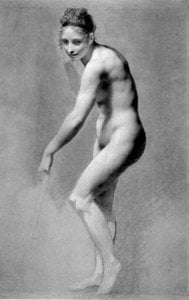
In the quiet depths of Pierre-Paul Prud'hon’s 1808 masterpiece, David Jonston, viewers are invited into a private moment of profound contemplation. This exquisite oil on canvas serves as a quintessential window into the heart of the Romantic era, capturing far more than a mere likeness of a young man. Through his masterful command of the medium, Prud'hon presents a subject whose gaze, directed slightly away from the viewer, suggests a soul lost in thought, perhaps reflecting on the fleeting nature of youth or the weight of personal destiny. The portrait is not simply a record of a face, but an exploration of the internal landscape, where a subtle, enigmatic smile dances on the lips, hinting at a hidden narrative known only to the sitter.
The technical brilliance of the work lies in Prud'hon’s sophisticated use of chiaroscuro, a technique that defines much of his celebrated legacy. By emerging from an indistinct, shadowy background, the figure of David Jonston gains a remarkable three-dimensionality, as if he were stepping forward from the darkness into the light of the viewer's presence. The soft, diffused lighting plays delicately across the subject’s fair skin and the intricate textures of his attire, creating a sense of palpable realism. This interplay of light and shadow does more than provide depth; it imbues the painting with a melancholic, dreamy atmosphere that is the hallmark of Prud'hon’s unique transition from Neoclassical precision to Romantic emotion.
Every detail within the frame contributes to the painting's aura of refined elegance. The subject is dressed in the formal fashion of the early 19th century, featuring a high-collared black coat that frames his face with stark, dignified contrast. Beneath this, the delicate ruffles of a white shirt add a touch of softness and aristocratic grace, showcasing the artist's ability to render varied textures—from the heavy weight of fine wool to the light, airy quality of linen. These sartorial elements do not merely ground the portrait in its historical moment; they serve as symbols of status and the structured social graces of the era, even as the subject's expression suggests a departure from such rigid formalities.
For the discerning collector or interior designer, David Jonston offers an unparalleled opportunity to introduce a sense of historical gravity and emotional depth into a space. As a high-quality reproduction, this piece brings the prestige of the French Romantic movement into the modern home, acting as a sophisticated focal point that sparks conversation and invites quiet reflection. Whether placed in a curated gallery wall or standing alone as a statement piece in a study, the painting’s ability to evoke nostalgia and timeless beauty makes it an enduring treasure for those who appreciate art that speaks to the complexities of the human spirit.

Pierre-Paul Prud’hon fut une figure essentielle de l'art français, marquant la transition du Néoclassicisme au Romantisme. Né à Cluny, dans la Saône-et-Loire, sa carrière artistique reflète l'évolution des paysages esthétiques de la fin du XVIIIe et du début du XIXe siècle en Europe. Il est célébré pour ses peintures allégoriques ainsi que pour ses portraits, démontrant une maîtrise du clair-obscur et du réalisme qui a captivé le public et influencé les générations suivantes.
Prud’hon exerça une influence considérable sur les générations futures d'artistes français. Sa maîtrise du clair-obscur, sa capacité à imprégner les portraits d'une profondeur psychologique et sa synthèse des styles néoclassiques et romantiques en firent une figure très respectée dans le monde de l'art. Des artistes tels que Théodore Géricault et Eugène Delacroix ont reconnu son impact, s’inspirant de ses compositions dramatiques et de son expressivité émotionnelle. Stendhal, Millet et Baudelaire reconnurent également le mérite artistique de Prud'hon, consolidant ainsi sa place dans l'histoire culturelle française.

1758 - 1823 , France

Explore the captivating world of Pierre-Paul Prud'hon, a pivotal French painter bridging Neoclassicism & Romanticism. Discover his allegorical masterpieces and lasting influence on 19th-century art history.
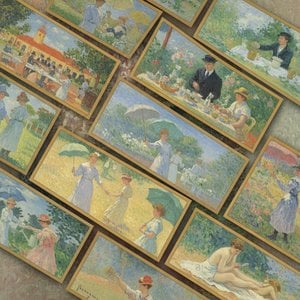
Plongez au cœur de l'univers vibrant de Pierre-Auguste Renoir ! Découvrez 25 chefs-d’œuvre emblématiques, explorant la lumière, les couleurs et la joie de vivre. Reproductions d'art de qualité musée sur WahooArt.com.

Plongez dans l'univers coloré de Paul Klee ! Découvrez les 25 œuvres maîtresses du peintre suisse, figures clés de l'art abstrait et du Bauhaus. Inspirez votre décoration intérieure avec WahooArt.com – reproductions de qualité muséale & collection exclusive.
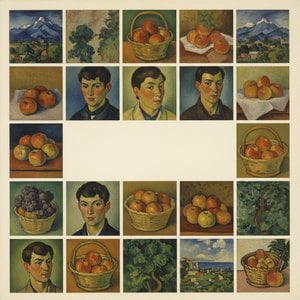
Plongez dans l'univers de Paul Cézanne avec les 25 œuvres incontournables du maître post-impressionniste. Découvrez l'histoire, la technique et l'émotion derrière ses tableaux iconiques comme 'Les Baigneuses' ou 'Mont Sainte-Victoire'. Reproductions d'art haute qualité sur WahooArt.com.

Explore 10 defining masterpieces of Romantic Realism! Discover Courbet, Millet & Daumier's powerful paintings—capturing emotion and social realities. Find museum-quality reproductions for your home at WahooArt.com.

 Aperçu en situation
 Envoyer
 Partager
 Détails de l'œuvre

 Télécharger
 Articles similaires
 Radiographie
 Diaporama
 Lire la suite







 L'option verre n'est disponible que pour les dimensions inférieures à 110 cm.