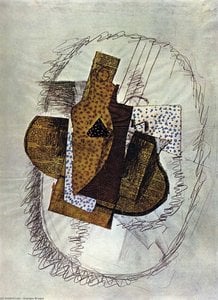
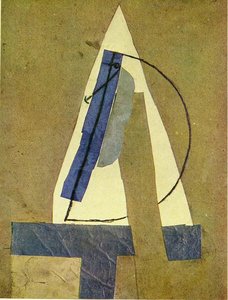
A Journey into the Dreamscape – Max Ernst’s “After My Sleeping”
Max Ernst’s “After My Sleeping,” painted in 1958, isn't merely a depiction of a beach at night; it’s an invitation to delve into the subconscious mind—a cornerstone of Surrealist philosophy and artistic practice. Created during Ernst’s prolific period following World War II, this artwork embodies the anxieties and aspirations of a generation grappling with trauma and yearning for liberation from oppressive ideologies.
Style and Technique: Embracing Chance and Imagination
Ernst’s signature style—characterized by meticulous detail juxtaposed with deliberate abstraction—is evident in “After My Sleeping.” He employed a technique known as “automatism,” a method championed by André Breton, the founder of Surrealism. This involved suppressing conscious thought and allowing subconscious impulses to guide the artist's hand onto the canvas. The resulting image is imbued with an unsettling beauty, reflecting the unpredictable nature of dreams.
Symbolism: Birds, Books, and the Silent Beach
The painting’s symbolism resonates deeply within Surrealist iconography. Two birds dominate the composition—one perched prominently on the left side, another soaring towards the right—representing freedom and aspiration, yet simultaneously hinting at vulnerability and fragility. Scattered books symbolize knowledge and contemplation, suggesting a quest for understanding amidst the chaos of the subconscious. The desolate beach itself embodies isolation and silence, mirroring the inner landscape of the dreamer.
Historical Context: Surrealism’s Response to War
Surrealism emerged in the wake of World War II as a reaction against rationalism and fascism. Artists sought to bypass logic and reason, tapping into primal instincts and irrational fantasies—a deliberate defiance of the dominant cultural forces of the time. Ernst's work reflects this spirit of rebellion, articulating the psychological scars inflicted by conflict while simultaneously celebrating the transformative power of imagination.
Emotional Impact: A Meditation on Anxiety and Wonder
"After My Sleeping" captivates viewers with its unsettling blend of serenity and apprehension. The muted palette—dominated by blues and browns—creates a mood of melancholic contemplation, mirroring the dreamer’s disorientation. Yet, amidst this darkness lies an undeniable sense of wonder—a recognition that even in moments of profound anxiety, beauty persists, reminding us of the boundless potential for creativity and self-discovery.



 Aperçu en situation
 Passer au format impression
 Partager
 Partager
 Détails
 Guide imprimable

 Télécharger
 Articles similaires
 Radiographie
 Voir le diaporama
 Statistiques

 Afficher la suite






































 L'option verre n'est disponible que pour les dimensions inférieures à 110 cm.