The Genesis of a Dramatic Scene
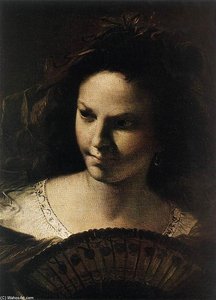
Mattia Preti's "Absalom’s Feast," completed in 1653, isn’t merely a painting; it’s a meticulously constructed tableau of betrayal and despair, born from the heart of the Italian Baroque. This monumental oil on canvas, measuring an impressive 202 x 297 cm and currently residing within the Museo Nazionale di Capodimonte in Naples, immediately commands attention with its dramatic composition and intensely emotive palette. Preti, a Calabrian Knight known as “Il Cavalier Calabrese,” masterfully synthesizes influences from Caravaggio’s stark realism, the vibrant colorism of Venetian masters like Titian and Veronese, and the dynamic energy of Emilian artists like Guercino and Lanfranco – creating a uniquely powerful visual narrative. The painting's origins lie in a commission for the Palazzo Doria-Pamphili in Rome, reflecting the prevailing trends of neo-Venetianism that were shaping artistic sensibilities at the time.
A Symphony of Darkness and Light
The scene unfolds within a lavishly rendered architectural setting – a grand hall overflowing with opulent details, hinting at the extravagance of King Baldassarre’s ill-fated banquet. Preti employs his signature technique of dramatic chiaroscuro, utilizing pools of deep shadow to heighten the sense of tension and mystery, while strategically placed splashes of red draw the eye to key elements: the fallen head of Absalom resting on a table, a sword held aloft by a figure caught in the act of betrayal, and the ominous inscription scrawled across the wall. This masterful manipulation of light isn’t simply decorative; it serves to amplify the emotional weight of the scene, conveying a sense of impending doom and irreversible tragedy. The brushwork itself is remarkably energetic, reflecting Preti's commitment to capturing movement and dynamism – a hallmark of Baroque art.
Symbolism Woven into the Narrative
Beyond its immediate visual impact, "Absalom’s Feast" is rich in symbolic meaning. The story depicted—the downfall of King Baldassarre due to his own hubris and the judgment of God—resonates with themes of power, corruption, and divine retribution. Absalom's posture – head resting on a table, suggesting defeat and vulnerability – speaks volumes about the consequences of transgression. The figures surrounding him are not merely observers; they represent the various facets of betrayal: shock, anger, complicity, and despair. Even the architectural details—the grand hall, the overflowing tables—contribute to the overall sense of excess and impending collapse. Preti’s ability to imbue a historical narrative with such potent symbolism elevates the painting beyond a simple depiction of an event; it becomes a meditation on human nature and the inescapable consequences of our actions.
A Legacy of Baroque Drama
Mattia Preti's "Absalom’s Feast" stands as a testament to his artistic genius and a prime example of the dramatic intensity that characterized the Italian Baroque. His work, particularly during his time in Malta, significantly influenced subsequent generations of artists. The painting’s enduring appeal lies not only in its technical brilliance but also in its ability to evoke a profound emotional response from viewers. Reproductions of this powerful masterpiece offer a captivating glimpse into a pivotal moment in art history—a scene brimming with intrigue, betrayal, and the inescapable weight of fate. Further research can be found at https://WahooArt.com and https://WahooArt.com, as well as on Wikipedia.



 Aperçu en situation
 Passer au format impression
 Envoyer
 Partager
 Détails de l'œuvre

 Télécharger
 Articles similaires
 Radiographie
 Diaporama
 Statistiques


 Lire la suite






































 L'option verre n'est disponible que pour les dimensions inférieures à 110 cm.