L'Héritage Lumineux de Marwan Kassab-Bachi
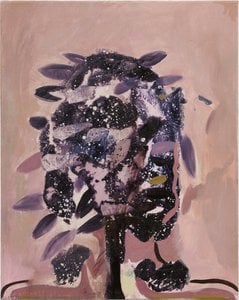
Marwan Kassab-Bachi (1934 – 2016) s'impose comme une figure singulière de l'art syrien contemporain, reconnu mondialement pour son approche distinctive de l'aquarelle. Né dans la ville historique de Damas durant les années transformatrices suivant la Seconde Guerre mondiale, le parcours artistique de Kassab-Bachi fut façonné par un lien profond avec ses racines levantines et une curiosité insatiable pour le monde. Ses premières études formelles à l'Université de Damas lui ont apporté une compréhension fondamentale de l'esthétique classique, mais c'est son installation ultérieure à Berlin, en Allemagne, qui allait catalyser son évolution vers la maîtrise de la lumière et de l'abstraction. À la Hochschule der bildenden Künste, il s'est immergé dans les rigoureuses traditions académiques de l'Europe occidentale, un mouvement qui lui a permis de jeter un pont entre les sensibilités orientales et le modernisme occidental.
L'essence de l'œuvre de Kassab-Bachi réside dans sa capacité époustouflante à évoquer l'émotion par la manipulation délicate de la couleur. Sa technique était loin d'être traditionnelle ; plutôt que de s'appuyer sur des mélanges contrôlés, il a adopté une méthode mouillé sur mouillé qui permettait aux pigments de diffuser et de danser spontanément sur le papier. Cette approche créait des lavis lumineux et éthérés qui semblaient capturer l'essence même de la mémoire et de la lumière fugitive. Son œuvre se caractérise par une superposition fascinante de textures, où des oranges vibrants, des jaunes profonds et des ocres doux interagissent pour créer profondeur et mouvement. À bien des égards, son style sert de passerelle entre les mondes, incorporant subtilement l'esthétique complexe et stratifiée rappelant les miniatures persanes dans le langage du portrait abstrait moderne.
Une Synthèse d'Identité et d'Émotion
Tout au long de sa carrière prolifique, qui a donné naissance à plus de 500 aquarelles majeures, Kassab-Bachi a exploré les complexités profondes de la condition humaine. Ses sujets — apparaissant souvent comme des visages fragmentés ou éthérés — ne sont pas de simples portraits, mais des explorations de l'identité, de la spiritualité et de la nature éphémère de l'existence. Dans ses œuvres plus sombres, telles que ses eaux-fortes monochromes, il a approfondi les thèmes de la mortalité et de la tristesse, utilisant des lignes nettes et détaillées pour évoquer un sentiment d'introspection poignante. À l'inverse, ses aquarelles abstraites célèbrent un aspect plus viscéral et énergique de la vie, où les frontières entre la forme et l'arrière-plan se dissolvent dans l'émotion pure.
Sa trajectoire professionnelle fut marquée par une reconnaissance académique et internationale significative, reflétant son statut d'intellectuel de premier plan dans le monde de l'art. Sa nomination en tant que professeur titulaire à l'Université Humboldt en 1980 fut un jalon qui a consolidé son influence sur les générations suivantes d'artistes. Au-delà des salles de classe, sa présence au sein de la communauté artistique mondiale lui a permis de tisser des liens profonds avec ses pairs intellectuels et créateurs, garantissant que sa perspective unique — mélange d'héritage syrien et de rigueur académique allemande — résonne bien au-delà des frontières de l'Europe ou du Moyen-Orient.
La portée historique de Marwan Kassab-Bachi réside dans sa capacité à transformer un médium traditionnellement délicat comme l'aquarelle en un puissant vecteur d'expression moderne. Son travail demeure le témoignage des piliers artistiques suivants :
- Synthèse Culturelle : L'intégration harmonieuse des traditions artistiques islamiques aux techniques abstraites occidentales.
- Maîtrise Technique : L'utilisation innovante de lavis spontanés, en technique mouillé sur mouillé, pour atteindre une luminosité inégalée.
- Profondeur Émotionnelle : Un dévouement de toute une vie à l'exploration des nuances de l'identité humaine et de la connexion spirituelle.
- Impact Mondial : Un héritage qui continue d'inspirer par sa présence dans les prestigieuses collections publiques du monde entier.



 Aperçu en situation
 Acheter la peinture faite à la main
 Partager
 Partager
 Détails
 Guide imprimable

 Télécharger
 Articles similaires
 Radiographie
 Voir le diaporama
 Statistiques


 Afficher la suite






































 L'option verre n'est disponible que pour les dimensions inférieures à 110 cm.


![Abstract Composition [triptych] — Vaclav Vytlacil, Abstract Expressionism](/media/artworks/images-thumb/08/3c/083c0675045645fd42d4e6c6d63f1ced.jpg)