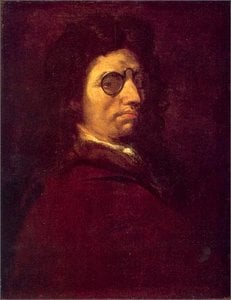
Un Maître Napolitain du Baroque : La Vie et l’Œuvre de Luca Giordano
Luca Giordano, né à Naples en 1634, fut bien plus qu'un simple peintre ; il incarna l'esprit exubérant du baroque tardif. Son talent débordant transforma aussi bien les toiles que les espaces architecturaux à travers l'Italie et l'Espagne. Formé initialement par son père, Antonio Giordano, c’est sous la direction rigoureuse mais magistrale de Jusepe de Ribera qu’il forgea véritablement son style distinctif. Cet apprentissage précoce laissa une empreinte indélébile, visible dans l'intensité dramatique et le réalisme des figures qui caractérisent ses premières œuvres. Cependant, contrairement à la palette souvent sombre de Ribera, Giordano possédait une inclination naturelle vers la luminosité et le mouvement – des qualités qui allaient définir son style unique. Dès cette époque, il gagna le surnom de « Luca fa presto » – Luca le rapide – témoignant de sa remarquable célérité et de son énergie apparemment illimitée. Il ne se contentait pas d'être habile ; il était capable de capturer une émotion profonde et un spectacle éblouissant avec une aisance qui stupéfiait ses contemporains.
De Naples à l’Espagne : Une Carrière en Mouvement Constant
Le parcours artistique de Giordano fut loin d'être statique. Il s'agissait d'une progression dynamique alimentée par des commandes et des voyages, le menant à travers la péninsule italienne et au-delà. Après s'être établi comme une étoile montante à Naples, il chercha des opportunités à Rome, Florence et Venise, absorbant les influences diverses de chaque ville comme une éponge. À Venise, il étudia les œuvres de Titien et Véronèse, adoptant leurs palettes de couleurs vibrantes et leurs compositions dynamiques – un contraste frappant avec le ténébrisme de sa formation initiale. Florence lui permit d'entreprendre des cycles de fresques significatifs, notamment dans la coupole de la chapelle Corsini à l’église del Carmine, démontrant sa maîtrise grandissante de l'illusion spatiale et de la narration visuelle. Mais c'est son séjour décennal en Espagne (1682-1692) qui consolida sa réputation internationale. Nommé peintre de cour de Charles II, Giordano transforma les intérieurs espagnols avec des fresques somptueuses, insufflant une dose nécessaire d’exubérance italienne à la tradition artistique espagnole plus sobre. La Biblioteca Riccardiana à Florence, ornée de fresques allégoriques célébrant la sagesse divine, témoigne de cette période, illustrant sa capacité à fusionner profondeur intellectuelle et splendeur visuelle.
Une Synthèse de Styles : La Signature Artistique de Giordano
Le génie de Giordano ne résidait pas dans l'invention de techniques entièrement nouvelles, mais dans la synthèse d’éléments existants en un style remarquablement fluide et décoratif. Il combinaîtra magistralement le réalisme dramatique hérité de Ribera, le colorisme lumineux inspiré des peintres vénitiens et les compositions dynamiques rappelant Pietro da Cortona. Son pinceau se caractérisait par sa liberté et sa spontanéité, créant une impression d'effortlessness. Il n’hésitait pas à embrasser l'ornementation, remplissant ses toiles de détails complexes et de draperies tourbillonnantes – une marque distinctive de son style mature. Cette approche lui permit d'aborder un large éventail de sujets – des scènes religieuses et des récits mythologiques aux portraits et aux décors – avec une égale aisance.
Le Jugement de Pâris, conservé au musée de Berlin, en est un exemple éloquent ; c’est une démonstration éclatante de la mythologie classique rendue avec une touche résolument baroque. Ses fresques, notamment celles que l'on trouve dans la cathédrale de Naples et divers palais napolitains, sont des réalisations monumentales, transformant les espaces architecturaux en expériences visuelles immersives qui enveloppaient le spectateur dans un monde de couleur et de drame.
Héritage et Influence : L’Impact Durable d’un Maître
L'influence de Luca Giordano s'étendit bien au-delà de sa propre vie. Il forma de nombreux élèves, dont Paolo de Matteis, qui devinrent des artistes à succès à leur tour, propageant ses innovations stylistiques dans toute l'Italie et au-delà. Son œuvre servit de pont entre le haut baroque et la période rococo, ouvrant la voie à l’esthétique plus légère et plus enjouée qui allait caractériser l'art du XVIIIe siècle.
Sa production prolifique – estimée à plus de six cents peintures et de nombreux cycles de fresques – continue de captiver les publics aujourd'hui. Le Palais de Capodimonte à Naples demeure un trésor de ses œuvres, offrant un aperçu complet de son évolution artistique. La capacité de Giordano à fusionner harmonieusement virtuosité technique et profondeur émotionnelle lui assure une place parmi les figures les plus importantes et les plus appréciées du baroque italien. Il mourut dans sa ville natale de Naples en 1705, laissant derrière lui un héritage qui continue d'inspirer les artistes et les amateurs d'art.
Œuvres Clés & Connexions Artistiques
- Le Jugement de Pâris (Musée de Berlin) : Un exemple parfait des peintures mythologiques de Giordano, mettant en valeur sa palette de couleurs vibrantes et sa composition dynamique.
- Christ avec les docteurs dans le Temple (Galerie Corsini, Rome) : Démontre son talent pour la narration religieuse et sa maîtrise de la lumière et de l'ombre.
- Fresques à Florence & Naples : Des œuvres monumentales qui ont transformé les espaces architecturaux en expériences visuelles immersives.
- Influences : Jusepe de Ribera, Titien, Véronèse, Pietro da Cortona
- Artistes influencés : Paolo de Matteis et une génération de peintres napolitains.



 Aperçu en situation
 Passer au format impression
 Partager
 Partager
 Détails

 Télécharger
 Articles similaires
 Radiographie
 Voir le diaporama
 Statistiques


 Afficher la suite






































 L'option verre n'est disponible que pour les dimensions inférieures à 110 cm.