


 Oil On CanvasWallArtNeo-Classicism
 177319th Century
 102.0 x 127.0 cm
 Musée des Beaux-Arts (Boston)
Impressions giclées ou sur toile de qualité musée, avec une production rapide et des finitions au choix. ( Commander la reproduction peinte à la main Acheter l'image haute résolution)





























Choisissez parmi nos formats prédéfinis qui respectent les proportions originales de l’œuvre.

Vous pouvez saisir vos propres dimensions pour vous adapter à un cadre ou à un espace spécifique. Si la taille sélectionnée ne correspond pas aux proportions de l'image originale, nous recadrerons l'œuvre ou étendrons l'image avec une bordure en miroir ou une couleur unie. Une maquette numérique vous sera envoyée pour approbation avant le début de la production.
Veuillez noter que l'aperçu à l'écran ne reflète pas le recadrage ou l'extension réelle. Seule la maquette montrera avec précision la composition finale.
Bien que des tailles personnalisées soient disponibles, nous vous recommandons de choisir une dimension dans la liste prédéfinie afin de préserver les proportions originales.
Livraison dans le monde entier () en 2 semaines au lieu des 4/5 semaines habituelles. (6 septembre)


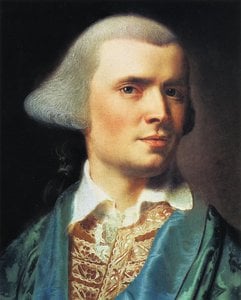
Reverend Thomas Cary
Format de la reproduction
John Singleton Copley’s “Reverend Thomas Cary,” painted in 1773, is more than just a portrait; it's a meticulously crafted window into the intellectual and artistic currents of the American colonies. This remarkable work, now residing within the hallowed halls of the Museum of Fine Arts in Boston, exemplifies Copley’s mastery of Neo-Classicism – a style that sought to elevate art through order, clarity, and an idealized representation of human virtue. The painting immediately draws the eye to its subject: Reverend Cary himself, presented with a dignified composure that speaks volumes about the era's emphasis on moral leadership and civic responsibility.
Created during a pivotal moment in American history – the Age of Enlightenment – “Reverend Thomas Cary” reflects the profound influence of ancient Greek and Roman art. Copley, deeply immersed in this movement, skillfully employs classical principles of composition and perspective to create a sense of monumental grandeur. The Reverend’s seated pose, reminiscent of depictions of Roman senators, reinforces his authority and intellectual standing. Furthermore, the backdrop – a meticulously arranged bookshelf brimming with volumes – isn't merely decorative; it symbolizes Cary’s erudition and commitment to learning, aligning perfectly with the Enlightenment’s core values of reason and knowledge.
Beyond its formal qualities, “Reverend Thomas Cary” is rich in symbolic meaning. The Reverend's clasped hands suggest piety and devotion, while the bookshelf represents a repository of wisdom and knowledge. Even the clock hanging above him subtly alludes to the passage of time – a constant reminder of mortality and the importance of living a virtuous life. Copley masterfully evokes a sense of quiet contemplation and dignified seriousness, inviting viewers to reflect on themes of faith, intellect, and civic duty.
Experience the timeless beauty and intellectual depth of “Reverend Thomas Cary” with a meticulously crafted oil painting reproduction. Available through WahooArt.com, these reproductions capture every nuance of Copley’s original work, allowing you to bring this iconic portrait into your home or office. A testament to American artistic heritage, this piece is an investment in beauty and history.

1738 - 1815 , Royaume-Uni

Discover the profound beauty of Academic Classicism. Explore the principles of order, anatomical precision, and the enduring legacy of Neoclassical masters through this expert guide to timeless elegance and technical perfection in fine art.

 Aperçu en situation
 Envoyer
 Partager
 Détails de l'œuvre

 Télécharger
 Articles similaires
 Radiographie
 Diaporama
 Lire la suite







 L'option verre n'est disponible que pour les dimensions inférieures à 110 cm.


