Aperçu en situation Aperçu en RA Passer au format impression Passer au format image numérique Partager
Détails Guide imprimable Ajouter aux favoris Télécharger Articles similaires Radiographie Voir le diaporama Statistiques

Pine Forest

John Singer Sargent's watercolor 'Pine Forest' captures a lush, vibrant forest scene with scattered rocks and serene atmosphere, reflecting the artist’s mastery of light and color during the Gilded Age. Discover this beautiful landscape reproduction and bring nature's tranquility into your home.

Explorez les chefs-d'œuvre de John Singer Sargent ! Impressionniste américain connu pour ses portraits comme 'Madame X', ses paysages et sa capacité à capturer l'élégance de la Belle Époque. Découvrez son art dès aujourd'hui !

Reproduction à l'huile faite à la main

Huile sur toile peinte à la main, avec cadre et dimensions personnalisés, réalisée sur commande par nos artistes. ( Passer au format impression Passer au format image numérique)

Corner sample of the P118B picture frame: polystyrène moulé, 5 cm wide and 3 cm thick
P118B 10
Corner sample of the P118H picture frame: polystyrène moulé, 5 cm wide and 3 cm thick
P118H 10
Corner sample of the P118W picture frame: polystyrène moulé, 5 cm wide and 3 cm thick
P118W 10
Corner sample of the P438Z picture frame: polystyrène moulé, 5.5 cm wide and 3.5 cm thick
P438Z 10
Corner sample of the P508JH picture frame: polystyrène moulé, 7 cm wide and 3.5 cm thick
P508JH 12
Corner sample of the P508YH picture frame: polystyrène moulé, 7 cm wide and 3.5 cm thick
P508YH 12
Corner sample of the P805H picture frame: polystyrène moulé, 5 cm wide and 3.5 cm thick
P805H 10
Corner sample of the P805Z picture frame: polystyrène moulé, 5 cm wide and 3.5 cm thick
P805Z 10
Corner sample of the P919BZ picture frame: polystyrène moulé, 7 cm wide and 3.5 cm thick
P919BZ 10
Corner sample of the P919G picture frame: polystyrène moulé, 7 cm wide and 3.5 cm thick
P919G 10
Corner sample of the P919XJ picture frame: polystyrène moulé, 7 cm wide and 3.5 cm thick
P919XJ 10
Corner sample of the P959ZH picture frame: polystyrène moulé, 5 cm wide and 3 cm thick
P959ZH 10
Corner sample of the P968JZ picture frame: polystyrène moulé, 6 cm wide and 4 cm thick
P968JZ 12
Corner sample of the W106C picture frame: bois massif, 5 cm wide and 3 cm thick
W106C 8
Corner sample of the W218G picture frame: bois massif, 5 cm wide and 3 cm thick
W218G 10
Corner sample of the W218JH picture frame: bois massif, 5 cm wide and 3 cm thick
W218JH 8
Corner sample of the W218Y picture frame: bois massif, 5 cm wide and 3 cm thick
W218Y 10
Corner sample of the W307PJ picture frame: bois massif, 6 cm wide and 3 cm thick
W307PJ 10
Corner sample of the W316G picture frame: bois massif, 6 cm wide and 3 cm thick
W316G 10
Corner sample of the W316PJ picture frame: bois massif, 6 cm wide and 3 cm thick
W316PJ 8
Corner sample of the W316Y picture frame: bois massif, 6 cm wide and 3 cm thick
W316Y 10
Corner sample of the W398PJ picture frame: bois massif, 5 cm wide and 3 cm thick
W398PJ 8
Corner sample of the W4111J picture frame: bois massif, 6.5 cm wide and 3.5 cm thick
W4111J 10
Corner sample of the W500HY picture frame: bois massif, 7 cm wide and 5 cm thick
W500HY 15
Corner sample of the W500JH picture frame: bois massif, 7 cm wide and 5 cm thick
W500JH 15
Corner sample of the W692G picture frame: bois massif, 8 cm wide and 4 cm thick
W692G 12
Corner sample of the W849H picture frame: bois massif, 5 cm wide and 3 cm thick
W849H 8
Corner sample of the W940BG picture frame: bois massif, 7.5 cm wide and 4.5 cm thick
W940BG 15
Corner sample of the W953PJ picture frame: bois massif, 6 cm wide and 3.5 cm thick
W953PJ 8

Format standard
personnalisé
CM
INCH

Choisissez parmi nos formats prédéfinis qui respectent les proportions originales de l’œuvre.

largeur
hauteur

Saisissez la largeur et la hauteur souhaitées, pour s'adapter à votre cadre ou à votre mur. Cette œuvre est peinte à la main ; ainsi, pour un format de forme différente, l'artiste peut peindre un peu plus autour du tableau ou réduire légèrement les bords — c'est vous qui choisissez. Nous vous envoyons une maquette numérique pour approbation avant que la peinture ne commence. L'image présentée sur cette page ne reflète pas le résultat réel — seule la maquette le fait.

Exemples de personnalisation possibles : remplacer un visage par la photo du client ; ajouter un animal de compagnie (par exemple, remplacer un chat par un chien) ; inclure un message caché en arrière-plan ; modifier le paysage ou les éléments de l'arrière-plan.
Après la commande, l’équipe WahooArt.com contactera le client par e-mail pour recueillir ses instructions et lui fournira une maquette d’aperçu

Livraison dans le monde entier () en 3 à 4 semaines au lieu des 5 semaines habituelles. (16 octobre). Aucun compromis sur la qualité.

Livraison express gratuite dans le monde entier
Toile de lin de haute qualité
Assurance transport complète
Garantie de remboursement des droits de douane
Garantie de fidélité des couleurs
Garantie de retour de 100 jours (uniquement en cas de défaut)
Garantie de remboursement à 100%
Tarifs dégressifs sur quantité

Prix total

€ 237

Pine Forest

Technique de reproduction

Format de la reproduction

-

Prix total final

€ 237

L'essentiel de l'œuvre

  • Medium: Watercolor
  • Title: Pine Forest
  • Artist: John Singer Sargent
  • Year: 1907
  • Notable elements: Lush forest, rocks

A Verdant Reverie: John Singer Sargent’s “Pine Forest”

John Singer Sargent's "Pine Forest," painted in 1907, is more than just a depiction of a woodland scene; it’s an immersion into the artist’s deeply felt connection with nature and his masterful command of watercolor. This evocative piece captures a moment of serene tranquility within a dense pine forest, transporting the viewer to a place of quiet contemplation. Sargent's ability to render light and texture is particularly striking here – the vibrant green foliage seems to shimmer with reflected sunlight, while the rough-hewn rocks ground the composition in a tangible reality.

  • Subject Matter: The painting focuses on a classic landscape subject—a pine forest—but Sargent elevates it through his sensitive observation and artistic interpretation.
  • Style: Characteristic of Sargent’s mature style, “Pine Forest” exemplifies his Impressionistic tendencies, prioritizing the fleeting effects of light and atmosphere over precise detail.

Technique and Materials – A Dance with Watercolor

Sargent was a pioneer in the use of watercolor, pushing its boundaries to achieve remarkable depth and luminosity. In “Pine Forest,” he employs a broken color technique—applying small, separate strokes of pigment that blend optically when viewed from a distance—to create a sense of shimmering light and atmospheric perspective. The layering of washes builds up subtle tonal variations, adding richness and complexity to the scene. Notice how he uses delicate gradations in green to suggest the varying textures of the pine needles and leaves, and how the darker tones of the rocks provide a strong contrast that anchors the composition.

  • Watercolor Medium: Sargent’s expertise with watercolor is evident in the painting's luminous quality.
  • Broken Color Technique: This technique creates depth and vibrancy within the scene.

Historical Context – The Gilded Age and a Romantic Vision

"Pine Forest" was created during a period of immense social and artistic change in America—the Gilded Age. While Sargent’s fame rested largely on his portraiture, he also explored landscapes, often imbued with a romantic sensibility that reflected the era's fascination with nature and escape from urban life. Born in Florence to American expatriate parents, Sargent’s upbringing fostered a unique perspective, blending European artistic traditions with an inherent appreciation for the natural world. This painting speaks to a desire for beauty and tranquility—a yearning often associated with the wealthy elite of the time who sought refuge in picturesque landscapes.

  • Gilded Age Influence: The painting reflects the era's fascination with nature and escape.
  • Sargent’s Background: His upbringing shaped his artistic vision, blending European traditions with a love for the natural world.

Symbolism and Emotional Impact – A Moment of Peace

Beyond its technical brilliance, “Pine Forest” possesses a profound emotional resonance. The composition—with the rocks strategically placed to create visual interest and depth—invites the viewer to step into the scene and experience a sense of quiet contemplation. The lush greenery evokes feelings of renewal and vitality, while the stillness of the forest suggests a refuge from the anxieties of modern life. It’s a painting that speaks to our innate desire for connection with nature and the restorative power of solitude. This piece offers a glimpse into Sargent's ability to capture not just what he saw, but also how he *felt* about it – a testament to his enduring artistic legacy.

Questions et réponses

Quelle palette de couleurs est utilisée dans «Pine Forest» de John Singer Sargent ?

«Pine Forest» de John Singer Sargent utilise une palette de couleurs Dark. Cette palette résume le caractère chromatique global de l'œuvre.

Quelle harmonie de couleurs «Pine Forest» de John Singer Sargent présente-t-il ?

L'harmonie colorée de « Pine Forest » est décrite comme étant Strong Color Unity.

Quand et avec quels matériaux Pine Forest a-t-il été réalisé ?

« Pine Forest » a été créé en 1907 avec la technique du Watercolor. Le matériau et la date décrivent comment et quand l'original a été réalisé.


Biographie de l'artiste

John Singer Sargent : Une Vie d'Art

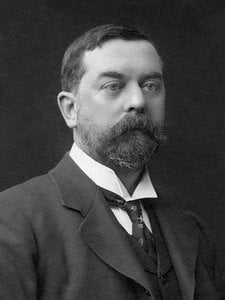
John Singer Sargent (1856-1925) était un artiste expatrié américain considéré comme le « principal peintre de portraits de sa génération », pour la haute société de l’époque édouardienne. Son œuvre emploie un mélange unique de brillance technique, d'influences impressionnistes et de perspicacité psychologique.

Jeunesse et Formation

Né le 12 janvier 1856 à Florence, en Italie, auprès de parents américains Fitzwilliam et Mary Newbold Sargent, John Singer Sargent a connu une enfance itinérante. Ses parents étaient des expatriés qui se déplaçaient fréquemment entre la France, l'Allemagne, l'Italie et la Suisse. Ce mode de vie a favorisé une large conscience culturelle, mais a également entraîné une éducation moins conventionnelle. Au lieu d’une scolarité formelle, l’éducation de jeune Sargent était axée sur la visite de musées et d’églises dans toute l'Europe.

En 1874, Sargent a commencé à étudier avec le peintre portraitiste français Carolus-Duran à Paris. Cette mentorat s’est avéré décisif. Duran mettait l’accent sur la peinture directe – une technique d’application de la peinture sans croquis préliminaires – qui a affûté la remarquable compétence technique de Sargent et sa capacité à capturer les portraits avec une précision et une rapidité étonnantes.

Carrière Artistique et Style

La production artistique de Sargent peut être divisée en deux catégories : portraits commandés et études informelles. Ses portraits formels, souvent représentant les personnalités riches et influentes de son temps, adhéraient à la tradition du « grand style » – soulignant l’élégance, le statut et la profondeur psychologique.

Cependant, Sargent a également poursuivi un style plus personnel dans ses paysages et ses études en plein air. Ces œuvres témoignent d’une affinité claire avec l’impressionnisme, caractérisée par une touche de pinceau lâche, des palettes de couleurs vives et une emphase sur la capture d’instants fugaces de lumière et d’atmosphère.

Œuvres Majeures et Réalisations

  • Madame X (1884) : Peut-être l'œuvre la plus célèbre de Sargent, ce portrait a suscité le scandale pour sa représentation audacieuse de la socialite Virginie Amélie Avegno Gautreau.
  • El Jaleo (1882) : Une scène dynamique et colorée capturant une danse flamenco espagnole, mettant en valeur la maîtrise du mouvement et de la lumière de Sargent.
  • Carnation, Lily, Lily, Rose (1886) : Un tableau serein et évocateur représentant deux jeunes filles allumant des lanternes dans un jardin anglais.
  • Une table à manger le soir (1882-83) : Une composition innovante capturant l’atmosphère intime d’une réception en utilisant la lumière artificielle.

Influences

Sargent a été influencé par un ensemble diversifié d'artistes et de mouvements :

  • Carolus-Duran : Son professeur, qui lui a inculqué une technique de peinture directe.
  • Diego Velázquez : Sargent admirait l’utilisation magistrale de la lumière et de la touche de pinceau de Velázquez.
  • L'impressionnisme : L’emphase des impressionnistes sur la capture d’instants fugaces et d’effets atmosphériques a profondément influencé ses peintures de paysages.

Signification Historique et Héritage

Initialement, Sargent a été critiqué pour son approche non conventionnelle du portrait et sa volonté de défier les normes artistiques traditionnelles. Cependant, au début du 20e siècle, il s’était établi comme l'un des artistes de son temps.

Dans les années 1980, une réévaluation importante de l’œuvre de Sargent a eu lieu, en particulier ses nus masculins auparavant négligés. Cette redécouverte a révélé un artiste plus complexe et nuancé qu'on ne le pensait auparavant. Aujourd’hui, John Singer Sargent est célébré pour sa virtuosité technique, sa capacité à saisir l’esprit de son époque et sa contribution durable à l’art américain.

Ses peintures offrent une fenêtre fascinante sur le luxe et les dynamiques sociales de l’époque édouardienne, tout en reflétant sa propre vision artistique personnelle. Son œuvre continue d'inspirer les artistes et de captiver les publics du monde entier.

John Singer Sargent

John Singer Sargent

1856 - 1925 , Italie

En bref

  • Artistes Influents:
    • Carolus-Duran
    • Diego Velázquez
  • Date De Décès: 1925
  • Date De Naissance: 12 janvier 1856
  • Lieu De Naissance: Florence, Italie
  • Mouvement Artistique: Impressionnisme
  • Nationalité: Américaine
  • Nom Complet: John Singer Sargent
  • Oeuvres Notables:
    • Madame X
    • El Jaleo
    • Carnation, Lily, Lily, Rose
    • Une table à dîner le soir
Explorez des œuvres d'art classées par thèmes, styles et caractéristiques.