Acrylic On CanvasWallArtTrompe-l'oeil
 1887
1887 41.0 x 31.0 cm
 Metropolitan Museum of Art
Huile sur toile peinte à la main, avec cadre et dimensions personnalisés, réalisée sur commande par nos artistes. ( Commander l'impression Acheter l'image haute résolution)





























Choisissez parmi nos formats prédéfinis qui respectent les proportions originales de l’œuvre.

Vous pouvez saisir vos propres dimensions pour l'adapter à un cadre ou à un espace spécifique. Si la taille sélectionnée ne correspond pas aux proportions de l'image d'origine, nous recadrerons l'œuvre ou prolongerons la peinture avec des éléments peints à la main supplémentaires. Une maquette numérique vous sera envoyée pour approbation avant le début de la production.
Veuillez noter que l'aperçu à l'écran ne reflète pas le recadrage ou l'extension réels. Seule la maquette montrera fidèlement la composition finale.
Bien que des tailles personnalisées soient disponibles, nous vous recommandons de sélectionner une dimension dans la liste prédéfinie afin de préserver les proportions d'origine.
Livraison dans le monde entier () en 3 à 4 semaines au lieu des 5 semaines habituelles. (7 septembre). Aucun compromis sur la qualité.


The Old Cremona
Format de la reproduction
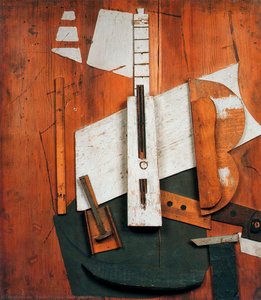
John Frederick Peto’s “The Old Cremona” stands as a testament to the enduring fascination with illusionistic painting and the influence of contemporary artistic trends. Painted in 1887, this seemingly simple still life—a cello resting against a weathered wooden door—holds within it layers of artistic deliberation and subtle stylistic nuances that elevate it beyond mere representation.
Peto's decision to adapt Harnett’s compositional framework wasn’t merely an act of stylistic homage; it was a conscious effort to forge his own artistic voice. By prioritizing textural surface and decorative qualities over precise anatomical detail—a hallmark of Harnett’s oeuvre—Peto achieved a markedly different aesthetic experience. This divergence underscores the importance of considering artistic influences while recognizing individual creative expression.
The painting's color palette is dominated by earthy browns and reds, punctuated by flashes of gold and cream – hues that evoke warmth and richness. These colors are skillfully blended to create a harmonious visual tapestry, prioritizing decorative impact over photographic accuracy. The artist’s focus on surface texture—the grain of the wood, the sheen of the cello varnish—further reinforces this aesthetic sensibility.
"The Old Cremona" transcends its subject matter to convey a profound sense of solitude and quiet contemplation. It speaks to an appreciation for craftsmanship and invites viewers to engage in introspection – qualities that resonate deeply with the spirit of Victorian art. Peto’s rediscovery as a masterful trompe l'oeil artist represents a significant contribution to American painting history, securing his place among the foremost practitioners of illusionistic technique.

John Frederick Peto était un artiste américain renommé pour sa maîtrise de la technique du *trompe-l'œil* – une technique qui vise à tromper l'œil du spectateur en lui faisant croire que des objets peints sont réels. Pendant de nombreuses années, l’œuvre de Peto est restée largement oubliée jusqu’à sa redécouverte à la fin du XXe siècle, aux côtés de celle de son collègue artiste du trompe-l'œil William Harnett. Ses peintures offrent un aperçu unique de la vie quotidienne et de la culture matérielle de la fin du XIXe siècle.
Pour plus d'informations sur la vie et l’œuvre de John Frederick Peto, veuillez consulter WahooArt.com.

1854 - 1907 , États-Unis d'Amérique

Explore the profound beauty of American Regionalism. Delve into the art history of Grant Wood and John Steuart Curry, uncovering how these masters captured the soul of the American Heartland through iconic landscapes and rural identity.

Explore the profound beauty of American art history. From the Hudson River School to iconic landscapes, discover a curated journey through the masterpieces that defined a nation's spirit and the enduring legacy of American Romanticism.

 Aperçu en situation
 Envoyer
 Partager
 Détails de l'œuvre

 Télécharger
 Articles similaires
 Radiographie
 Diaporama
 Lire la suite







 L'option verre n'est disponible que pour les dimensions inférieures à 110 cm.