Aperçu en situation Aperçu en RA Passer au format impression Passer au format image numérique Partager
Détails Guide imprimable Ajouter aux favoris Télécharger Articles similaires Radiographie Voir le diaporama Statistiques

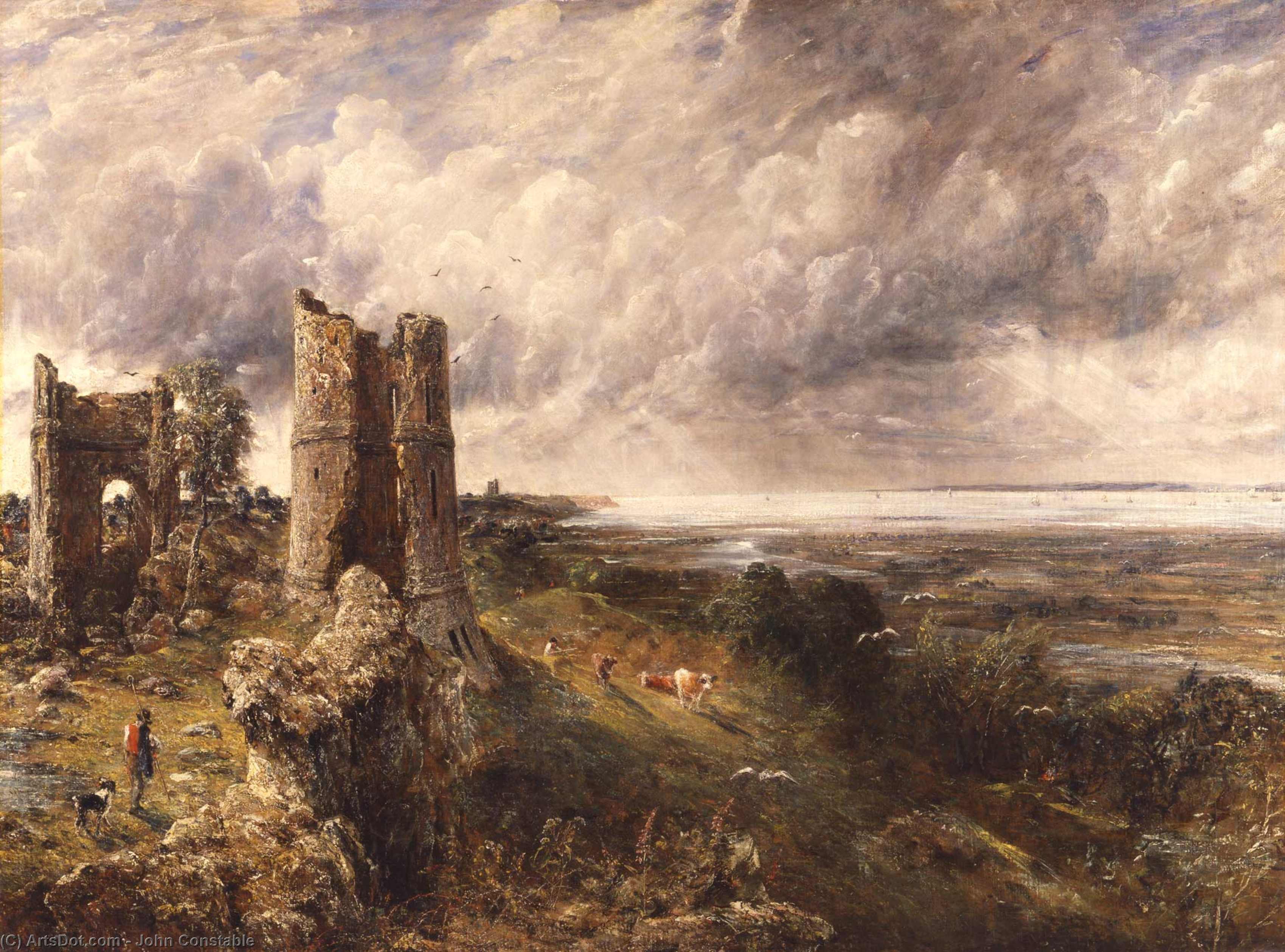
Hadleigh Castle

Experience John Constable’s ‘Hadleigh Castle’! A Romantic masterpiece capturing the sublime beauty of England's landscape & architecture. Oil on canvas, 1829. #Constable #RomanticArt #LandscapePainting

Découvrez John Constable (1776-1837), un peintre de paysages britannique renommé pour sa profondeur émotionnelle et sa beauté naturelle. Influencé par la École de Barbizon, il a pionnier le Romantisme avec des œuvres emblématiques telles que 'Netley Abbey'. Explorez son héritage chez WahooArt!

Reproduction à l'huile faite à la main

Huile sur toile peinte à la main, avec cadre et dimensions personnalisés, réalisée sur commande par nos artistes. ( Passer au format impression Passer au format image numérique)

Corner sample of the P118B picture frame: moulded polystyrene, 5 cm wide and 3 cm thick
P118B 10
Corner sample of the P118H picture frame: moulded polystyrene, 5 cm wide and 3 cm thick
P118H 10
Corner sample of the P118W picture frame: moulded polystyrene, 5 cm wide and 3 cm thick
P118W 10
Corner sample of the P438Z picture frame: moulded polystyrene, 5.5 cm wide and 3.5 cm thick
P438Z 10
Corner sample of the P508JH picture frame: moulded polystyrene, 7 cm wide and 3.5 cm thick
P508JH 12
Corner sample of the P508YH picture frame: moulded polystyrene, 7 cm wide and 3.5 cm thick
P508YH 12
Corner sample of the P805H picture frame: moulded polystyrene, 5 cm wide and 3.5 cm thick
P805H 10
Corner sample of the P805Z picture frame: moulded polystyrene, 5 cm wide and 3.5 cm thick
P805Z 10
Corner sample of the P919BZ picture frame: moulded polystyrene, 7 cm wide and 3.5 cm thick
P919BZ 10
Corner sample of the P919G picture frame: moulded polystyrene, 7 cm wide and 3.5 cm thick
P919G 10
Corner sample of the P919XJ picture frame: moulded polystyrene, 7 cm wide and 3.5 cm thick
P919XJ 10
Corner sample of the P959ZH picture frame: moulded polystyrene, 5 cm wide and 3 cm thick
P959ZH 10
Corner sample of the P968JZ picture frame: moulded polystyrene, 6 cm wide and 4 cm thick
P968JZ 12
Corner sample of the W106C picture frame: solid wood, 5 cm wide and 3 cm thick
W106C 8
Corner sample of the W218G picture frame: solid wood, 5 cm wide and 3 cm thick
W218G 10
Corner sample of the W218JH picture frame: solid wood, 5 cm wide and 3 cm thick
W218JH 8
Corner sample of the W218Y picture frame: solid wood, 5 cm wide and 3 cm thick
W218Y 10
Corner sample of the W307PJ picture frame: solid wood, 6 cm wide and 3 cm thick
W307PJ 10
Corner sample of the W316G picture frame: solid wood, 6 cm wide and 3 cm thick
W316G 10
Corner sample of the W316PJ picture frame: solid wood, 6 cm wide and 3 cm thick
W316PJ 8
Corner sample of the W316Y picture frame: solid wood, 6 cm wide and 3 cm thick
W316Y 10
Corner sample of the W398PJ picture frame: solid wood, 5 cm wide and 3 cm thick
W398PJ 8
Corner sample of the W4111J picture frame: solid wood, 6.5 cm wide and 3.5 cm thick
W4111J 10
Corner sample of the W500HY picture frame: solid wood, 7 cm wide and 5 cm thick
W500HY 15
Corner sample of the W500JH picture frame: solid wood, 7 cm wide and 5 cm thick
W500JH 15
Corner sample of the W692G picture frame: solid wood, 8 cm wide and 4 cm thick
W692G 12
Corner sample of the W849H picture frame: solid wood, 5 cm wide and 3 cm thick
W849H 8
Corner sample of the W940BG picture frame: solid wood, 7.5 cm wide and 4.5 cm thick
W940BG 15
Corner sample of the W953PJ picture frame: solid wood, 6 cm wide and 3.5 cm thick
W953PJ 8

Format standard
personnalisé
CM
INCH

Choisissez parmi nos formats prédéfinis qui respectent les proportions originales de l’œuvre.

largeur
hauteur

Vous pouvez saisir vos propres dimensions pour l'adapter à un cadre ou à un espace spécifique. Si la taille sélectionnée ne correspond pas aux proportions de l'image d'origine, nous recadrerons l'œuvre ou prolongerons la peinture avec des éléments peints à la main supplémentaires. Une maquette numérique vous sera envoyée pour approbation avant le début de la production.
Veuillez noter que l'aperçu à l'écran ne reflète pas le recadrage ou l'extension réels. Seule la maquette montrera fidèlement la composition finale.
Bien que des tailles personnalisées soient disponibles, nous vous recommandons de sélectionner une dimension dans la liste prédéfinie afin de préserver les proportions d'origine.

Exemples de personnalisation possibles : remplacer un visage par la photo du client ; ajouter un animal de compagnie (par exemple, remplacer un chat par un chien) ; inclure un message caché en arrière-plan ; modifier le paysage ou les éléments de l'arrière-plan.
Après la commande, l’équipe WahooArt.com contactera le client par e-mail pour recueillir ses instructions et lui fournira une maquette d’aperçu

Livraison dans le monde entier () en 3 à 4 semaines au lieu des 5 semaines habituelles. (10 octobre). Aucun compromis sur la qualité.

Livraison express gratuite dans le monde entier

Toile de lin de haute qualité
Assurance transport complète
Garantie de remboursement des droits de douane
Garantie de fidélité des couleurs
Garantie de retour de 100 jours (uniquement en cas de défaut)
Garantie de remboursement à 100%
Tarifs dégressifs sur quantité

Prix total

€ 234

Hadleigh Castle

Technique de reproduction

Format de la reproduction

-

Prix total final

€ 234

L'essentiel de l'œuvre

  • Location: Yale Center for British Art
  • Notable elements or techniques: Dreamy atmosphere, Light effects
  • Subject or theme: Landscape Painting
  • Artist: John Constable
  • Medium: Oil on Canvas
  • Title: Hadleigh Castle
  • Year: 1829

Quiz d'art

Chaque question ne comporte qu'une seule bonne réponse.

Question 1:
What artistic movement is John Constable’s Hadleigh Castle primarily associated with?
Question 2:
The painting depicts Hadleigh Castle overlooking what prominent feature?
Question 3:
What is a key characteristic of Constable’s artistic style that reflects his influence from the Hudson River School?
Question 4:
How does Constable’s approach to landscape painting contribute to the overall mood conveyed by Hadleigh Castle?
Question 5:
What role do the figures of people and dogs in Hadleigh Castle play within the composition?

Hadleigh Castle: A Symphony of Light and Landscape

John Constable’s Hadleigh Castle is more than just a depiction of an English hilltop stronghold; it's a cornerstone of Romantic art, embodying the movement’s fascination with sublime beauty and emotional resonance. Painted in 1829 during Constable’s peak creative period, this monumental oil on canvas (122 x 164 cm) resides within Yale Center for British Art and The Metropolitan Museum of Art, testament to its enduring appeal and artistic significance.

Compositional Harmony: Nature Embraces Architecture

Constable skillfully orchestrates a scene that transcends mere topographical representation. Hadleigh Castle dominates the upper portion of the canvas but isn’t isolated; it's seamlessly integrated into the surrounding landscape—specifically, the River Crouch estuary. The artist employs a pyramidal composition, drawing the viewer’s eye upwards towards the castle while simultaneously anchoring it with horizontal bands of water and distant hills. Scattered figures – laborers tending to the castle grounds and travelers enjoying the riverside vista – subtly enrich the scene without disrupting its overarching tranquility. Two dogs add an element of domesticity amidst the grandeur of nature, furthering the painting's sense of peaceful observation.

Romantic Style: Capturing Fleeting Atmospheric Effects

Hadleigh Castle exemplifies Constable’s Romantic aesthetic—a deliberate rejection of Neoclassical formalism in favor of subjective experience and emotional intensity. Like Hudson River School painters before him, Constable meticulously observes and records the subtle shifts in light and color that characterize the English countryside. The hazy atmosphere – characteristic of Constable's technique – softens the contours of the castle and hills alike, creating an ethereal quality that evokes a feeling of awe and contemplation. This masterful manipulation of light contributes significantly to the painting’s emotional impact, inviting viewers to immerse themselves in the sublime beauty of the natural world.

Historical Context: Constable’s Influence on Landscape Painting

Constable's Hadleigh Castle represents a pivotal moment in landscape art history. Prior to his time, artists often idealized landscapes—presenting them as flawless representations of paradise. Constable challenged this convention by portraying nature as it truly is – vulnerable, changeable, and imbued with an inherent drama. His approach profoundly influenced subsequent generations of painters, establishing a new standard for capturing atmospheric perspective and conveying emotion through visual imagery. Artists like Turner would later build upon Constable’s pioneering vision, cementing his legacy as one of the most important figures in British Romanticism.

Symbolic Resonance: Tranquility Amidst Impermanence

Beyond its aesthetic brilliance, Hadleigh Castle carries symbolic weight. The castle itself represents permanence and authority—a bastion against time—contrasting sharply with the fluidity of the river landscape. This juxtaposition underscores the Romantic preoccupation with confronting mortality and appreciating the fleeting beauty of existence. Constable’s depiction encourages contemplation on the relationship between humanity and nature, reminding us that even amidst grand structures and imposing monuments, true solace can be found in the simple grandeur of the natural world.

Questions et réponses

Quelle est la date de création de «Hadleigh Castle» de John Constable ?

«Hadleigh Castle» de John Constable a été créé en 1829.

Existe-t-il une fiche informative sur «Hadleigh Castle» de John Constable destinée aux étudiants ?

Une page Guide est disponible pour «Hadleigh Castle» de John Constable : une fiche d'information imprimable sur l'œuvre, conçue pour les étudiants et un usage pédagogique en classe.

Quelle atmosphère «Hadleigh Castle» de John Constable apporte-t-il à un intérieur ?

Avec son atmosphère Romantique et onirique, « Hadleigh Castle » est suggéré pour une Salon.

À quelle période de la carrière de John Constable se situe « Hadleigh Castle » ?

Au cours de la carrière de John Constable, « Hadleigh Castle » s'inscrit dans la période Mature Period. Cette phase permet de le comparer aux autres œuvres de l'artiste.

Qui est l'artiste derrière « Hadleigh Castle » ?

L'artiste à l'origine de « Hadleigh Castle » est John Constable. L'œuvre est répertoriée sous le nom de John Constable.

Quel âge avait John Constable lors de la création de « Hadleigh Castle » ?

John Constable avait 53 ans lors de la création de « Hadleigh Castle » en 1829. L'âge est calculé à partir de l'année de naissance de l'artiste, 1776.

Vers quelle nuance Hadleigh Castle tend-elle ?

Une nuance Gamme de jaunes dorés traverse «Hadleigh Castle» de John Constable.


Biographie de l'artiste

**Jeunesse et difficultés**

John Constable, un artiste britannique renommé, est né le 23 juin 1776 à East Bergholt, dans le Suffolk. Sa jeunesse a été marquée par une profonde connexion avec la nature, qui allait devenir la marque de fabrique de son style artistique. Malgré les nombreuses difficultés rencontrées sur le marché de l'art anglais, la détermination inébranlable de Constable envers son métier a ouvert la voie à un héritage qui dépasse largement sa propre époque.

**Style artistique et influence**

L’approche distinctive de Constable en matière de peinture paysagère, caractérisée par son accent sur la beauté naturelle et la profondeur émotionnelle, a marqué une évolution significative dans ce genre. Son influence a été particulièrement profonde en France, où elle a joué un rôle clé dans la formation de l'École de Barbizon des peintres. Cette école, connue pour sa focalisation sur le réalisme et la nature, s’est directement inspirée des techniques et des thèmes de Constable.
  • Netley Abbey (huile sur toile), un témoignage de son talent pour capturer l'essence des paysages naturels.
  • The Judges Walk, Hampstead (romantisme, huile), illustrant sa capacité à infuser des touches personnelles dans son travail.
  • A View on the Stour near Dedham (129 x 188 cm, romantisme, huile sur toile), un exemple flagrant de son influence sur le genre du paysage.

**Héritage et mémoire**

Aujourd’hui, John Constable est souvenu non seulement comme peintre de paysages mais aussi comme pionnier qui a ouvert de nouvelles possibilités d'expression émotionnelle dans l’art. Son impact profond sur la trajectoire de la peinture de paysage au 19e siècle et au-delà est indéniable. Points clés : * Influencé dans le développement de l'École de Barbizon en France * A ouvert une nouvelle approche de la peinture de paysages, axée sur la beauté naturelle et la profondeur émotionnelle * A lutté pour être reconnu sur le marché de l’art anglais pendant sa vie

**Conclusion**

L'héritage de John Constable témoigne du pouvoir transformateur de l’art. Son influence sur la peinture de paysages, à la fois dans sa période et au-delà, nous rappelle l'impact profond qu'un artiste peut avoir sur le monde.
John Constable

John Constable

1776 - 1837 , Royaume-Uni

En bref

  • Artistes Influents:
    • Claude Lorrain
    • Jacob van Ruisdael
  • Date De Décès: 1837
  • Date De Naissance: 23 juin 1776
  • Influence Sur Les Artistes: ['École de Barbizon']
  • Lieu De Naissance: East Bergholt, Royaume-Uni
  • Mouvement Artistique: Romantisme
  • Nationalité: Britannique
  • Nom Complet: John Constable
  • Oeuvres Notables:
    • Netley Abbey
    • The Hay Wain
    • Salisbury Cathedral
Explorez des œuvres d'art classées par thèmes, styles et caractéristiques.