x
Aperçu en situationAperçu en situation Visualiser en RAVisualiser en RA Commander la reproduction peinte à la main Commander la reproduction peinte à la mainAcheter l'image haute résolution Acheter l'image haute résolution EnvoyerEnvoyer
Détails de l'œuvreDétails de l'œuvre Ajouter aux favoris Ajouter aux favoris TéléchargerTélécharger Articles similairesArticles similaires RadiographieRadiographie DiaporamaDiaporama

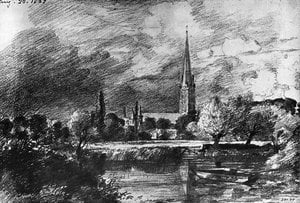
A Mill at Gillingham in Dorset

Constable’s serene depiction of Dorset captures the timeless beauty of rural England in 1826, showcasing a picturesque mill village bathed in dappled sunlight and animated by flowing waterfalls – an invitation to bring this idyllic landscape into your home.

Découvrez John Constable (1776-1837), un peintre de paysages britannique renommé pour sa profondeur émotionnelle et sa beauté naturelle. Influencé par la École de Barbizon, il a pionnier le Romantisme avec des œuvres emblématiques telles que 'Netley Abbey'. Explorez son héritage chez WahooArt!

Giclées et impressions d'art

Impressions giclées ou sur toile de qualité musée, avec une production rapide et des finitions au choix. (Commander la reproduction peinte à la main Commander la reproduction peinte à la mainAcheter l'image haute résolution Acheter l'image haute résolution)

P118B $10
P118H $10
P118W $10
P438Z $10
P508JH $12
P508YH $12
P805H $10
P805Z $10
P919BZ $10
P919G $10
P919XJ $10
P959ZH $10
P968JZ $12
W106C $8
W218G $10
W218JH $8
W218Y $10
W307PJ $10
W316G $10
W316PJ $8
W316Y $10
W398PJ $8
W4111J $10
W500HY $15
W500JH $15
W692G $12
W849H $8
W940BG $15
W953PJ $8

Format standard
sur mesure
CM
INCH

Choisissez parmi nos formats prédéfinis qui respectent les proportions originales de l’œuvre.

largeur
hauteur

Vous pouvez saisir vos propres dimensions pour vous adapter à un cadre ou à un espace spécifique. Si la taille sélectionnée ne correspond pas aux proportions de l'image originale, nous recadrerons l'œuvre ou étendrons l'image avec une bordure en miroir ou une couleur unie. Une maquette numérique vous sera envoyée pour approbation avant le début de la production.
Veuillez noter que l'aperçu à l'écran ne reflète pas le recadrage ou l'extension réelle. Seule la maquette montrera avec précision la composition finale.
Bien que des tailles personnalisées soient disponibles, nous vous recommandons de choisir une dimension dans la liste prédéfinie afin de préserver les proportions originales.

Livraison dans le monde entier () en 2 semaines au lieu des 4/5 semaines habituelles. (6 septembre)

why_choose_icon
Livraison express gratuite dans le monde entier

why_choose_icon
Toile de lin de qualité supérieure
why_choose_icon
Assurance transport complète
why_choose_icon
Garantie de remboursement des droits de douane
why_choose_icon
Garantie de fidélité des couleurs
why_choose_icon
Politique de retour de 60 jours (uniquement en cas de défaut)
why_choose_icon
Garantie de remboursement à 100%
why_choose_icon
Offre de tarifs dégressifs

Prix total

$ 68

reproduction

A Mill at Gillingham in Dorset

Giclées et impressions d'art

Format de la reproduction

-

Prix total

$ 68

Informations clés

  • Influences: Claude Lorrain
  • Medium: Oil on canvas
  • Artist: John Constable
  • Notable elements or techniques: Atmospheric perspective; Detailed depiction of rural life
  • Movement: Romanticism
  • Title: A Mill at Gillingham
  • Year: 1826

A Mill at Gillingham in Dorset – Constable’s Ode to Rural Tranquility

The painting “A Mill at Gillingham” by John Constable, completed in 1826, transcends mere representation; it embodies a profound connection between artist and landscape—a testament to Constable's unwavering dedication to capturing the essence of the English countryside. More than just depicting a picturesque village scene, this artwork speaks volumes about the Romantic movement’s fascination with nature as a source of spiritual inspiration and emotional catharsis.

Subject Matter and Composition

At its core lies Gillingham Mill, nestled within Dorset's Dedham Vale—a location intimately familiar to Constable himself, having spent his formative years observing the rhythms of rural life alongside his father. The composition is masterful: a large brick house dominates the center, anchoring the scene while simultaneously framing the expansive vista beyond. A prominent waterfall cascades down from the hillside, creating a dynamic element that draws the eye and establishes an atmosphere of serene movement. Scattered throughout the village are figures engaged in everyday activities—farmers tending to livestock, children playing near the water’s edge—adding a sense of life and immediacy to the tableau. The careful placement of cows grazing peacefully and horses positioned strategically contributes to the overall harmony of the composition.

Style and Technique – Impressionistic Hints

Constable's artistic style leans heavily into Impressionism, albeit predating its formal articulation. Unlike the meticulous detail favored by earlier Romantic painters like Claude Lorrain, Constable prioritizes capturing fleeting moments of light and color—a technique he honed through countless hours spent outdoors. His brushstrokes are loose and expressive, blending pigments directly onto the canvas to achieve a luminous effect that rivals natural illumination. The artist skillfully utilizes atmospheric perspective, subtly diminishing colors and tonal values as they recede into the distance, conveying the palpable sense of depth and airiness characteristic of Dedham Vale. This deliberate blurring of edges contributes significantly to the painting’s emotional impact, inviting viewers to immerse themselves in the beauty of the landscape.

Historical Context: The Romantic Ideal

“A Mill at Gillingham” emerged during a pivotal period in British art history—the height of the Romantic movement. Artists like Constable sought refuge from the constraints of neoclassical formalism, embracing instead the untamed grandeur and sublimity of nature as depicted by poets such as Wordsworth and Coleridge. This artistic impulse stemmed from a broader cultural shift toward valuing emotion and imagination over reason and intellect. The painting reflects the Romantic preoccupation with capturing the sublime—that awe-inspiring experience of confronting overwhelming beauty or terror—and celebrates the restorative power of rural solitude. It stands as an emblem of the movement’s belief that art could elevate the human spirit and foster a deeper understanding of the natural world.

Symbolism: Light, Labor, and Pastoral Harmony

Beyond its aesthetic qualities, “A Mill at Gillingham” carries symbolic weight. The waterfall represents not only physical beauty but also the ceaseless flow of time and the transformative influence of nature on human experience. The mill itself symbolizes labor—the industrious spirit of rural England—but crucially, it’s presented alongside pastoral tranquility, suggesting that productivity and contemplation can coexist harmoniously. Constable's deliberate inclusion of animals reinforces this symbolic message, portraying them as integral components of a balanced ecosystem and embodying qualities of innocence and resilience.

Emotional Impact: A Window into Constable’s Soul

Ultimately, “A Mill at Gillingham” succeeds in conveying the profound emotional resonance that characterized Constable’s artistic vision. The painting evokes feelings of peace, contentment, and wonder—a desire to escape the pressures of urban life and reconnect with the rhythms of the natural world. It captures a moment frozen in time—a snapshot of rural Dorset bathed in golden afternoon light—that speaks directly to our deepest instincts for beauty and tranquility. This enduring appeal testifies to Constable’s remarkable ability to translate his personal experience into universal artistic expression.

Biographie de l'artiste

**Jeunesse et difficultés**

John Constable, un artiste britannique renommé, est né le 23 juin 1776 à East Bergholt, dans le Suffolk. Sa jeunesse a été marquée par une profonde connexion avec la nature, qui allait devenir la marque de fabrique de son style artistique. Malgré les nombreuses difficultés rencontrées sur le marché de l'art anglais, la détermination inébranlable de Constable envers son métier a ouvert la voie à un héritage qui dépasse largement sa propre époque.

**Style artistique et influence**

L’approche distinctive de Constable en matière de peinture paysagère, caractérisée par son accent sur la beauté naturelle et la profondeur émotionnelle, a marqué une évolution significative dans ce genre. Son influence a été particulièrement profonde en France, où elle a joué un rôle clé dans la formation de l'École de Barbizon des peintres. Cette école, connue pour sa focalisation sur le réalisme et la nature, s’est directement inspirée des techniques et des thèmes de Constable.
  • Netley Abbey (huile sur toile), un témoignage de son talent pour capturer l'essence des paysages naturels.
  • The Judges Walk, Hampstead (romantisme, huile), illustrant sa capacité à infuser des touches personnelles dans son travail.
  • A View on the Stour near Dedham (129 x 188 cm, romantisme, huile sur toile), un exemple flagrant de son influence sur le genre du paysage.

**Héritage et mémoire**

Aujourd’hui, John Constable est souvenu non seulement comme peintre de paysages mais aussi comme pionnier qui a ouvert de nouvelles possibilités d'expression émotionnelle dans l’art. Son impact profond sur la trajectoire de la peinture de paysage au 19e siècle et au-delà est indéniable. Points clés : * Influencé dans le développement de l'École de Barbizon en France * A ouvert une nouvelle approche de la peinture de paysages, axée sur la beauté naturelle et la profondeur émotionnelle * A lutté pour être reconnu sur le marché de l’art anglais pendant sa vie

**Conclusion**

L'héritage de John Constable témoigne du pouvoir transformateur de l’art. Son influence sur la peinture de paysages, à la fois dans sa période et au-delà, nous rappelle l'impact profond qu'un artiste peut avoir sur le monde.
John Constable

John Constable

1776 - 1837 , Royaume-Uni

L'essentiel de l'artiste

  • Artistes Influents:
    • Claude Lorrain
    • Jacob van Ruisdael
  • Date De Décès: 1837
  • Date De Naissance: 23 juin 1776
  • Influence Sur Les Artistes: ['École de Barbizon']
  • Lieu De Naissance: East Bergholt, Royaume-Uni
  • Mouvement Artistique: Romantisme
  • Nationalité: Britannique
  • Nom Complet: John Constable
  • Oeuvres Notables:
    • Netley Abbey
    • The Hay Wain
    • Salisbury Cathedral
Explorez des œuvres d'art classées par thèmes, styles et caractéristiques.