


Impressions giclées ou sur toile de qualité musée, avec une production rapide et des finitions au choix. ( Commander la reproduction peinte à la main Acheter l'image haute résolution)





























Choisissez parmi nos formats prédéfinis qui respectent les proportions originales de l’œuvre.

Vous pouvez saisir vos propres dimensions pour vous adapter à un cadre ou à un espace spécifique. Si la taille sélectionnée ne correspond pas aux proportions de l'image originale, nous recadrerons l'œuvre ou étendrons l'image avec une bordure en miroir ou une couleur unie. Une maquette numérique vous sera envoyée pour approbation avant le début de la production.
Veuillez noter que l'aperçu à l'écran ne reflète pas le recadrage ou l'extension réelle. Seule la maquette montrera avec précision la composition finale.
Bien que des tailles personnalisées soient disponibles, nous vous recommandons de choisir une dimension dans la liste prédéfinie afin de préserver les proportions originales.
Livraison dans le monde entier () en 2 semaines au lieu des 4/5 semaines habituelles. (6 septembre)


Cajoler
Format de la reproduction
Jean-Antoine Watteau’s “Cajoler,” completed in 1708, stands as a pivotal moment in artistic history—a defiant rejection of the grandeur and theatricality of Baroque painting and an embrace of a new aesthetic sensibility: Rococo. Born Valenciennes in 1684, Watteau’s early life instilled in him a profound appreciation for observation and detail, mirroring the meticulous realism that would characterize his formative years sketching the vibrant streets of his hometown.
The painting depicts two figures engaged in an intimate tableau – a gentleman accompanied by a woman. Watteau skillfully captures a fleeting moment of leisure, portraying them amidst a richly decorated interior, likely a salon or ballroom. The presence of a bird perched atop the left wall adds to the scene’s serenity and subtly reinforces themes of freedom and pastoral beauty—elements central to Rococo’s fascination with idealized landscapes and aristocratic pursuits.
Watteau's mastery lies in his delicate brushwork and masterful use of color. Unlike the bold contrasts favored by Baroque artists, Watteau employs muted hues – creams, pale pinks, and soft blues – creating an atmosphere of diffused light and ethereal grace. The artist’s technique prioritizes layering thin glazes over a toned ground, achieving remarkable luminosity and capturing subtle nuances of texture. This meticulous approach exemplifies Rococo's commitment to refined beauty and illusionistic depth.
"Cajoler" emerged during a period of significant artistic upheaval in France. The Baroque era had dominated European art for decades, glorifying power and commemorating heroic deeds with monumental scale and dramatic ornamentation. Watteau’s work signaled a decisive shift toward a more restrained aesthetic—one that favored elegance, intimacy, and psychological subtlety over grand spectacle. This stylistic rebellion reflected broader societal changes, as aristocratic patronage increasingly valued refined taste and emotional resonance.
Beyond its formal beauty, “Cajoler” resonates with deeper symbolic meanings. The bird represents innocence and aspiration—a yearning for escape from the constraints of social convention. Watteau’s depiction of companionship speaks to the Rococo ideal of harmonious relationships between men and women, emphasizing pleasure and refined sensibility. Ultimately, the painting evokes a feeling of wistful contemplation—a celebration of fleeting beauty and the ephemeral joys of aristocratic life.


1684 - 1721 , France
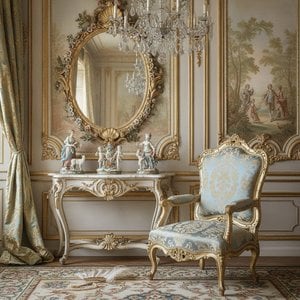
Discover the exquisite allure of Rococo art. Explore a curated guide to 18th-century French masterpieces, from Watteau to Fragonard, and learn how hand-painted oil reproductions can bring timeless elegance and luxury to your sophisticated interior design collection.

Immerse yourself in the splendor of Rococo art. Discover the era of elegance through masterworks by Watteau and Fragonard. Explore themes of romance, aristocratic leisure, and gilded ornamentation in this definitive guide to 18th-century French opulence.

Discover the breathtaking elegance of Rococo portraiture. Explore an expert guide to 18th-century mastery, from pastel palettes to aristocratic grandeur, and learn how to bring this era of opulence into your home through museum-quality oil reproductions.

 Aperçu en situation
 Envoyer
 Partager
 Détails de l'œuvre

 Télécharger
 Articles similaires
 Radiographie
 Diaporama


 Lire la suite







 L'option verre n'est disponible que pour les dimensions inférieures à 110 cm.


