Devenir vendeur


x
-
Acheter
Peintures sur mesure et personnalisées Impressions d'art personnalisées Transformez votre photo en chef-d'œuvre artistique Acheter par thème Acheter par pièce Assistant Déco : Salon Assistant déco : Bureau Acheter par occasion Acheter nos peintures en stockDécouvrez nos créations Découvrez nos ateliers partenaires Recevez vos suggestions d'art personnalisées gratuitement Guide du collectionneur : Choisir votre premier chef-d'œuvre Guide de la décoration avec des reproductions d'art Services cadeaux Guide de l'art pour vos cadeaux d'affaires Mon panier Mon tableau de bord, Mes favoris, Mes commandes
-
Artistes
Tous les artistes Les 100 plus grands artistes Par périodes artistiques Par ordre alphabétique Tous les types de médiums Tous les médiums Par pays de naissance Par période historique Par ambiance Par tonalités émotionnelles Par étapes de carrièrePar couleurs d'œuvres Par année de naissance Par intensité de couleur Par corpus d'œuvres Artistes célèbres qui ont changé le monde L'ascension des femmes artistes Les Maîtres de la Renaissance Commandez vos œuvres dès aujourd'hui Notre accompagnement des collectionneurs privés Créer un portfolio d'artiste pour les entreprises
- Œuvres d'art
- Médiums et styles
- Musées
-
Articles
Tous les articles Les 100 meilleurs articles Par mots-clés Par catégorie Par ton Chronologie de l'histoire de l'art Les bases de la collection d'art Comprendre les mouvements artistiques Les chefs-d'œuvre à travers l'histoireCouleur et émotion dans l'art Exposer de l'art chez soi L'Art et l'Émotion : Décorer selon les Ambiances et les Humeurs Guides de décoration par pièce Sélections saisonnières de curated L'art comme investissement L'Art en Entreprise : Inspirez votre bureau grâce à la créativité Cadeaux de mariage et d'anniversaire Histoires et témoignages clients
-
Nos services
De la photo au tableau De la photo au tirage d'art Votre photo en chef-d'œuvre d'art Conciergerie d'art Demander un devis Commandes privées VIP Expertise d'œuvres d'art Vendre en tant que galerie Sélection d'art gratuite Recevez des suggestions d'art gratuites De la photo au tableau : le voyage des portraits personnalisés Le processus de peinture


 Aperçu en situation
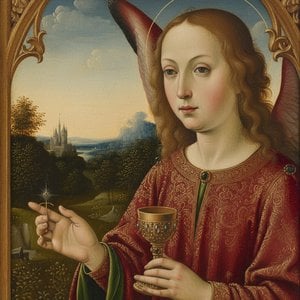
 Commander la reproduction peinte à la main
 Envoyer
 Partager
 Détails de l'œuvre

 Télécharger
 Articles similaires
 Radiographie
 Diaporama

 Lire la suite






































 L'option verre n'est disponible que pour les dimensions inférieures à 110 cm.