x
Aperçu en situationAperçu en situation Visualiser en RAVisualiser en RA Commander la reproduction peinte à la main Commander la reproduction peinte à la mainAcheter l'image haute résolution Acheter l'image haute résolution EnvoyerEnvoyer
Détails de l'œuvreDétails de l'œuvre Ajouter aux favoris Ajouter aux favoris TéléchargerTélécharger Articles similairesArticles similaires RadiographieRadiographie DiaporamaDiaporama

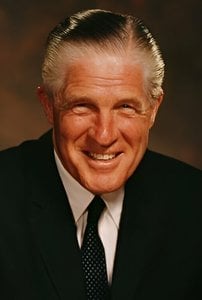
John Satterthwaite

George Romney's captivating 1780 portrait of John Satterthwaite, a distinguished gentleman rendered with exquisite detail and Rococo elegance. Explore the artistry & history behind this iconic piece.

Découvrez George Romney (1734-1802), maître du portrait britannique ! Explorez ses peintures élégantes & sa muse captivante, Emma Hamilton. Reproductions disponibles !

Giclées et impressions d'art

Impressions giclées ou sur toile de qualité musée, avec une production rapide et des finitions au choix. (Commander la reproduction peinte à la main Commander la reproduction peinte à la mainAcheter l'image haute résolution Acheter l'image haute résolution)

P118B $10
P118H $10
P118W $10
P438Z $10
P508JH $12
P508YH $12
P805H $10
P805Z $10
P919BZ $10
P919G $10
P919XJ $10
P959ZH $10
P968JZ $12
W106C $8
W218G $10
W218JH $8
W218Y $10
W307PJ $10
W316G $10
W316PJ $8
W316Y $10
W398PJ $8
W4111J $10
W500HY $15
W500JH $15
W692G $12
W849H $8
W940BG $15
W953PJ $8

Format standard
sur mesure
CM
INCH

Choisissez parmi nos formats prédéfinis qui respectent les proportions originales de l’œuvre.

largeur
hauteur

Vous pouvez saisir vos propres dimensions pour vous adapter à un cadre ou à un espace spécifique. Si la taille sélectionnée ne correspond pas aux proportions de l'image originale, nous recadrerons l'œuvre ou étendrons l'image avec une bordure en miroir ou une couleur unie. Une maquette numérique vous sera envoyée pour approbation avant le début de la production.
Veuillez noter que l'aperçu à l'écran ne reflète pas le recadrage ou l'extension réelle. Seule la maquette montrera avec précision la composition finale.
Bien que des tailles personnalisées soient disponibles, nous vous recommandons de choisir une dimension dans la liste prédéfinie afin de préserver les proportions originales.

Livraison dans le monde entier () en 2 semaines au lieu des 4/5 semaines habituelles. (2 septembre)

why_choose_icon
Livraison express gratuite dans le monde entier

why_choose_icon
Toile de lin de qualité supérieure
why_choose_icon
Assurance transport complète
why_choose_icon
Garantie de remboursement des droits de douane
why_choose_icon
Garantie de fidélité des couleurs
why_choose_icon
Politique de retour de 60 jours (uniquement en cas de défaut)
why_choose_icon
Garantie de remboursement à 100%
why_choose_icon
Offre de tarifs dégressifs

Prix total

$ 68

reproduction

John Satterthwaite

Giclées et impressions d'art

Format de la reproduction

-

Prix total

$ 68

Informations clés

  • Artistic style: Portraiture
  • Medium: Oil on canvas
  • Subject or theme: Man portrait
  • Notable elements: Portrait of a man
  • Title: John Satterthwaite
  • Dimensions: 70 x 50 cm
  • Location: Lancaster, US

Quiz d'art

Chaque question ne comporte qu'une seule bonne réponse.

Question 1:
What is the primary artistic style of George Romney’s painting, ‘John Satterthwaite’?
Question 2:
In what year was the painting ‘John Satterthwaite’ created by George Romney?
Question 3:
According to the description, what is prominent in the background of the painting?
Question 4:
Who painted ‘John Satterthwaite’?
Question 5:
The painting is currently located at which location?

A Portrait of Quiet Dignity: John Satterthwaite by George Romney

George Romney’s “John Satterthwaite,” painted in 1780, is more than just a likeness; it's a carefully constructed tableau of Georgian society and the burgeoning ideals of portraiture. Executed in the Rococo style – a period characterized by its elegance, grace, and emphasis on decorative detail – the painting offers a glimpse into the life of a gentleman of considerable standing within Lancaster’s social circles. Romney, already establishing himself as one of London's most sought-after artists, masterfully captures not only Satterthwaite’s physical appearance but also an underlying sense of composure and quiet authority.

The composition itself is remarkably restrained. Satterthwaite sits in a simple, dark armchair against a stark black wall, a deliberate choice that draws the viewer's attention entirely to his figure. His posture is upright, suggesting self-assurance and respectability – hallmarks of the era’s social norms. The lighting, expertly rendered by Romney, highlights the textures of his clothing: the rich velvet of his jacket, the subtle sheen of his waistcoat, and the delicate folds of his cravat. These details speak to both his wealth and his attention to detail, reflecting a man who valued appearances and status.

The Painter’s Hand and the Rococo Influence

Romney's technique is immediately recognizable – a blend of meticulous observation and expressive brushwork. He employs a loose, almost impressionistic approach to capturing light and shadow, creating a sense of depth and volume that belies the painting’s relatively small scale (70 x 50 cm). Note the subtle variations in tone across his face, particularly around the eyes and mouth, conveying a hint of intelligence and perhaps even melancholy. The artist's use of color is restrained yet effective; the deep reds and browns of Satterthwaite’s attire are offset by the cool tones of the background, creating a harmonious balance.

The painting firmly resides within the Rococo tradition, which flourished in Europe during the 18th century. Characterized by its emphasis on beauty, pleasure, and intimacy, Rococo art often depicted scenes of leisure, mythology, and aristocratic life. Romney’s “John Satterthwaite” embodies these principles perfectly, offering a refined portrait that celebrates the virtues of Georgian society. The inclusion of elements like the dark background – a common device in portraits of this period – served not only to highlight the subject but also to evoke a sense of formality and gravitas.

Symbolism and Context

Beyond its aesthetic qualities, “John Satterthwaite” is rich in symbolic meaning. The gentleman’s attire—the velvet jacket, the lace cravat—are indicators of his social standing and wealth. His gaze, directed directly at the viewer, establishes a connection and invites engagement. The painting was created during a period of significant social and political change in Britain – the aftermath of the American Revolution and the rise of Enlightenment ideals. Portraits like this one served as powerful tools for asserting status, reinforcing social hierarchies, and documenting an individual’s place within the established order.

Interestingly, research reveals that John Satterthwaite was a prominent figure in Lancaster's legal community during the late 18th century. The painting likely served to commemorate his position and influence within the local society. Further investigation into the artist, George Romney, unveils a fascinating career marked by both success and personal struggles – including a brief marriage and eventual relocation to London. His ability to capture the essence of his subjects, as evidenced in “John Satterthwaite,” cemented his reputation as one of the era’s most celebrated portrait painters.

A Timeless Masterpiece: Reproduction Possibilities

Today, "John Satterthwaite" resides at the Judges' Lodgings in Lancaster, a testament to its enduring artistic value. High-quality reproductions offer an accessible way to appreciate Romney’s skill and vision. When commissioning a hand-painted reproduction, consider the scale and materials carefully – ensuring that the final product faithfully captures the painting’s original atmosphere and detail. The rich textures, subtle lighting, and dignified composition of this portrait will undoubtedly add a touch of timeless elegance to any interior space.


Biographie de l'artiste

George Romney : Une Vie au Service du Portrait

Premières Années et Débuts Artistiques

  • Naissance: 26 mai 1734, à Beckside, Dalton-in-Furness, Lancashire (aujourd'hui Cumbria), Royaume-Uni.
  • Romney était le troisième de onze enfants nés de John Romney, fabricant d’armoires, et Anne Simpson.
  • Formation Artistique Précoce: Il a rapidement montré une inclination pour l'art, ce qui l'a conduit à un apprentissage auprès de Christopher Steele, un portraitiste ayant étudié sous Carlo Vanloo à Paris. Cette formation initiale lui a fourni des compétences essentielles et une exposition aux traditions artistiques européennes.

Développement Artistique et Percée

  • Romney s’est rendu à Londres vers 1760, cherchant de plus grandes opportunités pour sa carrière naissante.
  • Il s'est rapidement imposé comme un portraitiste habile, en concurrence avec des artistes éminents tels que Thomas Gainsborough et Joshua Reynolds.
  • Style et Technique: Le style de Romney a évolué au fil du temps, initialement influencé par Steele et Vanloo, mais il a développé une approche distinctive caractérisée par des poses élégantes, un éclairage doux et un accent sur la capture de la personnalité de ses modèles.

La Muse : Emma Hamilton

  • Une Relation Clé: La vie artistique de Romney a été profondément marquée par sa relation avec Emma Hamilton (née Amy Lyon). Elle est devenue son modèle préféré et sa muse, inspirant une série de portraits captivants.
  • La beauté, l'intelligence et le talent théâtral d’Hamilton ont fasciné Romney. Il l'a représentée dans divers rôles – comme fileuse, Miranda dans *La Tempête* de Shakespeare, et dans de nombreuses autres scènes allégoriques.
  • Exploration Artistique: Grâce à son travail avec Hamilton, Romney a exploré des thèmes de mythologie classique, de théâtralité et de grâce féminine.

Œuvres Notables et Réalisations

  • Portrait de James Brudenell, Earl of Cardigan (1776): Un exemple parfait de l'aptitude de Romney à capturer le caractère et le statut de ses sujets.
  • Emma Hamilton comme Fileuse: Démontre la capacité de Romney à représenter à la fois la beauté et une narration au sein d’une seule composition.
  • Lady Emma Hamilton en tant que Miranda : Met en valeur la fascination de Romney pour les poses théâtrales et les allusions classiques.
  • Ariel (Somerville College, Oxford) : Un portrait saisissant d'Emma Hamilton incarnant l'esprit de *La Tempête* de Shakespeare.
  • Large Patronage: Romney a connu une carrière réussie en attirant des commandes de membres éminents de la société britannique, notamment des aristocrates, des politiciens et des figures littéraires.

Influences et Importance Historique

  • Influences Artistiques : Carlo Vanloo et Christopher Steele ont fourni à Romney une formation précoce. Il a également puisé son inspiration dans les œuvres de Pierre Paul Rubens et d'autres maîtres baroques.
  • Impact sur le Portrait Britannique: Le travail de Romney a contribué à façonner le développement du portrait britannique à la fin du XVIIIe siècle, contribuant à un style qui mettait l’accent sur l’élégance, la perspicacité psychologique et le talent artistique.
  • Ses portraits offrent des aperçus précieux sur les vies et les goûts de l'élite britannique à son époque.
  • Vie ultérieure et Héritage : Romney a connu des problèmes de santé mentale plus tard dans sa vie, ce qui a entraîné un déclin de sa productivité. Il est décédé en 1802, laissant derrière lui un corpus important d'œuvres qui continuent d’être admirées et étudiées aujourd’hui.
George Romney

George Romney

1734 - 1802 , Royaume-Uni

L'essentiel de l'artiste

  • Artistes Influents:
    • Carlo Vanloo
    • Christopher Steele
  • Date De Décès: 1802
  • Date De Naissance: 26 mai 1734
  • Lieu De Naissance: Dalton-in-Furness, Royaume-Uni
  • Mouvement Artistique: Portraiture, Romantisme
  • Nationalité: Britannique
  • Nom Complet: George Romney
  • Oeuvres Notables:
    • Portrait de James Brudenell
    • Emma Hamilton fileuse
    • Lady Emma Hamilton Miranda
    • Ariel (Somerville College)
Explorez des œuvres d'art classées par thèmes, styles et caractéristiques.