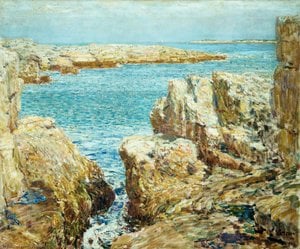
Huile sur toile peinte à la main, avec cadre et dimensions personnalisés, réalisée sur commande par nos artistes. ( Commander l'impression Acheter l'image haute résolution)





























Choisissez parmi nos formats prédéfinis qui respectent les proportions originales de l’œuvre.

Vous pouvez saisir vos propres dimensions pour l'adapter à un cadre ou à un espace spécifique. Si la taille sélectionnée ne correspond pas aux proportions de l'image d'origine, nous recadrerons l'œuvre ou prolongerons la peinture avec des éléments peints à la main supplémentaires. Une maquette numérique vous sera envoyée pour approbation avant le début de la production.
Veuillez noter que l'aperçu à l'écran ne reflète pas le recadrage ou l'extension réels. Seule la maquette montrera fidèlement la composition finale.
Bien que des tailles personnalisées soient disponibles, nous vous recommandons de sélectionner une dimension dans la liste prédéfinie afin de préserver les proportions d'origine.
Livraison dans le monde entier () en 3 à 4 semaines au lieu des 5 semaines habituelles. (7 septembre). Aucun compromis sur la qualité.


Champs Elysées, Paris
Format de la reproduction
Frederick Childe Hassam’s “Champs Elysées, Paris,” painted in 1889, is more than a simple depiction of a Parisian street; it's a poignant meditation on resilience and the enduring spirit of urban life. Created during a pivotal moment – the year following the completion of the Eiffel Tower and the grand Exposition Universelle – the painting captures the Champs-Élysées not as a symbol of imperial grandeur, but as a vibrant artery teeming with ordinary people navigating a decidedly uncooperative sky. The rain, far from diminishing the scene’s energy, seems to heighten it, transforming the iconic avenue into a stage for human perseverance.
Hassam's technique is characterized by a rapid, almost frantic application of paint, typical of the Impressionist movement’s desire to capture a moment in time before it vanished. Notice how he builds up layers of color – primarily blues, greys, and browns – to represent the rain and the wet surfaces. The composition itself is carefully constructed to draw the viewer's eye through the scene. The placement of the horse-drawn carriage creates a sense of depth, while the figures are arranged in a dynamic flow, suggesting movement and activity. The artist’s use of broken color – small, distinct strokes of pure pigment – adds to the painting’s shimmering quality, mimicking the reflections of light on wet surfaces.
"Champs Elysées, Paris" is inextricably linked to the late 19th century – an era of rapid industrialization, urbanization, and social change in Europe. The painting reflects a fascination with modern life and the growing importance of urban centers. The inclusion of the horse-drawn carriage subtly evokes a sense of history and tradition amidst this period of transformation. More profoundly, the scene’s depiction of people continuing their daily routines despite the inclement weather speaks to an underlying theme of human resilience – a quiet assertion of normalcy in the face of adversity. The rain itself can be interpreted as a symbol of cleansing or renewal, further enriching the painting's symbolic weight.
Hassam’s “Champs Elysées, Paris” possesses a remarkable ability to evoke a sense of atmosphere and mood. It’s not merely a picturesque view; it’s an intimate portrayal of human experience within the context of a bustling urban landscape. This painting solidified Hassam's reputation as one of America's foremost Impressionists, influencing generations of artists with his sensitive observation and expressive use of color. A hand-painted reproduction offers a unique opportunity to bring this evocative scene into your home, allowing you to appreciate the beauty and emotional depth of Hassam’s vision.


1859 - 1935 , États-Unis d'Amérique

Master the nuances of Impressionism vs. Post-Impressionism with our expert guide. Explore the revolutionary shift from Monet’s fleeting light to Van Gogh’s emotional depth. Discover how these iconic movements continue to inspire fine art collectors and modern interiors today.

 Aperçu en situation
 Envoyer
 Partager
 Détails de l'œuvre

 Télécharger
 Articles similaires
 Radiographie
 Diaporama

 Lire la suite







 L'option verre n'est disponible que pour les dimensions inférieures à 110 cm.