Aperçu en situation Aperçu en RA Passer au format impression Passer au format image numérique Partager
Détails Guide imprimable Ajouter aux favoris Télécharger Articles similaires Radiographie Voir le diaporama Statistiques

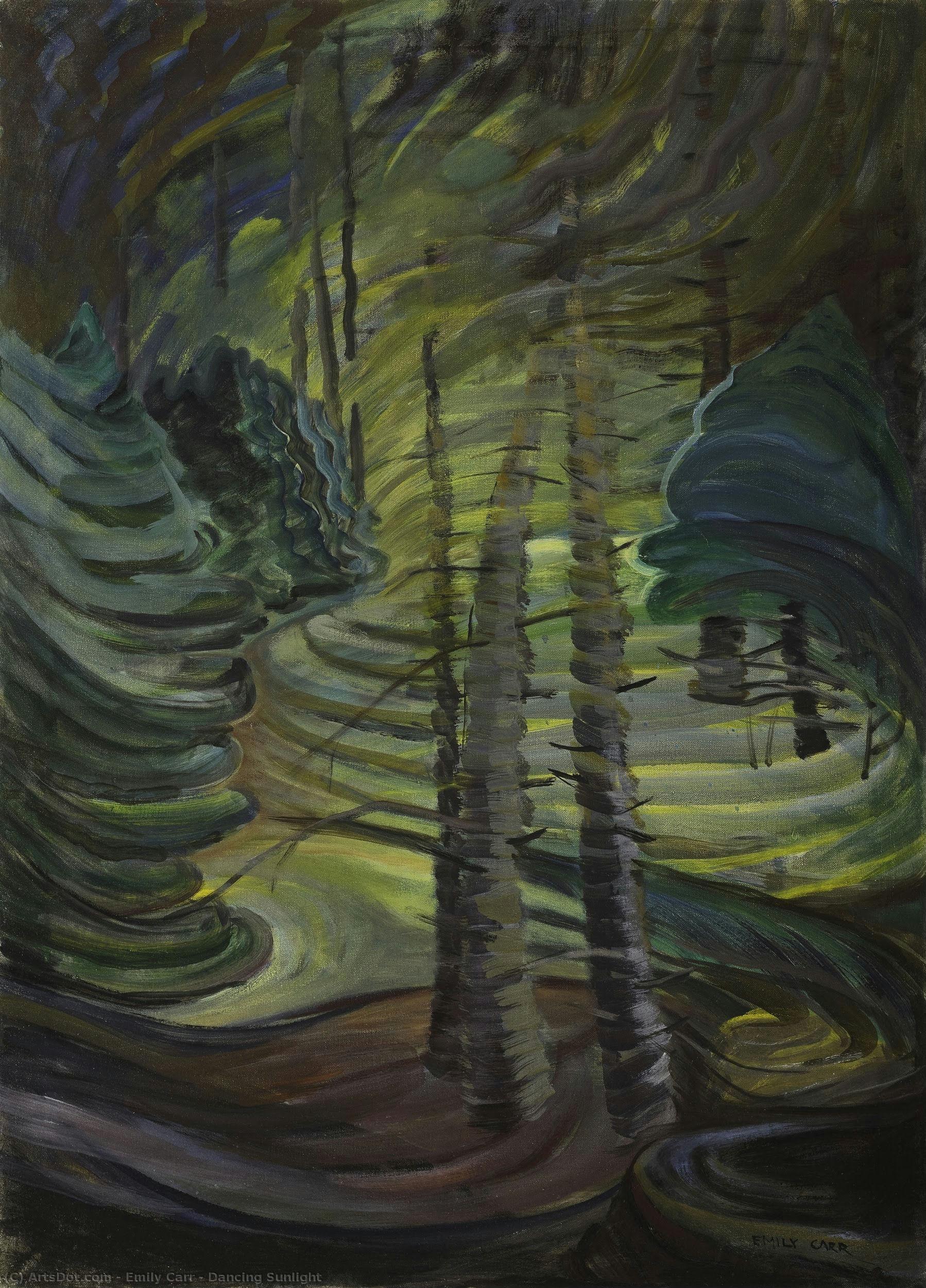
Dancing Sunlight

Discover "Dancing Sunlight," Emily Carr's evocative 1937 painting capturing the magic of British Columbia’s forests. Explore its rich details, artistic techniques & historical context.

Découvrez Emily Carr (1871-1945), pionnière de l'art canadien moderne ! Explorez ses peintures puissantes des paysages et cultures autochtones de la Colombie-Britannique.

Reproduction à l'huile faite à la main

Huile sur toile peinte à la main, avec cadre et dimensions personnalisés, réalisée sur commande par nos artistes. ( Passer au format impression Passer au format image numérique)

Corner sample of the P118B picture frame: moulded polystyrene, 5 cm wide and 3 cm thick
P118B 10
Corner sample of the P118H picture frame: moulded polystyrene, 5 cm wide and 3 cm thick
P118H 10
Corner sample of the P118W picture frame: moulded polystyrene, 5 cm wide and 3 cm thick
P118W 10
Corner sample of the P438Z picture frame: moulded polystyrene, 5.5 cm wide and 3.5 cm thick
P438Z 10
Corner sample of the P508JH picture frame: moulded polystyrene, 7 cm wide and 3.5 cm thick
P508JH 12
Corner sample of the P508YH picture frame: moulded polystyrene, 7 cm wide and 3.5 cm thick
P508YH 12
Corner sample of the P805H picture frame: moulded polystyrene, 5 cm wide and 3.5 cm thick
P805H 10
Corner sample of the P805Z picture frame: moulded polystyrene, 5 cm wide and 3.5 cm thick
P805Z 10
Corner sample of the P919BZ picture frame: moulded polystyrene, 7 cm wide and 3.5 cm thick
P919BZ 10
Corner sample of the P919G picture frame: moulded polystyrene, 7 cm wide and 3.5 cm thick
P919G 10
Corner sample of the P919XJ picture frame: moulded polystyrene, 7 cm wide and 3.5 cm thick
P919XJ 10
Corner sample of the P959ZH picture frame: moulded polystyrene, 5 cm wide and 3 cm thick
P959ZH 10
Corner sample of the P968JZ picture frame: moulded polystyrene, 6 cm wide and 4 cm thick
P968JZ 12
Corner sample of the W106C picture frame: solid wood, 5 cm wide and 3 cm thick
W106C 8
Corner sample of the W218G picture frame: solid wood, 5 cm wide and 3 cm thick
W218G 10
Corner sample of the W218JH picture frame: solid wood, 5 cm wide and 3 cm thick
W218JH 8
Corner sample of the W218Y picture frame: solid wood, 5 cm wide and 3 cm thick
W218Y 10
Corner sample of the W307PJ picture frame: solid wood, 6 cm wide and 3 cm thick
W307PJ 10
Corner sample of the W316G picture frame: solid wood, 6 cm wide and 3 cm thick
W316G 10
Corner sample of the W316PJ picture frame: solid wood, 6 cm wide and 3 cm thick
W316PJ 8
Corner sample of the W316Y picture frame: solid wood, 6 cm wide and 3 cm thick
W316Y 10
Corner sample of the W398PJ picture frame: solid wood, 5 cm wide and 3 cm thick
W398PJ 8
Corner sample of the W4111J picture frame: solid wood, 6.5 cm wide and 3.5 cm thick
W4111J 10
Corner sample of the W500HY picture frame: solid wood, 7 cm wide and 5 cm thick
W500HY 15
Corner sample of the W500JH picture frame: solid wood, 7 cm wide and 5 cm thick
W500JH 15
Corner sample of the W692G picture frame: solid wood, 8 cm wide and 4 cm thick
W692G 12
Corner sample of the W849H picture frame: solid wood, 5 cm wide and 3 cm thick
W849H 8
Corner sample of the W940BG picture frame: solid wood, 7.5 cm wide and 4.5 cm thick
W940BG 15
Corner sample of the W953PJ picture frame: solid wood, 6 cm wide and 3.5 cm thick
W953PJ 8

Format standard
personnalisé
CM
INCH

Choisissez parmi nos formats prédéfinis qui respectent les proportions originales de l’œuvre.

largeur
hauteur

Vous pouvez saisir vos propres dimensions pour l'adapter à un cadre ou à un espace spécifique. Si la taille sélectionnée ne correspond pas aux proportions de l'image d'origine, nous recadrerons l'œuvre ou prolongerons la peinture avec des éléments peints à la main supplémentaires. Une maquette numérique vous sera envoyée pour approbation avant le début de la production.
Veuillez noter que l'aperçu à l'écran ne reflète pas le recadrage ou l'extension réels. Seule la maquette montrera fidèlement la composition finale.
Bien que des tailles personnalisées soient disponibles, nous vous recommandons de sélectionner une dimension dans la liste prédéfinie afin de préserver les proportions d'origine.

Exemples de personnalisation possibles : remplacer un visage par la photo du client ; ajouter un animal de compagnie (par exemple, remplacer un chat par un chien) ; inclure un message caché en arrière-plan ; modifier le paysage ou les éléments de l'arrière-plan.
Après la commande, l’équipe WahooArt.com contactera le client par e-mail pour recueillir ses instructions et lui fournira une maquette d’aperçu

Livraison dans le monde entier () en 3 à 4 semaines au lieu des 5 semaines habituelles. (10 octobre). Aucun compromis sur la qualité.

Livraison express gratuite dans le monde entier

Toile de lin de haute qualité
Assurance transport complète
Garantie de remboursement des droits de douane
Garantie de fidélité des couleurs
Garantie de retour de 100 jours (uniquement en cas de défaut)
Garantie de remboursement à 100%
Tarifs dégressifs sur quantité

Prix total

€ 234

Dancing Sunlight

Technique de reproduction

Format de la reproduction

-

Prix total final

€ 234

L'essentiel de l'œuvre

  • Influences: Landscape
  • Notable elements: Forest scene
  • Artistic style: Expressionism
  • Subject or theme: Nature, Night
  • Year: 1937
  • Medium: Painting

Emily Carr's "Dancing Sunlight": A Nocturne of Spirit and Timber

“Dancing Sunlight,” painted in 1937 by Emily Carr, offers an intimate glimpse into the heart of British Columbia’s wilderness – a scene rendered with a profound understanding of light, texture, and the enduring spirit of the land. This evocative work captures a forest at night, not as darkness, but as a vibrant tapestry woven from the last vestiges of sunset and the emerging shadows. The artist's meticulous attention to detail, particularly in the depiction of the trees – some sharply defined, others softened by atmospheric haze – creates a sense of depth that draws the viewer into this tranquil space. It’s a painting that speaks not just of visual beauty but of a deep connection to nature, a hallmark of Carr’s artistic legacy.

Style and Technique: Impressionistic Brushwork

  • Impressionistic Approach: Carr employs an impressionistic technique, prioritizing the immediate sensation of light and color over precise representation. The brushstrokes are visible, contributing to a dynamic surface that seems to shimmer with reflected light.
  • Layered Application: Notice the layering of paint – thin washes build up atmospheric perspective, while thicker impasto creates texture in the tree trunks and foliage. This technique enhances the three-dimensionality of the scene.
  • Color Palette: The dominant hues are warm oranges, reds, and yellows, indicative of the setting sun, contrasted with cooler blues and greens that suggest the deepening shadows. Carr’s masterful use of color evokes a sense of warmth and tranquility.

Historical Context and Emily Carr's Vision

Painted in 1937, “Dancing Sunlight” reflects a pivotal moment in Emily Carr’s career. Following years spent documenting the coastal forests and First Nations communities of British Columbia, she was increasingly drawn to the interior landscapes. This work exemplifies her evolving style – a move towards greater abstraction while retaining a deep respect for the natural world. The painting also speaks to the broader cultural context of the time, when there was growing interest in preserving Canada’s wilderness areas. Carr's art became an important voice advocating for the protection of these unique environments.

Symbolism and Emotional Impact

More than a simple landscape painting, “Dancing Sunlight” is imbued with symbolic meaning. The ‘dancing sunlight’ itself suggests movement, energy, and perhaps even spirituality – a connection between the earthly realm and something beyond. Carr's work frequently explored themes of solitude, resilience, and the power of nature to inspire awe and reverence. The composition invites contemplation, prompting viewers to consider their own relationship with the natural world. The painting’s quiet intensity evokes a sense of peace and wonder, capturing the essence of a timeless moment in the forest.

Dimensions & Reproduction Details

Size: 83 x 60 cm (approximately 32.7 x 23.6 inches)

Date: 1937

WahooArt offers a meticulously crafted hand-painted reproduction of Emily Carr’s “Dancing Sunlight,” ensuring the highest quality and authenticity. Each reproduction is created using archival materials, guaranteeing lasting beauty and preserving the original artwork's vibrant colors for generations to come.

Questions et réponses

En quelle année "Dancing Sunlight" a-t-il été réalisé ?

L'œuvre «Dancing Sunlight» de Emily Carr date de 1937.

Où puis-je trouver des statistiques concernant «Dancing Sunlight» de Emily Carr ?

Les statistiques concernant «Dancing Sunlight» de Emily Carr se trouvent sur la page Statistiques de l'œuvre : visites mensuelles de l'œuvre, visites des œuvres de l'artiste, ainsi que la répartition par pays et par langue des visiteurs récents.

De quelle période historique date «Dancing Sunlight» de Emily Carr ?

La période historique de «Dancing Sunlight» de Emily Carr est 19th Century. Cette classification situe l'œuvre dans l'histoire de l'art.

Quelle taille est suggérée pour "Dancing Sunlight" dans un(e) Living Room ?

Pour une Living Room, la taille d'impression recommandée pour «Dancing Sunlight» de Emily Carr est Large.

L'image de «Dancing Sunlight» de Emily Carr peut-elle être librement reproduite ?

«Dancing Sunlight» de Emily Carr est dans le dans le domaine public - ses droits d'auteur ont expiré. Ce statut régit les modalités de reproduction de l'image de l'œuvre.

Qui a créé "Dancing Sunlight" ?

L'artiste à l'origine de « Dancing Sunlight » est Emily Carr. L'œuvre est répertoriée sous le nom de Emily Carr.

Quel âge avait Emily Carr lors de la création de « Dancing Sunlight » en 1937 ?

Emily Carr avait 66 ans lors de la création de « Dancing Sunlight » en 1937. L'âge est calculé à partir de l'année de naissance de l'artiste, 1871.


Biographie de l'artiste

Premières années et influences

  • Née: Le 13 décembre 1871, Victoria, Colombie-Britannique
  • Décédée: Le 2 mars 1945, Victoria, Colombie-Britannique
  • Origines familiales: Emily Carr était la deuxième plus jeune de neuf enfants nés de Richard et Emily (Saunders) Carr. Son père était un immigrant anglais qui a établi une entreprise prospère à Victoria.
  • Premières inclinations artistiques: Encouragée par son père, Emily a montré des talents artistiques dès son plus jeune âge. Elle a reçu une formation artistique précoce et s'est montrée vivement intéressée par la représentation du monde naturel qui l'entourait.
  • Éducation: A étudié à l'Institut d'art de San Francisco (1890-1892) et à la Westminster School of Art à Londres (1899). Ces expériences lui ont exposé à divers styles artistiques, mais elle a finalement développé une vision unique.
  • Premières influences: Les paysages de la Colombie-Britannique, en particulier l'île de Vancouver, ont profondément influencé le travail précoce de Carr. Elle était également attirée par l'art et la culture des peuples autochtones habitant la région.

Développement artistique et style

  • Débuts post-impressionnistes: Initialement, le style de Carr penchait vers le post-impressionnisme, influencé par des artistes européens. Cependant, elle s'est progressivement éloignée de la représentation conventionnelle pour développer une approche plus expressive et personnelle.
  • Concentration sur la culture autochtone: Un tournant important dans sa carrière a été son exploration des villages et de l'art des Premières Nations. Elle cherchait à capturer l'essence spirituelle et la richesse culturelle de ces communautés dans ses peintures.
  • Embrasse du modernisme: Carr est devenue l'une des premières peintres canadiennes à embrasser le modernisme, caractérisé par des couleurs audacieuses, des coups de pinceau dynamiques et une rupture avec le réalisme traditionnel.
  • Style unique: Son style se caractérise par son intensité émotionnelle, sa palette de couleurs vibrante et son utilisation distinctive de la texture. Elle employait souvent des techniques d'impasto épaisses pour créer un sentiment de mouvement et d'énergie dans ses peintures.

Œuvres majeures et expositions

  • Tableaux notables: Tanoo (aquarelle), Un village Haïda (huile), L’église indienne (huile) sont parmi ses œuvres les plus célébrées, présentant un mélange unique de techniques modernistes et de thèmes autochtones.
  • Expositions: Carr a participé à plusieurs expositions au cours de sa carrière, notamment l'"Exposition d'art des Premières Nations et des peuples modernes de la côte ouest canadienne" à la Galerie nationale du Canada.
  • Klee Wyck (1941): Son autobiographie, Klee Wyck, a remporté le Prix littéraire du gouverneur général pour les non-fiction, démontrant son talent d'écrivaine et de chroniqueuse de la vie en Colombie-Britannique.

Héritage et signification historique

  • "Mère de l'art canadien moderne": Emily Carr est largement considérée comme une pionnière de l'art canadien moderne, ouvrant la voie aux générations futures d'artistes.
  • Reconnaissance de la culture autochtone: Son travail a contribué à sensibiliser à la culture et aux traditions artistiques des Premières Nations au Canada.
  • Influence sur les artistes ultérieurs: Elle a inspiré de nombreux artistes canadiens par sa vision unique et son engagement inébranlable envers son art. Pegi Nicol Macleod en est un exemple.
  • Icône nationale: L'héritage de Carr s'étend au-delà de ses œuvres d'art, car elle est devenue un symbole d'indépendance artistique, d'exploration culturelle et de la beauté du paysage de la Colombie-Britannique. Une planète mineure, 5688 Kleewyck, a été nommée en son honneur.
Emily Carr

Emily Carr

1871 - 1945 , Canada

En bref

  • Artistes Influents:
    • Van Gogh
    • Monet
    • Pissarro
    • Matisse
  • Date De Décès: 2 mars 1945
  • Date De Naissance: 13 décembre 1871
  • Influence Sur Les Artistes: ['Nicol Macleod']
  • Lieu De Naissance: Victoria, Canada
  • Mouvement Artistique: Modernisme, Post-impressionnisme
  • Nationalité: Canadienne
  • Nom Complet: Emily Carr
  • Oeuvres Notables:
    • Tanoo
    • Village Haïda
    • L'Église Indienne
Explorez des œuvres d'art classées par thèmes, styles et caractéristiques.