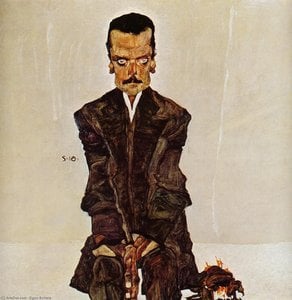
Huile sur toile peinte à la main, avec cadre et dimensions personnalisés, réalisée sur commande par nos artistes. ( Commander l'impression Acheter l'image haute résolution)





























Choisissez parmi nos formats prédéfinis qui respectent les proportions originales de l’œuvre.

Vous pouvez saisir vos propres dimensions pour l'adapter à un cadre ou à un espace spécifique. Si la taille sélectionnée ne correspond pas aux proportions de l'image d'origine, nous recadrerons l'œuvre ou prolongerons la peinture avec des éléments peints à la main supplémentaires. Une maquette numérique vous sera envoyée pour approbation avant le début de la production.
Veuillez noter que l'aperçu à l'écran ne reflète pas le recadrage ou l'extension réels. Seule la maquette montrera fidèlement la composition finale.
Bien que des tailles personnalisées soient disponibles, nous vous recommandons de sélectionner une dimension dans la liste prédéfinie afin de préserver les proportions d'origine.
Livraison dans le monde entier () en 3 à 4 semaines au lieu des 5 semaines habituelles. (7 septembre). Aucun compromis sur la qualité.


Squatting Woman
Format de la reproduction
Egon Schiele's “Squatting Woman,” created in 1919, is not merely a depiction of a figure; it’s a raw, intensely psychological portrait born from the artist’s profound exploration of human fragility. This black-and-white drawing, executed with a masterful command of line and shadow, immediately confronts the viewer with an image of arresting vulnerability – a woman in a squatting position that speaks volumes about isolation, introspection, and perhaps even a surrender to unseen forces. The work's power resides not in idealized beauty but in its unflinching portrayal of human emotion, firmly rooted within Schiele’s signature Expressionist style.
Executed entirely in monochrome – shades of black, grey, and white – “Squatting Woman” exemplifies Schiele’s commitment to stripping away superficial beauty and revealing the raw core of human experience. The stark contrast between dark outlines and lighter areas creates a dramatic effect, emphasizing form and volume while simultaneously contributing to the work's unsettling atmosphere. Schiele deliberately distorted the figure’s proportions – elongated limbs, exaggerated features – aligning with the tenets of Expressionism, where subjective emotion takes precedence over objective representation.
Created in 1919, “Squatting Woman” reflects a period of intense personal struggle for Schiele. His early life was marked by tragedy – the death of his father from syphilis at a young age profoundly shaped his artistic vision. This preoccupation with mortality and human vulnerability is powerfully evident in this drawing. The work speaks to themes of sexuality, isolation, and the precariousness of existence—recurring motifs throughout Schiele’s oeuvre. The presence of the background figures adds another layer of complexity, hinting at a narrative or psychological context that invites speculation and deeper engagement.


1890 - 1918 , Croatie

Elevate your most cherished memories with WahooArt’s bespoke service. We transform your personal photos into breathtaking, hand-painted black & white oil masterpieces. Experience museum-quality craftsmanship and timeless elegance for your private collection. Discover the art of legacy.

Explore the profound artistry of black and white photography. From historical mastery to the interplay of light and shadow, discover how monochrome captures timeless emotion and form through a sophisticated lens of art history.

 Aperçu en situation
 Envoyer
 Partager
 Détails de l'œuvre

 Télécharger
 Articles similaires
 Radiographie
 Diaporama


 Lire la suite







 L'option verre n'est disponible que pour les dimensions inférieures à 110 cm.