CONSEIL EN ART GRATUIT

x
Commander l'impression Commander l'impressionAcheter l'image haute résolution Acheter l'image haute résolution PartagerPartager
DétailsDétails Ajouter aux favoris Ajouter aux favoris TéléchargerTélécharger Articles similairesArticles similaires RadiographieRadiographie DiaporamaDiaporama

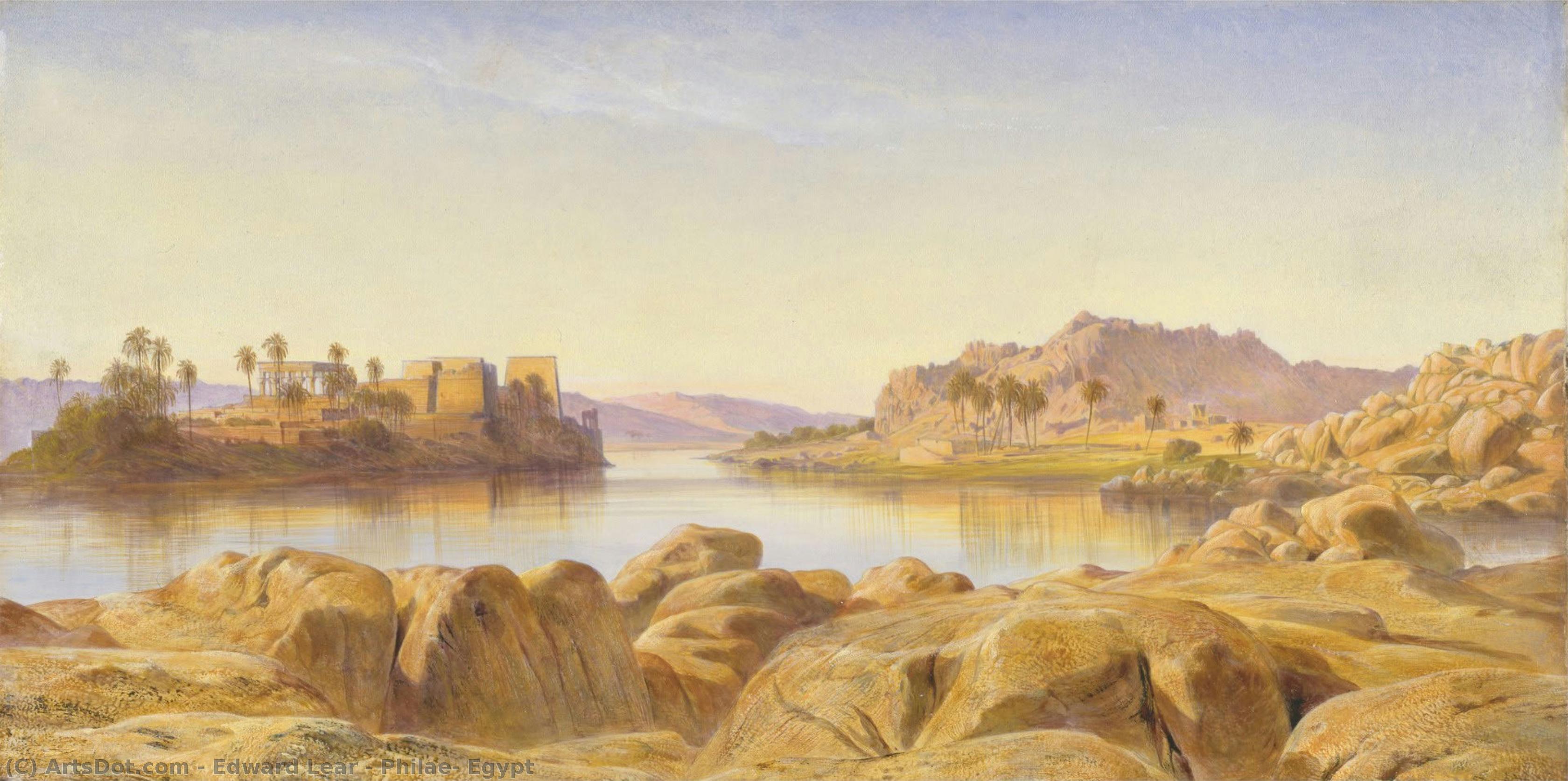
Philae, Egypt

Edward Lear's "Philae, Egypt, 1863" captures a serene landscape of ancient Egypt with mountains and water. A beautiful oil painting by the whimsical artist, showcasing his unique style.

Découvrez Edward Lear (1812-1888), artiste & poète anglais ! Paysages vibrants, vers nonsense comme 'Le Chat et l'Hibou', illustrations d'oiseaux. Un innovateur victorien unique !

Reproduction à l'huile faite à la main

Huile sur toile peinte à la main, avec cadre et dimensions personnalisés, réalisée sur commande par nos artistes.

P118B $10
P118H $10
P118W $10
P438Z $10
P508JH $12
P508YH $12
P805H $10
P805Z $10
P919BZ $10
P919G $10
P919XJ $10
P959ZH $10
P968JZ $12
W106C $8
W218G $10
W218JH $8
W218Y $10
W307PJ $10
W316G $10
W316PJ $8
W316Y $10
W398PJ $8
W4111J $10
W500HY $15
W500JH $15
W692G $12
W849H $8
W940BG $15
W953PJ $8

Standard
custom
CM
INCH

Choisissez parmi nos formats prédéfinis qui respectent les proportions originales de l’œuvre.

largeur
hauteur

Vous pouvez saisir vos propres dimensions pour l'adapter à un cadre ou à un espace spécifique. Si la taille sélectionnée ne correspond pas aux proportions de l'image d'origine, nous recadrerons l'œuvre ou prolongerons la peinture avec des éléments peints à la main supplémentaires. Une maquette numérique vous sera envoyée pour approbation avant le début de la production.
Veuillez noter que l'aperçu à l'écran ne reflète pas le recadrage ou l'extension réels. Seule la maquette montrera fidèlement la composition finale.
Bien que des tailles personnalisées soient disponibles, nous vous recommandons de sélectionner une dimension dans la liste prédéfinie afin de préserver les proportions d'origine.

Exemples de personnalisation : remplacer un visage par la photo du client ; ajouter un animal de compagnie (par exemple, remplacer un chat par un chien) ; inclure un message caché en arrière-plan ; modifier le paysage ou les éléments de l'arrière-plan.
Après la commande, l’équipe WahooArt.com contactera le client par e-mail pour obtenir ses instructions et lui fournira une maquette d’aperçu.

Livraison dans le monde entier () en 3 à 4 semaines au lieu des 5 semaines habituelles. (2 juillet). Aucune concession sur la qualité.

why_choose_icon
Livraison express gratuite dans le monde entier
why_choose_icon
Toile de lin de haute qualité
why_choose_icon
Assurance transport complète
why_choose_icon
Garantie de remboursement des frais de douane
why_choose_icon
Garantie de fidélité des couleurs
why_choose_icon
Politique de retour de 60 jours (uniquement en cas de défaut)
why_choose_icon
Garantie de remboursement à 100%
why_choose_icon
Réduction sur les achats groupés

Prix total

-

reproduction

Philae, Egypt

Technique de reproduction

Format de reproduction

-

Prix total final

-

En bref

  • Location: Yale Center for British Art
  • Title: Philae, Egypt
  • Artistic style: Landscape painting
  • Dimensions: 27 x 53 cm
  • Artist: Edward Lear
  • Subject or theme: Egyptian scenery
  • Medium: Oil on canvas

Quiz d'art

Chaque question ne comporte qu'une seule bonne réponse.

Question 1:
What is the primary subject depicted in the painting "Philae, Egypt"?
Question 2:
In what year was the painting "Philae, Egypt" created?
Question 3:
Who is the artist responsible for creating the painting "Philae, Egypt"?
Question 4:
What type of landscape is most prominently featured in the painting?
Question 5:
Based on the description, what is a key characteristic of Edward Lear's artistic style?

Description de l'œuvre

A Vision of Ancient Egypt: Edward Lear’s “Philae, Egypt, 1863”

Edward Lear's "Philae, Egypt, 1863" isn’t merely a landscape painting; it’s a portal. A meticulously rendered vista of the ancient Egyptian island city of Philae, nestled within the embrace of a vast, shimmering lake, it invites us to step back in time and experience the serenity and grandeur of this once-sacred site. The scene unfolds with a quiet dignity – a majestic mountain range dominates the background, its peaks softened by atmospheric haze, while a sprawling body of water reflects the sky above, creating an illusion of infinite depth. Scattered across the foreground are figures—likely travelers or locals—adding a subtle human element to this otherwise timeless tableau. Lear’s choice of palette is masterful; he employs muted blues and greens for the water, contrasted with earthy ochres and browns for the mountains and surrounding landscape. This restrained color scheme doesn't diminish the scene's beauty; rather, it enhances its sense of realism and evokes a feeling of distant memory.

The painting’s historical context is crucial to understanding its emotional resonance. Philae, dedicated to the goddess Isis, held immense religious significance for centuries. By the 19th century, however, much of the island complex had fallen into disrepair and was threatened by rising waters from the Aswan Dam project. Lear's depiction, created just a few years before the dam’s completion, captures a fleeting moment in time—a testament to the beauty that was about to be lost. It speaks to a poignant awareness of cultural heritage and the inevitable passage of history.

The Delicate Brushwork: A Study in Watercolor Technique

Lear's distinctive style is immediately recognizable through his delicate, almost translucent watercolor technique. He eschews bold outlines and heavy brushstrokes, instead favoring subtle gradations of color and washes that create a sense of atmospheric perspective. The mountains, for instance, are rendered with layers of pale blue and grey, suggesting distance and the play of light on their surfaces. The water’s surface is treated with a shimmering quality—a series of broken strokes and diluted pigments that capture its fluidity and reflectivity. This meticulous attention to detail, combined with his mastery of color, results in an image that feels both incredibly detailed and remarkably ethereal.

He employed a technique known as ‘wet-on-wet,’ applying wet paint onto a still-damp surface, allowing the colors to bleed and blend together organically. This created soft edges and diffused tones, contributing significantly to the painting’s dreamlike quality. The layering of washes is particularly evident in the depiction of the distant mountains, where faint outlines gradually fade into the hazy background.

Symbolism and a Sense of Isolation

Beyond its purely representational qualities, “Philae, Egypt, 1863” carries layers of symbolic meaning. The vastness of the landscape—the towering mountains and expansive water—evokes a sense of human insignificance in the face of nature’s grandeur. The scattered figures in the foreground serve as reminders of our connection to the past, yet their isolation suggests a feeling of detachment from this ancient world. Lear himself was known for his introspective nature and fascination with solitude; these themes resonate deeply within the painting.

Furthermore, the island itself—a sanctuary dedicated to Isis, a powerful goddess associated with magic, motherhood, and protection—hints at a deeper spiritual significance. The scene can be interpreted as a meditation on faith, memory, and the enduring power of ancient traditions. The inclusion of figures enjoying the view suggests an appreciation for beauty and tranquility, values that seem timeless and universal.

A Legacy of Wonder: Reproductions and Artistic Inspiration

Reproductions of “Philae, Egypt, 1863” offer a remarkable opportunity to experience Lear’s artistic vision firsthand. Whether displayed in a grand salon or a cozy study, this painting evokes a sense of wonder and invites contemplation. Its delicate beauty and evocative atmosphere make it an ideal choice for collectors seeking pieces that are both visually stunning and intellectually stimulating. The painting's enduring appeal lies not only in its technical mastery but also in its ability to transport us to another time and place—a world of ancient mysteries, breathtaking landscapes, and the quiet contemplation of human existence.

Œuvres apparentées


Biographie de l'artiste

Premières années et carrière

Edward Lear, un artiste, illustrateur, musicien, auteur et poète anglais renommé, est né le 12 mai 1812 à Holloway, dans le nord de Londres. En tant que avant-dernier d'une famille de 21 enfants, la vie de Lear a été marquée par un début de carrière précoce dès l'âge de 15 ans. Son père, Jeremiah Lear, courtier en bourse, a rencontré des difficultés financières après les guerres napoléoniennes, ce qui a entraîné une réduction des finances familiales et le besoin pour Lear de se soutenir financièrement dès son plus jeune âge.

Contributions artistiques

Lear a apporté des contributions artistiques multiples :
  • Illustrations d'oiseaux et d'animaux : Employé par la Zoological Society, les premiers travaux de Lear ont mis en valeur ses compétences dans l'illustration d'oiseaux et d'animaux.
  • Peinture de paysage : Après ses voyages considérables à travers l'Europe et l'Asie, Lear s'est consacré à la peinture de paysage, capturant l'essence de ces régions dans ses œuvres.
  • Auteur et poète : La renommée de Lear repose sur sa poésie absurde, ses limericks et ses vers humoristiques, comme on le voit dans ses livres "A Book of Nonsense" (1846), "Nonsense Songs" (1871) et "Laughable Lyrics" (1877).
  • Compositions musicales : Lear a composé des mélodies pour la poésie d'Alfred Tennyson, avec douze œuvres publiées.

Œuvres notables et héritage

Parmi les œuvres les plus notables de Lear figurent :

Musées et collections

Les œuvres de Lear peuvent être trouvées dans divers musées, notamment :
  • The Ashmolean Museum, Oxford, qui présente sa peinture à l'huile "The Plains of Lombardy from Monte Generoso".
  • D'autres collections et musées notables présentant les œuvres de Lear peuvent être trouvés dans la base de données étendue de WahooArt.com.

Conclusion

L'héritage d'Edward Lear témoigne de son approche innovante de l'art, combinant humour, poésie absurde et peinture de paysage. Son influence sur le monde de l'art et de la littérature reste inégalée, ses œuvres continuant à inspirer les nouvelles générations. Découvrez davantage d'œuvres d'Edward Lear sur WahooArt.com En savoir plus sur Edward Lear sur Wikipédia
Edward Lear

Edward Lear

1812 - 1888 , Royaume-Uni

En bref

  • Artistic Movement Or Style: Nonsense, paysage
  • Date Of Birth: 12 mai 1812
  • Date Of Death: 1888
  • Full Name: Edward Lear
  • Nationality: Britannique
  • Notable Artworks:
    • Le hibou et la puss”,
    • Le nez lumineux”,
    • Illustrations de perroquets”
  • Place Of Birth (City And Country): Londres, Royaume-Uni
Explorez des œuvres d'art classées par thèmes, styles et caractéristiques.