


Impressions giclées ou sur toile de qualité musée, avec une production rapide et des finitions au choix. ( Commander la reproduction peinte à la main Acheter l'image haute résolution)





























Choisissez parmi nos formats prédéfinis qui respectent les proportions originales de l’œuvre.

Vous pouvez saisir vos propres dimensions pour vous adapter à un cadre ou à un espace spécifique. Si la taille sélectionnée ne correspond pas aux proportions de l'image originale, nous recadrerons l'œuvre ou étendrons l'image avec une bordure en miroir ou une couleur unie. Une maquette numérique vous sera envoyée pour approbation avant le début de la production.
Veuillez noter que l'aperçu à l'écran ne reflète pas le recadrage ou l'extension réelle. Seule la maquette montrera avec précision la composition finale.
Bien que des tailles personnalisées soient disponibles, nous vous recommandons de choisir une dimension dans la liste prédéfinie afin de préserver les proportions originales.
Livraison dans le monde entier () en 2 semaines au lieu des 4/5 semaines habituelles. (7 septembre)


The Beautiful Grocer
Format de la reproduction
In the evocative realm of Amedeo Modigliani’s oeuvre, few works capture the delicate tension between domesticity and profound introspection as beautifully as The Beautiful Grocer. The painting presents a woman seated with a grace that feels both grounded and ethereal, her gaze subtly averted from the viewer as if lost in a private moment of contemplation. This seemingly simple pose belies a deep emotional complexity, inviting anyone who stands before it to ponder the hidden inner life of the subject. Surrounded by an intimate arrangement of chairs and a distant bench that anchors the scene within a domestic setting, the composition creates a balanced yet poignant tableau. The woman, with her striking red hair and the stark contrast of a white apron against a dark dress, becomes a focal point of quiet strength amidst a world of muted tones.
Modigliani’s distinctive hand is unmistakable in every stroke of this masterpiece. Utilizing his signature style, he employs elongated figures and simplified forms that lend the subject a rhythmic, lyrical quality. The artist’s use of almond-shaped eyes—a hallmark of his technique—serves to strip away the superficial, directing the viewer toward a more spiritual understanding of the sitter. Through a palette dominated by earthy ochres and deep browns, Modigliani achieves an atmospheric luminescence that feels both warm and melancholic. The application of thick, textured impasto brushstrokes adds a tactile richness to the canvas, emphasizing the contours of the woman's face and torso, subtly conveying a sense of vulnerability and human fragility that is central to his artistic vision.
Created in 1917, during a period of Parisian exile marked by both personal turmoil and intense artistic experimentation for Modigliani, The Beautiful Grocer reflects the broader currents of Cubism and Expressionism. Yet, where many of his contemporaries sought to deconstruct reality into geometric fragments, Modiglianni chose a path of stylized representation to prioritize emotional truth. This period of his life, characterized by a search for identity amidst the chaos of war and personal hardship, is etched into the very fabric of the painting. The subject's averted gaze acts as a powerful symbol of introspection and unspoken longing, themes that resonated deeply within the bohemian circles of early 20th-century Paris.
For the discerning collector or interior designer, this work offers more than mere decoration; it provides a window into the human soul. The subtle interplay of light and shadow, combined with the symbolic weight of the subject's contemplative expression, makes the piece an extraordinary addition to any curated space. Whether placed in a contemporary gallery setting or a classic study, a high-quality reproduction of this painting brings with it an aura of sophisticated melancholy and timeless beauty. It is a piece that does not merely occupy a wall but commands the atmosphere of a room, inspiring conversation and deep reflection through its masterful blend of technique, history, and raw emotion.


1884 - 1920 , Italie

Discover the breathtaking allure of Art Deco. Explore the era's iconic geometry, legendary designers like Erté, and timeless glamour. Perfect for discerning collectors seeking to infuse their spaces with sophisticated modernist elegance and historical prestige.
Discover the allure of Art Deco through a curated guide to its most iconic masterpieces. Explore the elegance of Erté and the innovation of Jean Dunand, perfect for collectors seeking timeless glamour and sophisticated design inspiration.
Discover the allure of Art Deco style with our expert guide to luxury interiors. Explore iconic influences from Erté to Jean Dunand and learn to curate a sophisticated space filled with timeless glamour and geometric elegance.

Discover the unparalleled elegance of Art Deco through the lens of Erté. Explore a masterclass in linear precision, theatrical costume design, and high-fashion illustration that continues to define modern luxury and sophisticated interior aesthetics.
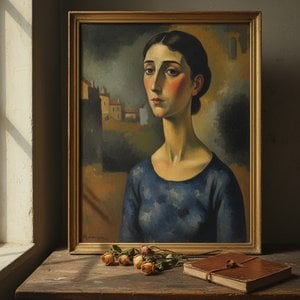
Delve into the haunting beauty of Amedeo Modigliani's portraits. Explore the intersection of Expressionism and Modernism through an expert analysis of his iconic elongated forms, melancholic gazes, and profound influence on art history.

 Aperçu en situation
 Envoyer
 Partager
 Détails de l'œuvre

 Télécharger
 Articles similaires
 Radiographie
 Diaporama

 Lire la suite







 L'option verre n'est disponible que pour les dimensions inférieures à 110 cm.


