x
Aperçu en situationAperçu en situation Visualiser en RAVisualiser en RA Commander l'impression Commander l'impressionCommander la reproduction peinte à la main Commander la reproduction peinte à la main EnvoyerEnvoyer
Détails de l'œuvreDétails de l'œuvre Ajouter aux favoris Ajouter aux favoris TéléchargerTélécharger Articles similairesArticles similaires RadiographieRadiographie DiaporamaDiaporama

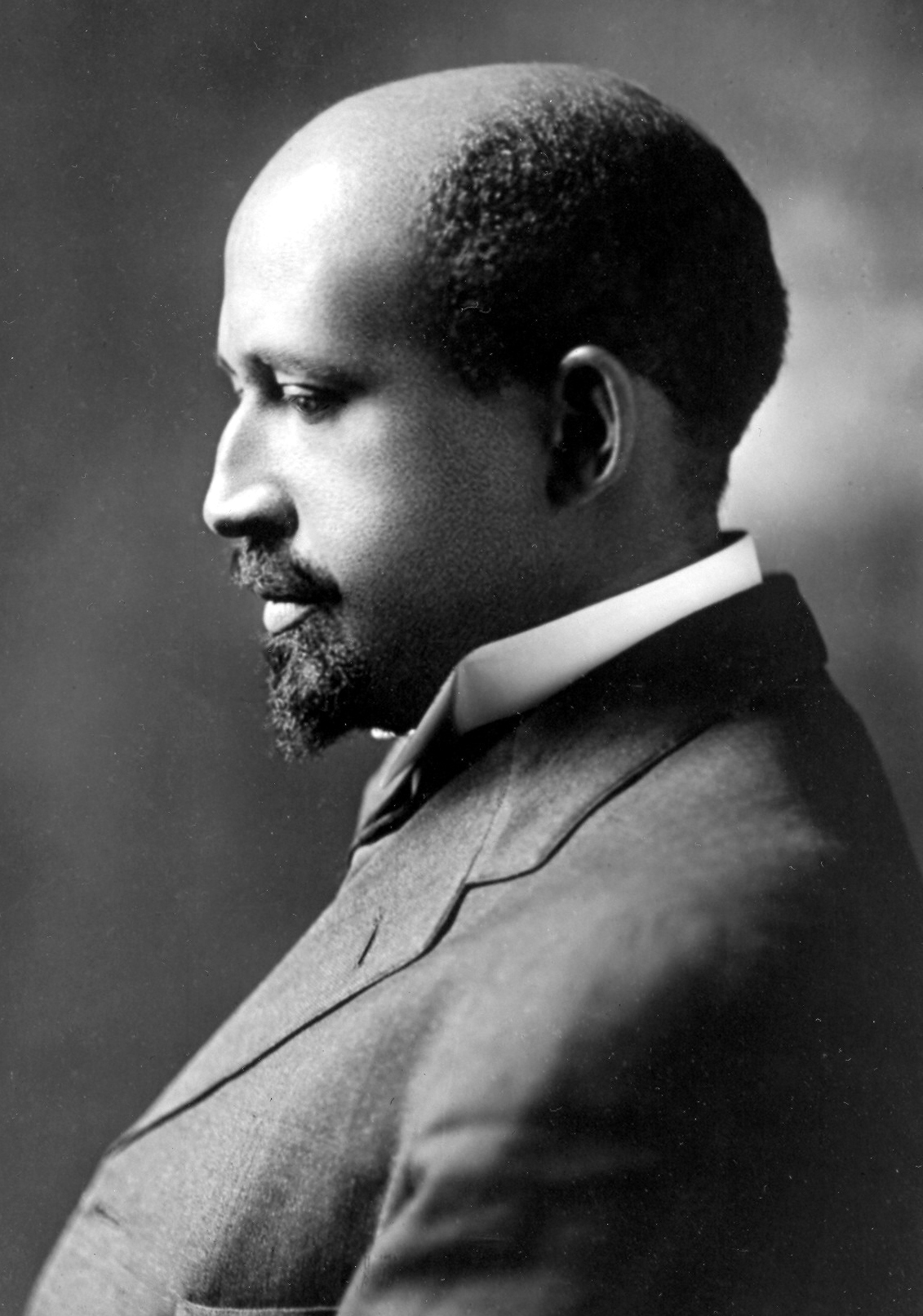
W. E. B. Du Bois

Experience W.E.B. Du Bois's portrait by Addison Scurlock – a pivotal image capturing the essence of Black Washington and the fight for civil rights. A stunning gelatin silver print.

Découvrez Addison N. Scurlock (1883-1964), photographe pionnier documentant l'histoire et la culture de Black Washington. Explorez ses portraits de Du Bois et plus encore sur WahooArt ! #photography #AfricanAmericanHistory

Acquérez une image numérique haute résolution et optimisée, d'une qualité bien supérieure à l'aperçu en ligne.

Chaque fichier est méticuleusement préparé par nos spécialistes internes à l'aide d'outils avancés et d'une retouche manuelle experte. Nous garantissons que chaque image possède une clarté exceptionnelle, une précision des couleurs irréprochable et un niveau de détail fin.

Le fichier final est livré par e-mail sous 72 heures, optimisé pour une utilisation immédiate dans des contextes professionnels, éditoriaux et d'impression. Il offre la même qualité de confiance que celle utilisée par les plus grands studios de création, éditeurs et galeries.

Image numérique

Téléchargez un fichier haute résolution pour votre usage personnel, l'impression et vos projets créatifs. (Commander l'impression Commander l'impressionCommander la reproduction peinte à la main Commander la reproduction peinte à la main)

Prix total

$ 24,90

Inclus avec chaque commande d'image numérique

Livraison numérique experte, garantie.

En choisissant WahooArt.com, vous n'obtenez pas seulement une simple image : vous recevez une œuvre numérique sublimée avec professionnalisme, conçue avec précision et accompagnée d'une garantie de satisfaction. Voici tout ce qui accompagne automatiquement votre commande :

shipping_icon
Envoi rapide par e-mail

Votre fichier d'image numérique haute résolution vous sera envoyé par e-mail sous 72 heures après votre commande — prêt à un usage immédiat.

canvas_icon
Fichier numérique optimisé par l'IA

Votre œuvre d'art bénéficie d'une optimisation professionnelle grâce à des outils d'IA avancés et une retouche manuelle, garantissant un niveau maximal de détail, de clarté et de fidélité chromatique.

insurance_icon
Réexpédition gratuite à vie

Vous avez accidentellement supprimé ou perdu votre fichier ? Pas d'inquiétude — nous vous le renverrons gratuitement, quand vous le souhaitez.

tax_icon
Aucuns frais de douane — À jamais

Profitez de votre œuvre d'art instantanément sans frais de douane ni de livraison — les téléchargements numériques sont toujours exonérés de taxes.

color_icon
Garantie de fidélité des couleurs

Nous garantissons que votre image numérique reproduit les couleurs de l'original aussi fidèlement que possible grâce à des outils professionnels et une gestion rigoureuse des couleurs.

return_icon
Garantie satisfaction 60 jours

Si vous n'êtes pas satisfait de votre image numérique, nous la retoucherons ou vous rembourserons 100% sous 60 jours — sans poser de questions.

guarantee_icon
Garantie de remboursement à 100%

Pas satisfait ? Obtenez un remboursement intégral dans les 60 jours suivant la réception de votre fichier numérique — sans aucune question posée.

discount_icon
Réductions sur les commandes groupées

Achetez 3 images, économisez 10% - Achetez 5, économisez 15% - Achetez 10+, économisez 20%. Idéal pour les projets créatifs, les galeries et les agences.

Informations clés

  • Dimensions: 34 x 41 cm
  • Year: 1911
  • Subject or theme: African American intellectual
  • Artistic style: Black and white photography
  • Notable elements: Portrait of Du Bois
  • Influences: Early 20th century photography
  • Title: W. E. B. Du Bois

Quiz d'art

Chaque question ne comporte qu'une seule bonne réponse.

Question 1:
What is the primary subject of W. E. B. Du Bois’s portrait?
Question 2:
In what year was the photograph of W. E. B. Du Bois taken?
Question 3:
Who is the artist responsible for creating the portrait of W. E. B. Du Bois?
Question 4:
What was Addison N. Scurlock’s primary focus in his photographic work?
Question 5:
The photograph utilizes which photographic process?

The Weight of the Color Line: Addison N. Scurlock’s Masterpiece

Addison Norton Scurlock's 1911 photograph of W. E. B. Du Bois stands as more than just a portrait; it is a meticulously crafted document of an era, a visual embodiment of the complex social and intellectual currents shaping early 20th-century America. The image captures Du Bois not merely as a prominent scholar and activist, but as a man wrestling with the profound “double consciousness” – a term he himself coined – that defined the Black experience in a nation grappling with its own identity. Scurlock’s skill lies not just in his technical proficiency, but in his ability to subtly convey the weight of this historical burden through composition, light, and the very gaze of the subject.

W. E. B. Du Bois by Addison N. Scurlock

(Image courtesy of Smithsonian Archives)

A Window into Washington’s Black Community

Scurlock's work was deeply rooted in the vibrant, yet often overlooked, community of African Americans in Washington D.C. during this period. He wasn’t simply a portraitist; he was an active participant in documenting the daily lives, cultural expressions, and political aspirations of Black Washingtonians. His studio became a central hub, a place where families sought dignified portraits – a tangible assertion of their presence and identity within a society that frequently denied them recognition. The photograph itself reflects this community engagement, hinting at a setting beyond the formal studio, suggesting a moment captured in a more relaxed, intimate environment.

The backdrop, though subtly rendered, speaks volumes about the era. It’s not a grand cityscape or an opulent interior; instead, it suggests a quiet street scene – a deliberate choice that anchors Du Bois within his immediate context and highlights his connection to the everyday realities of Black life in Washington.

Technical Mastery and Photographic Language

Scurlock's mastery is evident in the photograph’s nuanced details. The use of black and white gelatin silver print lends a timeless quality, with subtle tonal variations creating depth and texture. Note the careful control of light – it illuminates Du Bois’s face, drawing attention to his thoughtful expression while leaving the background softly shadowed. This technique emphasizes the subject's presence without overwhelming him. The composition is carefully balanced; Du Bois’s posture conveys a sense of quiet contemplation, while his slightly turned head invites the viewer into his thoughts.

Furthermore, Scurlock’s use of photographic techniques—particularly in capturing the subtle nuances of expression—demonstrates an understanding that went beyond mere documentation. He was striving to create a portrait that resonated with both intellectual and emotional depth.

Symbolism and the “Double Consciousness”

Du Bois's gaze, directed slightly off-camera, is particularly significant. It’s not a direct, confrontational stare; rather, it suggests introspection and a considered awareness of his position within American society. This subtle shift in focus powerfully embodies the concept of "double consciousness" – the feeling of always looking at oneself through the eyes of others, as articulated by Du Bois himself. The photograph becomes a visual representation of this internal struggle: the simultaneous experience of being both an African American and an American citizen.

The image serves as a poignant reminder of the challenges faced by Black intellectuals during this period – the constant need to navigate racial prejudice while striving for social justice and intellectual advancement. Scurlock’s photograph is not simply a portrait; it's a powerful testament to Du Bois’s legacy and the enduring significance of his ideas.


Biographie de l'artiste

Early Life and Career

Addison N. Scurlock, born in Fayetteville, North Carolina in 1883, embarked on a remarkable photographic journey that would profoundly shape his legacy and contribute significantly to documenting Black Washington during the formative years of the twentieth century. His upbringing instilled within him a deep appreciation for visual storytelling and observation—qualities that would prove invaluable as he pursued his artistic ambitions. Following his father’s footsteps as an attorney, Scurlock initially explored legal pursuits before recognizing his innate talent for photography. Recognizing the burgeoning potential of this medium to capture moments in time and convey narratives visually, he transitioned into a career dedicated to documenting African American life within Washington D.C., a city undergoing rapid transformation during this era. A pivotal moment arrived when he apprenticed under Moses P. Rice, a respected white photographer who established a studio on Pennsylvania Avenue—a location strategically positioned at the heart of Black Washington’s burgeoning theater district. This apprenticeship provided him with foundational knowledge in photographic technique and laboratory practices, equipping him to hone his craft and pursue independent artistic endeavors. In 1907, Scurlock achieved considerable acclaim when he secured a photography gold medal at the Jamestown Exposition—a testament to his dedication and skill. This recognition propelled him into the spotlight and solidified his reputation as an emerging talent within the photographic community. By 1911, he established Scurlock Photographic Studio on U Street, furthering his commitment to serving Black Washington’s artistic and cultural landscape.

Notable Works

Scurlock's artistic vision centered around capturing the essence of African American life—a mission that resulted in a prolific output of photographs showcasing individuals, events, and landscapes integral to Black Washington’s history. Among his most celebrated achievements were portraits of influential figures such as W.E.B. Du Bois, whose image remains an iconic representation of intellectual leadership during the Progressive Era. Furthermore, Scurlock meticulously documented daily life within Black Washington—capturing scenes from theaters, schools, and community gatherings—providing invaluable visual records that illuminate the social dynamics of the time. His photographs extended beyond mere documentation; they possessed a stylistic elegance characterized by careful lighting, thoughtful posing, and subtle retouching techniques—demonstrating his mastery of photographic artistry. His subjects included educators like Booker T. Washington and Mary McLeod Bethune, composer Samuel C. Taylor, engineer Archie Alexander, political leader W.E.B Du Bois, Lillian Evans Tibbs, Sterling Brown, Charles Hamilton Houston, and many others who played crucial roles in shaping Black American culture and identity. Notably, he photographed Marian Anderson singing at the Lincoln Memorial in 1939—a moment of profound significance that captured the spirit of civil rights activism during the Great Depression.

The Scurlock Studio Legacy

Addison N. Scurlock’s enduring contribution to photography transcends individual artworks; it resides in the establishment and sustained operation of his studio, which served as a cornerstone of Black Washington's artistic community for over six decades. His sons George and Robert Scurlock continued his family’s tradition—expanding the studio’s reach and furthering its mission of documenting Black life through visual storytelling. The Scurlock Studio became renowned for its portraits of prominent African Americans, capturing their dignity and sophistication with meticulous attention to detail. Its reputation grew throughout the nation as a symbol of artistic excellence and cultural preservation—a legacy that continues to inspire photographers today. The studio’s location on U Street—the heart of Black Washington’s theater district—provided it with an ideal setting for fostering connections within the community and documenting its vibrant culture.

Influence and Historical Significance

Addison N. Scurlock's influence extended beyond his immediate artistic output; he served as a mentor to aspiring photographers, particularly those from underrepresented communities—promoting diversity and inclusivity within the field of visual arts. His photographs offer a unique perspective on American history—illuminating the social and cultural landscape of Black Washington during a period marked by significant progress toward racial equality. His work stands as a testament to the importance of preserving historical narratives through visual media—demonstrating how photography can serve as a powerful tool for documenting experiences and fostering understanding across cultures. Addison N. Scurlock’s legacy continues to resonate today—inspiring artists to embrace storytelling and champion representation in their creative endeavors.
Addison N. Scurlock

Addison N. Scurlock

1883 - 1964 , États-Unis

En bref

  • Artistic Movement Or Style: Photographie documentaire
  • Date Of Birth: 1883
  • Full Name: Addison N. Scurlock
  • Nationality: Américain
  • Notable Artworks: ['W. E. B. Du Bois']
  • Place Of Birth: Fayetteville, États-Unis