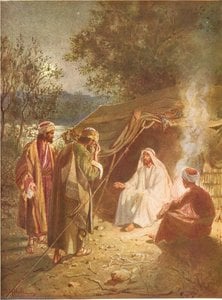
William Brassey Hole: Elämä ja taide
Varhaiset vuodet ja koulutus
- Syntynyt: Salisbury, Yhdistynyt kuningaskunta (1846)
- Kuollut: 1917
- William Brassey Holen varhaisvuosia leimasi tragedia. Hänen isänsä, tohtori Richard Hole, menehtyi koleraepidemian uhriksi vuonna 1849, kun William oli vasta kolme vuotta vanha.
- Isän kuoleman jälkeen perhe muutti Skotlannin Edinburghiin.
- Hän suoritti koulutuksensa Edinburgh Academyssa ja teki myöhemmin viisivuotisen oppisopimuksen rakennusinsinöörinä – polkua, jota hän seurasi vastentahtoisesti kantaen sisällään voimakasta halua tulla taiteilijaksi.
Taiteellinen kehitys ja vaikutteet
- Varhaiset matkat: Vuonna 1869 Hole lähti kuuden kuukauden luonnostelumatkalle Italiaan, aloittaen Genovasta. Tästä matkasta tuli ratkaiseva tekijä hänen taiteellisten pyrkimystensä vahvistumisessa.
- Keskeinen vaikutus: Roomassa hän tapasi Keeley Halswellen, joka antoi korvaamatonta käytännön neuvoa ja kriittistä palautetta, mikä rohkaisivat häntä tavoittelemaan ammattimaista maalaustaitoa.
- Palattuaan Edinburghiin Hole opiskeli School of Design -koulussa ja pääsi vuonna 1873 Royal Scottish Academyn mallikuvakouluun.
- Hänet valittiin akatemian jäseneksi vuonna 178, ja myöhemmin hän saavutti täyden jäsenyyden (RSA).
- Hole liittyi myös Royal Society of Painters-Etchers -seuraan (RE) vuonna 1885, sen jälkeen kun hän oli jo liittynyt Royal Scottish Watercolour Societyyn (RSW) vuonna 1884.
Taiteellinen tyyli ja teemat
- Erikoistuminen: Hole erikoistui maalaamaan teollisia kohtauksia, historiallisia tapahtumia ja raamatullisia kertomuksia.
- Skotlantilainen painotus: Vaikka hän oli syntyperältään englantilainen, hän omisti suuren osan energiastaan skotlantilaisten kansallisten aiheiden ja tarkoitusten kuvaamiseen.
- Huomattavat teemat: Hänen työnsä tutki usein teollisuutta, historiaa, uskoa ja tavallisten ihmisten elämää, erityisesti Skotlän länsirannikon kalastajia.
- Hän oli mestarillinen etsijä, ja kriitikot ylistivät hänen kykyään siirtää väriä ja siveltimen jälkeä tähän tekniikkaan.
Merkittävät teokset ja saavutukset
- Keskeiset maalaukset: Hänen tärkeimpiin maalauksiinsa kuuluvat muun muassa ”End of the '45” (1879), ”Prince Charlie's Parliament” (1882), ”If thou hadst known” (1885) ja ”The Canterbury Pilgrims” (1889).
- Länsirannikon sarja: Hänen kalastajamaalauksensa, kuten "The Night’s Catch" ja "The Fill of the Two Boats", saivat suurta tunnustusta.
- Friisi Scottish National Portrait Galleryyn (1898): Hän maalasi pitkän friisin, joka esitti yli 150 hahmoa Skotlannin historiasta, mikä katsotaan merkittäväksi saavutukseksi seinämaalauksessa.
- Raamatulliset kuvitukset: Noin vuonna 1900 hän matkusti Palestiinaan tutkiakseen taustoja raamatullisille maalauksilleen. Tämä johti 80 akvarelin luomiseen, joita käytettiin kuvituksina hänen kirjassaan ”The Life of Jesus of Nazareth”.
- Hän teki myös historiallisia maalauksia Edinburgh City Chambersiin sekä kirkollisia koristeita muihin rakennuksiin.
- Kuvittaja: Hole kuvitti Robert Louis Stevensonin, J.M. Barrien ja Robert Burnsin teoksia.
Historiallinen merkitys ja perintö
- William Brassey Holen työt tarjoavat arvokkaita näkymiä 1800-luvun skotlantilaiseen elämään, teollisuuteen ja uskonnollisiin uskomuksiin.
- Tyylilajien yhdistely: Hän onnistui yhdistämään historiallisen tarkkuuden ja taiteellisen herkkyyden luoden maalauksiinsa mukaansatempaavia kertomuksia.
- Etsijämestaruus: Hänen etsivänsä ovat edelleen arvostettuja teknisen taitonsa ja ilmaisullisen laatunsa vuoksi.
- Holen panos skotlantilaiselle taiteelle ja kulttuurille on tunnustettu hänen teostensa kautta, joita esitellään merkittävissä instituutioissa ja kokoelmissa.
Kysymykset ja vastaukset
Mistä voin nähdä William Brassey Hole'n teokset aikajärjestyksessä?
William Brassey Hole:n teoksista on saatavilla aikajana: taiteilijan Teosten aikajana -sivulla teokset on järjestetty luomisjärjestykseen.
Voinko lajitella William Brassey Hole teokset värin mukaan?
William Brassey Hole -taiteilijan Väriindeksi on sivu, joka järjestää taiteilijan teokset niiden värien mukaan.
Mistä William Brassey Hole on kotoisin?
William Brassey Hole on syntynyt Iso Britannia.