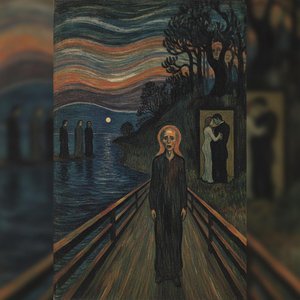
Will Barnet: Elämä omistettuna hiljaiselle havainnoinnille ja minimalistiselle ilmaisulle
Will Barnet (1911–2012) seisoo ainutlaatuisena hahmona amerikkalaisessa maalaustaiteessa, tullen tunnetuksi omaperäisestä abstraktiosta, jota leimaavat seesteiset sävypaletit, huolellisesti harkitut sommitelmat ja vääjäämätön keskittyminen ihmishahmoon hillityllä eleganssilla. Barnetin taiteellinen matka sai alkunsa varhain Massachusettsin Beverly Hillsissä, syvän taideinnostuksen ja merkittävän kohtaamisen John Singer Sargentin freskojen äärellä Boston Public Libraryssa myötä. Tämä varhainen altistuminen mestarilliselle havainnoinnille muovasi hänen esteettistä herkkyyttään syvästi ja ohjasi häntä läpi hänen hedelmällisen uransa.- Varhaiset vuodet ja koulutus: Barnetin isä työskenteli koneistajana kenkätehtaalla. Taiteilija osoitti poikkeuksellista lahjakkuutta piirtämisessä jo lapsuudesta lähtien ja suoritti muodollisen taidekoulutuksensa Bostonin School of the Museum of Fine Artsissa, hioen taitojaan Philip Leslie Halen johdolla. Hänen opintonsa vahvistivat uskoa siihen, että taide voi välittää syviä totuuksia ihmiskokemuksesta – vakaumuksen, jota hän kantoi mukanaan koko elämänsä ajan.
- Sargentin ja Clare-suvun vaikutus: Barnetin kohtaloisa kohtaaminen Sargentin kanssa Bostonin kirjaston seinämaalauksissa osoittautui ratkaisevaksi. Sargentin tarkka silmä yksityiskohdille sekä mestarillinen valon ja varjon käyttö opettivat Barnetille syvän arvostuksen havainnoinnin tarkkuuden ja taiteellisen herkkyyden yhdistämistä kohtaan. Lisäksi häntä inspiroi George Claren (183ott-1890) perintö, jonka upeat asetelmat juhlistivat luonnonmuotojen kauneutta – perinnettä, jota Barnet omaksui oman taiteellisen tekemisensä kulmakivenä.
Abstraktin ekspressionismin ja Indian Space Paintingin nousu
Barnetin taiteellinen kehityskulku risteäsi New Yorkin kasvavan modernismin liikkeen kanssa 1940-luvulla. Hän yhdisti voimansa kollegoidensa Steve Wheelerin ja Yasuo Kuniyoshin kanssa Art Students Leaguessa, uppoutuen värien ja muotojen kokeiluun. Tämä aikakausi huipentui hänen osallistumiseensa ”Indian Space Painting” -liikkeeseen, joka oli mullistava suuntaus tutkiessaan yhteyksiä alkuperäiskansojen taiteen ja abstraktin ekspressionismin välillä. Tämä yhteistyö rikkoi taiteellisia konventioita ja heijasti Barnetin halua kohdata kriittisesti eurooppalaisen taiteen nousevia trendejä.- Yhteistyö ja innovaatio: Barnet työskenteli yhdessä Steve Wheelerin ja Yasuo Kuniyoshin kanssa Art Students Leaguessa. Yhdessä he tutkivat uusia visuaalisia kieliä sekoittaen alkuperäiskansojen ikonografiaa abstraktin ekspressionismin ilmaisullisiin tekniikoihin. Tämä yhteistyöhenki ruokki innovaatioita ja laajensi Barnetin taiteellisia horisontteja, vakiinnuttaen hänen maineensa visionäärisenä taiteilijana, joka puolusti kokeilevia lähestymistapoja maalaamiseen.
- Art Students League ja opettajan perintö: Barnet opetti Art Students Leaguessa vuosikymmenten ajan. Hän toimi mentorina useille taiteilijasukupolville välittäen tietoaan väriteoriasta, sommittelusta ja aihepiireistä – vakiinnuttaen asemansa vaikutusvaltaisena kasvattajana, joka vaali lahjakkuutta ja rohkaisi taiteelliseen tutkimiseen. Hänen pedagoginen filosofiansa korosti tarkkaa havainta ja harkittua pohdintaa – arvoja, jotka läpäisivät myös hänen omaa taidettaan.
Omaperäinen tyyli: Minimalismi ja hiljainen mietiskely
Barnetin kypsynyt tyyli erottui sitoutumisella minimalistiseen esittämiseen, jolle olivat ominaisia litteät pinnat, hillityt väripaletit ja tarkasti sijoitetut kiinteän pigmentin massat. Hän vältti dramaattisia eleitä tai prameaa koristelua ja priorisoi muodon selkeyttä sekä sävyharmoniaa – tyylivalinta, joka heijasti hänen uskoaan taiteen kykyyn välittää syvää emotionaalista resonanssia ilman ulkoista visuaalista spektaakkelia. Hänen maalauksensa kuvaavat usein seesteisiä kohtauksia kotielämästä, vangiten intiimiyden ja hellyyden ohikiitäviä hetkiä poikkeuksellisella herkkyydellä.- Allekirjoituspaletti ja sommittelu: Barnet suosi hillittyjä sävyjä, jotka koostuivat pääasiassa sinisistä, harmaista ja ruskeista. Hän loi huolellisesti tasapainoa ja pysähtyneisyyttä korostavia sommitelmia, luoden kuvia, jotka ovat täynnä mietiskelevää tunnelmaa. Hänen lähestymistapansa väriin oli harkittu ja tarkoituksellinen, tavoitteena herättää tunteita hienovaraisilla muutoksilla sävyissä ja kylläisyydessä.
- Teemat ja vaikutteet: Barnetin maalaukset tutkivat usein perhe-elämän, kotitalouden rauhan ja arkipäivän kokemusten kauneuden teemoja. Hän amensi inspiraatiota japanilaisesta taiteesta ja valokuvauksesta, mikä heijasti hänen kiehtoutumistaan itämaiseen estetiikkaan. Hänen työnsä ilmentää humanistista herkkyyttä, vahvistaen inhimillisen yhteyden ja hiljaisen pohdiskelun merkitystä taiteellisen ilmaisun lähteenä.
Perintö ja tunnustus
Will Barnetin pysyvä vaikutus amerikkalaiseen maalaustaiteeseen on kiistaton. Hänen järkkymätön omistautumisensa minimalistiselle esittämiselle, yhdistettynä syvään ymmärrykseen sävyharmoniasta ja sommittelun tasapainosta, teki hänestä ainutlaatuisen äänen taidemaailmassa. Pitkän ja hedelmällisen uransa aikana Barnet sai lukuisia palkintoja ja tunnustuksia, mikä osoittaa sen arvostuksen, jota hänen työtään kohtaan tunnettiin niin kollegojen kuin kriitikoidenkin keskuudessa. Hänen teoksensa sijaitsevat merkittävissä museoissa ympäri Yhdysvaltoja, toimien todistuksena hänen taiteellisesta saavutuksestaan ja kestävästä perinnöstään.Kysymykset ja vastaukset
Mistä löytää Will Barnet teokset järjestettynä värin mukaan?
Värispektri-sivulla Will Barnet:n teokset on järjestetty värin mukaan.
Mistä Will Barnet on kotoisin?
Will Barnet on syntynyt Yhdysvallat.
Mistä voin nähdä Will Barnet teosten väriprofiilin?
Will Barnet teosten väriprofiili on nähtävissä taiteilijan Paletin sielunmaisema -sivulla.