Donatello, 1386 – 1466

The 100 Most Famous Paintings by Donatello

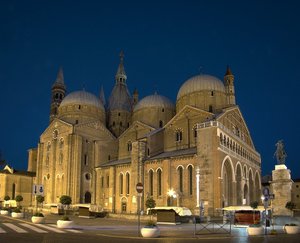
The painting that made Donatello famous is Madonna and Child between St Francis and St Anthony (1448); it hangs in the Basilica di Sant'Antonio, Padua. Cantoria (1439) and Entombment (1447) follow it in the hearts of collectors and museum visitors. Of the 148 works by Donatello in our catalogue, these 100 are the most admired, each presented with its date, its museum and what sets it apart.

Sijoitus perustuu suosiotulokseemme, joka yhdistää kunkin teoksen hakuja, vierailuja ja tilauksia. Päivitetty lokakuu 2026. Every masterpiece on this page can be ordered as a museum-quality, hand-painted oil reproduction or a fine art print, at the size you choose.

Donatello muotokuva
Donatello · 1386 – 1466
Syntynyt · kuollut
1386 – 1466, Firenze
Taidesuuntaus
Varhaisrenessanssi
Teokset valikoimassamme
148
Tunnetuimmat
Madonna and Child between St Francis and St Anthony (1448)
Eniten teoksia kohteessa
Museo dell'Opera del Duomo

Donatello: the ten masterpieces

Madonna and Child between St Francis and St Anthony (1448) tekijä Donatello
1

Madonna and Child between St Francis and St Anthony

1448 · Bronze · Basilica di Sant'Antonio, Padua

In the heart of the Italian Renaissance, where the shadows of antiquity met the burgeoning light of humanism, Donatello breathed life into metal with his masterpiece, Madonna and Child between St Francis and St Anthony. Created around 1448, this profound bronze sculpture serves as a window into a period of unparalleled spiritual and artistic transformation. The composition is a masterclass in symmetrical grace; at its center, the Virgin Mary cradles…

Cantoria (1439) tekijä Donatello
2

Cantoria

1439 · Marble · Museo dell'Opera del Duomo, Firenze

To stand before Donatello’s Cantoria is to witness the very moment the Renaissance found its pulse. Completed around 1439 for the Cathedral of Santa Maria del Fiore in Florence, this monumental marble relief is far more than a functional singers' gallery; it is a breathtaking explosion of movement and spiritual ecstasy. While much of the era’s sculpture remained tethered to the static, formal traditions of the Byzantine style, Donatello broke…

Entombment (1447) tekijä Donatello
3

Entombment

1447 · Oil On Canvas · Basilica di Sant'Antonio, Padua

To stand before Donatello's depiction of the Entombment is to be enveloped in an atmosphere so thick with grief, it feels almost palpable. This scene transcends mere narrative illustration; it is a profound meditation on loss, sacrifice, and the solemn weight of human devotion. The composition draws the viewer into the immediate aftermath of unimaginable tragedy. Jesus Christ lies within the tomb, not merely as a subject, but as the…

Miracle of the Repentant Son (1447) tekijä Donatello
4

Miracle of the Repentant Son

1447 · Acrylic · Basilica di Sant'Antonio, Padua

Donatello’s bronze sculpture, "Miracle of the Repentant Son," transcends mere representation; it's a profound meditation on faith, remorse, and divine grace. Created in 1447 during the apex of his artistic maturity, this work embodies the burgeoning humanism and emotional depth that defined the Early Renaissance in Florence. More than just a depiction of a biblical miracle – the restoration of a severed limb by St. Anthony – it’s a study…

Crucifix (1412) tekijä Donatello
5

Crucifix

1412 · Acrylic On Canvas · Santa Croce - Firenze, Firenze

Donatello's 1412 Crucifix, housed within the Basilica of Santa Croce in Florence, isn’t merely a depiction of Christ on the cross; it’s a visceral experience. This early Renaissance masterpiece transcends simple representation, plunging the viewer into the heart of Christian theology and embodying the profound tension between suffering and redemption. Crafted from richly-toned pearwood, the sculpture immediately commands attention with its remarkably realistic portrayal of the human form – a…

Annunciation (1435) tekijä Donatello
6

Annunciation

1435 · Acrylic On Canvas · Santa Croce - Firenze, Firenze

Donatello’s 1435 Annunciation, housed within the Basilica di Santa Croce in Florence, isn’t merely a depiction of a biblical moment; it’s a profound meditation on grace, humility, and the transformative power of faith. Commissioned during a pivotal period of artistic innovation – bridging the Gothic and Renaissance eras – this sculpture embodies Donatello's revolutionary approach to humanism and his masterful command of classical forms. The scene unfolds with an arresting…

St George (detail) (1416) tekijä Donatello
7

St George (detail)

1416 · Marble · Museo Nazionale del Bargello, Firenze

The marble figure of St. George, sculpted by Donatello around 1416, stands as more than just a depiction of a saint; it's a pivotal moment in the evolution of Renaissance sculpture – a testament to the artist’s innovative spirit and his profound understanding of human form and narrative. Originally gracing the north wall of Orsanmichele, Florence’s imposing guildhall, this statue immediately captivated viewers with its dynamic energy and strikingly realistic…

Herod's Banquet (1427) tekijä Donatello
8

Herod's Banquet

1427 · Bronze · Sienan baptisterio, Siena

Donatello's Herod’s Banquet, crafted around 1427 for the baptismal font of Siena’s San Giovanni Baptistery, isn’t merely a depiction of a biblical episode; it’s a profound meditation on power, betrayal, and the chilling consequences of unchecked ambition. Commissioned amidst the competitive fervor of Renaissance Florence and Siena, this bronze relief stands as a testament to Donatello's burgeoning mastery – a pivotal work that showcases his innovative approach to sculpture and…

Bearded Prophet (1418) tekijä Donatello
9

Bearded Prophet

1418 · Bronze · Museo dell'Opera del Duomo, Firenze

In the heart of the Florentine Renaissance, where the shadows of antiquity began to dance with the light of new humanism, Donatello breathed life into bronze with his Bearded Prophet. Created around 1418, this monumental figure is far more than a mere sculpture; it is a profound meditation on the weight of divine knowledge and the solemnity of faith. As one gazes upon the weathered surface of the bronze, there…

St. John the Evangelist (1415) tekijä Donatello
10

St. John the Evangelist

1415 · Marble

St. John the Evangelist is a marble sculpture created by the artist Donatello. Dated 1410, this work depicts one of the twelve apostles of Jesus. The subject is rendered as an elderly man, presented with a face etched with lines and a gaze that suggests a state of contemplation and wisdom. This choice of representation presents the figure as a philosopher-like individual.

More Donatello masterpieces, 11 to 100

St Mark (1411) tekijä Donatello
#11

St Mark

1411 · Orsanmichele

Within the echoing halls of Orsanmichele in Florence, stands Donatello's sculpture of St. Mark – more than just a depiction of a biblical figure; it is a profound…

Prophet with Scroll (detail) (1418) tekijä Donatello
#12

Prophet with Scroll (detail)

1418 · Museo dell'Opera del Duomo

To stand before this detail of a prophet is to encounter a moment suspended in time—a profound echo from the heart of the Italian Renaissance. The marble itself,…

St John on Patmos (1428) tekijä Donatello
#13

St John on Patmos

1428

The St John on Patmos painting, created by the renowned artist Donatello in 1428, is a stunning example of Renaissance art. This masterpiece is a testament to Donatello's…

David (detail) (1409) tekijä Donatello
#14

David (detail)

1409 · Museo Nazionale del Bargello

To stand before this detail of Donatello's David is to encounter not merely a sculpture, but a profound meditation on nascent heroism. The marble seems to breathe with…

Pietà (1447) tekijä Donatello
#15

Pietà

1447 · Basilica di Sant'Antonio

In the quiet sanctity of the Basilica di Sant’Antonio in Padua, there exists a moment frozen in bronze, a profound intersection of divine tragedy and human vulnerability. Donatello’s…

Pulpit (on the right) (1465) tekijä Donatello
#16

Pulpit (on the right)

1465 · San Lorenzon basilika

In the hallowed, sun-drenched silence of the Basilica of San Lorenzo in Florence, there exists a sculptural marvel that captures the very essence of a soul nearing its…

Prophet Jeremiah (1423) tekijä Donatello
#17

Prophet Jeremiah

1423 · Museo dell'Opera del Duomo

To stand before Donatello’s Prophet Jeremiah is to encounter not merely carved stone, but the very weight of human contemplation. This marble masterpiece transports us into a moment…

Prophet Habakkuk (1427) tekijä Donatello
#18

Prophet Habakkuk

1427 · Museo dell'Opera del Duomo

In the heart of Florence, within the hallowed halls of the Museo dell'Opera del Duomo, stands a figure that seems to breathe with the weight of centuries. Donatello’s…

Pulpit (1438) tekijä Donatello
#19

Pulpit

1438 · Museum of the Cathedral

The Pulpit by Donatello emerged from the stone and the shared vision of a workshop. In 1438, the artist completed this marble structure, working alongside collaborators Michelozzo and…

Miracle of the New-born Child (detail) (1447) tekijä Donatello
#20

Miracle of the New-born Child (detail)

1447 · Basilica di Sant'Antonio

This bronze detail captures an aged figure rendered with profound realism. The sculpture focuses on the upper torso and head, where deep wrinkles and facial contours convey experience…

Miracle of the Ass (1447) tekijä Donatello
#21

Miracle of the Ass

1447 · Basilica di Sant'Antonio

In the heart of the Italian Renaissance, amidst the burgeoning humanism of Florence, Donatello breathed life into metal with his 1447 masterpiece, The Miracle of the Ass. This…

Cantoria (detail) (1439) tekijä Donatello
#22

Cantoria (detail)

1439 · Museo dell'Opera del Duomo

The “Cantoria,” or Singing Gallery, crafted by the towering figure of Donatello between 1439 and 1440, isn't merely a decorative element within Florence’s Duomo; it’s an immersive experience,…

Evangelist Luke (1428) tekijä Donatello
#23

Evangelist Luke

1428

The "Evangelist Luke" is a remarkable painting created by the renowned artist Donatello in 1428. This stunning work of art, crafted from stucco and measuring 215 x 215…

Bring it home →
Pulpit (detail) (1438) tekijä Donatello
#24

Pulpit (detail)

1438 · Museo dell'Opera del Duomo

To look closely at this detail from the pulpit is to witness a quiet revolution in stone. The marble figures emerge from their setting with a sense of…

Christ before Pilate and Caiaphas (1460) tekijä Donatello
#25

Christ before Pilate and Caiaphas

1460 · San Lorenzon basilika

Donatello's 1460 bronze sculpture, “Christ Before Pilate and Caiaphas,” stands as a monumental achievement within the burgeoning artistic landscape of the Italian Renaissance. Housed in the San Lorenzo…

David (1409) tekijä Donatello
#26

David

1409 · Museo Nazionale del Bargello

To stand before Donatello’s David is not merely to observe a sculpture; it is to witness a suspended moment of profound human potential. Carved from luminous marble, this…

St George and the Dragon (1416) tekijä Donatello
#27

St George and the Dragon

1416 · Museo Nazionale del Bargello

Gazing upon this marble bust is to confront a moment frozen in time—a powerful confluence of classical revivalism and raw human emotion. The subject, rendered with breathtaking verisimilitude,…

Saint George (1417) tekijä Donatello
#28

Saint George

1417 · Museo Nazionale del Bargello

In the heart of Florence, where the echoes of the Quattrocento still resonate through the cobblestone streets, stands a figure of unparalleled poise and quiet strength. Donatello’s Saint…

St John the Evangelist (detail) (1410) tekijä Donatello
#29

St John the Evangelist (detail)

1410 · Museo dell'Opera del Duomo

Donatello's “St John the Evangelist (detail),” a remarkably preserved marble sculpture created around 1410-1411, stands as a pivotal work in the transition from the late Gothic to the…

St John the Evangelist (1410) tekijä Donatello
#30

St John the Evangelist

1410 · Museo dell'Opera del Duomo

St John the Evangelist is a marble sculpture created by the artist Donatello. The work is dated 1410. It depicts one of the twelve apostles of Jesus, specifically…

Deposition (detail) (1465) tekijä Donatello
#31

Deposition (detail)

1465 · San Lorenzon basilika

Donatello's Deposition, a pivotal work from 1465, isn’t merely a depiction of Christ being lowered from the cross; it’s a profound meditation on grief, loss, and the nascent…

Commission a hand-painted copy →
North pulpit (1460) tekijä Donatello
#33

North pulpit

1460 · San Lorenzon basilika

To stand before the North Pulpit is to witness a profound moment in the evolution of Western art, where the rigid structures of the Middle Ages began to…

David (1430) tekijä Donatello
#35

David

1430 · Museo Nazionale del Bargello

Michelangelo’s “David,” a colossal marble sculpture residing within the Galleria dell’Accademia in Florence, isn't merely a depiction of a biblical hero; it’s an embodiment of human potential, a…

Commission a hand-painted copy →
Miracle of the Avaricious Man's Heart (1447) tekijä Donatello
#37

Miracle of the Avaricious Man's Heart

1447 · Basilica di Sant'Antonio

Within the hallowed, sun-drenched walls of the Basilica di Sant’Antonio in Padua, there exists a moment frozen in time, a bronze whisper of the divine captured by the…

Allegoric Figure of a Boy (Atys), rear view (1430) tekijä Donatello
#38

Allegoric Figure of a Boy (Atys), rear view

1430 · Museo Nazionale del Bargello

To stand before an image evoking this bronze figure is to feel the very breath of the Renaissance wind against one's skin. This depiction, titled Allegoric Figure of…

St George (detail) (1416) tekijä Donatello
#39

St George (detail)

1416 · Museo Nazionale del Bargello

In the heart of Florence, within the hallowed halls of the Museo Nazionale del Bargello, resides a fragment of eternal courage. Donatello’s St. George, specifically captured in this…

Cantoria (detail) (1439) tekijä Donatello
#40

Cantoria (detail)

1439 · Museo dell'Opera del Duomo

In the heart of Florence, within the hallowed halls of the Museo dell’Opera del Duomo, lies a fragment of divine ecstasy known as the Cantoria. Created by the…

Gattamelatan ratsastamonmuna monumentti (1447) tekijä Donatello
#41

Gattamelatan ratsastamonmuna monumentti

1447 · Piazza del Santo

Donatello ja Gattamelatan ratsastamon monumentaalinen mestariteos Paduan kaupungissa sijaitseva San Antonin kirkko huokuu historiaa, kun katselemme näköaloa suureen Donatellon valmistamaan ratsastamon monumentoon Gattamelataan. Tämä keskiajan lopulla ja renessanssin…

Order a reproduction →
Marzocco (1419) tekijä Donatello
#43

Marzocco

1419 · Museo Nazionale del Bargello

In the heart of the Renaissance, amidst the political tremors and cultural rebirth of 15th-century Florence, Donatello breathed life into stone to create one of the city's most…

Prophet Jeremiah (detail) (1423) tekijä Donatello
#44

Prophet Jeremiah (detail)

1423 · Museo dell'Opera del Duomo

Donatello's “Prophet Jeremiah (detail),” a poignant study carved from pristine white marble around 1423-1427, transcends mere portraiture to become a profound meditation on faith, suffering, and the weight…

Commission a hand-painted copy →
Cantoria (detail) (1439) tekijä Donatello
#45

Cantoria (detail)

1439 · Museo dell'Opera del Duomo

Donatello's "Cantoria," a breathtaking detail from the larger marble relief adorning the south sacristy doors of the Duomo in Florence, isn’t merely a sculpture; it’s a vibrant snapshot…

Order a reproduction →
Herod's Banquet (detail) (1427) tekijä Donatello
#46

Herod's Banquet (detail)

1427 · Sienan baptisterio

In the hallowed, quiet corridors of the Siena Baptistery, there exists a moment frozen in time, captured not in paint, but in the enduring strength of bronze. Donatello’s…

Miracle of the Avaricious Man's Heart (detail) (1447) tekijä Donatello
#47

Miracle of the Avaricious Man's Heart (detail)

1447 · Basilica di Sant'Antonio

The Miracle of the Avaricious Man's Heart is a remarkable bronze relief created by the renowned Italian artist Donatello in 1447. This stunning work of art is located…

Bearded Prophet (detail) (1418) tekijä Donatello
#48

Bearded Prophet (detail)

1418 · Museo dell'Opera del Duomo

Donatello's "Bearded Prophet" – often referred to as “Pensieroso,” meaning “the Thinker” – stands not merely as a sculpture, but as a profound meditation on humanity’s relationship with…

Cantoria (detail) (1439) tekijä Donatello
#49

Cantoria (detail)

1439 · Museo dell'Opera del Duomo

Donatello's Cantoria, a breathtaking marble relief sculpture from the Duomo di Firenze (Florence Cathedral), isn’t merely a decorative element; it’s a vibrant snapshot of Renaissance ambition and artistic…

Commission a hand-painted copy →
Prophet Jeremiah (1423) tekijä Donatello
#50

Prophet Jeremiah

1423 · Museo dell'Opera del Duomo

Prophet Jeremiah is a marble sculpture created by the artist Donatello. Dated 1423, the work represents a significant religious subject through the depiction of the biblical prophet. The…

South pulpit (1460) tekijä Donatello
#51

South pulpit

1460 · San Lorenzon basilika

Donatello’s Passion Pulpit, a monumental bronze ensemble housed within the Basilica of San Lorenzo in Florence, isn’t merely a religious depiction; it’s a visceral embodiment of the artist’s…

Commission a hand-painted copy →
Deposition (1465) tekijä Donatello
#52

Deposition

1465 · San Lorenzon basilika

Donatello's Deposition, completed in 1465, isn’t merely a sculpture; it’s a profound meditation on loss, faith, and the raw vulnerability of humanity. Carved from rich, burnished bronze –…

St George (1416) tekijä Donatello
#53

St George

1416 · Museo Nazionale del Bargello

Donatello’s “St. George,” sculpted in 1416 for the Museo Nazionale del Bargello in Florence, isn’t merely a depiction of a biblical hero; it’s a potent distillation of Renaissance…

Cantoria (1439) tekijä Donatello
#54

Cantoria

1439 · Museo dell'Opera del Duomo

Within the hallowed halls of the Museo dell'Opera del Duomo in Florence resides a sculpture that transcends mere stone and marble – it is an embodiment of Renaissance…

Faith (1427) tekijä Donatello
#55

Faith

1427 · Sienan baptisterio

Donatello's "Faith," crafted in bronze around 1427-1429 for the baptismal font within Siena Cathedral, stands as a pivotal work bridging the late Gothic and burgeoning Early Renaissance styles.…

Old Sacristy (1428) tekijä Donatello
#56

Old Sacristy

1428 · San Lorenzon basilika

To step into the Old Sacristy within the Basilica of San Lorenzo is to leave the chaotic bustle of Florence behind and enter a realm of profound mathematical…

Annunciation (detail) (1435) tekijä Donatello
#57

Annunciation (detail)

1435 · Santa Croce - Firenze

Donatello's "Annunciation," specifically this exquisite detail from the relief adorning the Cavalcanti Chapel in Santa Croce, Florence, stands as a pivotal moment in the burgeoning Renaissance. Crafted around…

Order a reproduction →
Pulpit (on the left) (1465) tekijä Donatello
#58

Pulpit (on the left)

1465 · San Lorenzon basilika

Within the serene confines of San Lorenzo church in Florence resides a sculpture that transcends mere marble; it is a profound meditation on faith, humanity, and the very…

Order a reproduction →
Prophet with Scroll (1418) tekijä Donatello
#59

Prophet with Scroll

1418 · Museo dell'Opera del Duomo

Donatello’s “Prophet with Scroll,” crafted between 1415 and 1418, stands as a pivotal work in the burgeoning Early Renaissance of Florence. More than simply a depiction of biblical…

St John the Evangelist (1410) tekijä Donatello
#60

St John the Evangelist

1410 · Museo dell'Opera del Duomo

Donatello’s “St John the Evangelist,” completed between 1410 and 1411, isn't merely a sculpture; it’s an invitation into a realm of contemplative grace. Carved from pristine white marble,…

Commission a hand-painted copy →
Prophet Habakkuk (1427) tekijä Donatello
#61

Prophet Habakkuk

1427 · Museo dell'Opera del Duomo

In the hallowed, sun-drenched halls of the Museo dell'Opera del Duomo in Florence, there exists a figure that seems to breathe with the heavy weight of centuries. Donatello’s…

Entombment (1465) tekijä Donatello
#62

Entombment

1465 · San Lorenzon basilika

Donatello's “Entombment,” completed around 1465 in Florence, stands as a monumental achievement within the Early Renaissance—a sculpture that transcends mere representation to embody profound human emotion and theological…

Cantoria (9) (1439) tekijä Donatello
#63

Cantoria (9)

1439 · Museo dell'Opera del Duomo

Donatello's "Cantoria," completed in 1439 for the Duomo of Florence, isn’t merely a decorative element; it’s a vibrant embodiment of Renaissance ideals – a testament to human ingenuity,…

Bring it home →
Lamentation over the Dead Christ tekijä Donatello
#64

Lamentation over the Dead Christ

Victoria and Albert Museum

Donatello, one of the most influential artists of the Italian Renaissance, created the Lamentation Over The Dead Christ around 1455-1460. This remarkable bronze relief is currently housed in…

St George (1416) tekijä Donatello
#65

St George

1416 · Museo Nazionale del Bargello

Donatello's *Saint George*, sculpted in 1416 during the nascent Renaissance, is more than just a marble statue; it’s a potent distillation of classical ideals interwoven with burgeoning humanist…

St John the Baptist (1438) tekijä Donatello
#66

St John the Baptist

1438 · Santa Maria Gloriosa dei Frari

Donatello’s “St. John the Baptist,” sculpted around 1438 in Carrara marble and now residing within the serene Chapel of St. John the Baptist at Santa Maria Gloriosa dei…

Order a reproduction →
Chellini Madonna, verso tekijä Donatello
#68

Chellini Madonna, verso

Victoria and Albert Museum

Donatello's "Chellini Madonna," a bronze relief cast in the mid-15th century, stands as a remarkably intimate and profoundly moving work within the artist’s oeuvre. More than simply a…

St Cosmas and St Damian (1428) tekijä Donatello
#69

St Cosmas and St Damian

1428

Two figures emerge from an ornate stone backdrop, their presence defined by a quiet, shared intensity. These men, identified as the twin saints Cosmas and Damian, are positioned…

St Mary Magdalen (1457) tekijä Donatello
#70

St Mary Magdalen

1457 · Museo dell'Opera del Duomo

St Mary Magdalen is a sculptural work created by the Italian Renaissance sculptor Donatello. This figure is slightly larger than life size and was originally made for the…

Bust of Niccolo da Uzzano (1430) tekijä Donatello
#71

Bust of Niccolo da Uzzano

1430 · Museo Nazionale del Bargello

Donatello's 1430s marble bust of Niccolò da Uzzano is more than just a sculpted likeness; it’s a profound meditation on leadership, duty, and the quiet strength required to…

Crucifixion (1465) tekijä Donatello
#72

Crucifixion

1465 · Museo Nazionale del Bargello

A Moment Frozen in Time: Donatello’s Crucifixion The bronze sculpture “Crucifixion” by Donatello stands as an enduring testament to the artistic fervor of the Florentine Renaissance, capturing not…

Pulpit (1438) tekijä Donatello
#79

Pulpit

1438 · Cathedral

A Masterpiece of Renaissance Sculpture: Donatello's Marble Pulpit Donatello’s marble pulpit, created in 1438 for the Church of San Lorenzo in Florence, stands as a pivotal work within…

Commission a hand-painted copy →
Agony in the Garden (1465) tekijä Donatello
#80

Agony in the Garden

1465 · San Lorenzon basilika

Giovanni Bellini's "Agony in the Garden," housed within the venerable halls of the National Gallery, London, isn’t merely a depiction of a biblical scene; it’s a profound meditation…

Commission a hand-painted copy →
Funeral Monument to John XXIII (detail) (1435) tekijä Donatello
#81

Funeral Monument to John XXIII (detail)

1435 · San Giovanni - Pyhäkkö

The Funeral Monument to John XXIII (detail) is a work by the sculptor Donatello. This specific fragment captures a moment of stillness within a larger funerary structure. It…

Chellini Madonna, recto tekijä Donatello
#82

Chellini Madonna, recto

Victoria and Albert Museum

To gaze upon the Chellini Madonna is to step into the very heart of the Florentine Renaissance, where the divine and the human intersect through the masterful hands…

Hope (1427) tekijä Donatello
#83

Hope

1427 · Sienan baptisterio

Within the quiet, hallowed space of the Baptistery of San Giovanni in the Siena Cathedral, a figure emerges from the shadows of a shallow marble niche. This is…

St Mark (1411) tekijä Donatello
#84

St Mark

1411 · Orsanmichele

In the Orsanmichele of Florence, a marble figure of St Mark emerges from its Gothic niche, marking a departure from the rigid traditions of the Middle Ages. Created…

St Rossore (1425) tekijä Donatello
#86

St Rossore

1425 · Museo Nazionale di San Matteo

In the quiet presence of Donatello’s St Rossore, one does not merely observe a sculpture; one encounters a profound dialogue between the earthly and the divine. Created around…

Musician Angels (1447) tekijä Donatello
#90

Musician Angels

1447 · Basilica di Sant'Antonio

In the hallowed stillness of the Basilica of Saint Anthony in Padua, there exists a moment where time seems to suspend itself, captured forever in the shimmering bronze…

Donatello's paintings by period

The subjects Donatello painted most

The four subjects that return most often among these masterpieces, with the finest example of each.

Where to see Donatello's paintings

Tämän sivun teoksista eniten sisältävät 8 museota.

Museo Kaupunki Donatello teokset Tämän listan maalaukset
Museo dell'Opera del Duomo, FirenzeMuseo dell'Opera del Duomo Firenze 22 Cantoria, Bearded Prophet, Prophet with Scroll (detail)
Museo Nazionale del Bargello, FirenzeMuseo Nazionale del Bargello Firenze 13 St George (detail), David (detail), David
Basilica di Sant'Antonio, PaduaBasilica di Sant'Antonio Padua 12 Madonna and Child between St Francis and St Anthony, Entombment, Miracle of the Repentant Son
San Lorenzon basilika, FirenzeSan Lorenzon basilika Firenze 12 Pulpit (on the right), Christ before Pilate and Caiaphas, Deposition (detail)
Piazza del Santo, PaduaPiazza del Santo Padua 6 Equestrian Statue of Gattamelata (8), Gattamelatan ratsastamonmuna monumentti, Equestrian Statue of Gattamelata
Sienan baptisterio, SienaSienan baptisterio Siena 4 Herod's Banquet, Herod's Banquet (detail), Faith
San Giovanni - Pyhäkkö, FlorenceSan Giovanni - Pyhäkkö Florence 4 Funeral Monument to John XXIII (detail), Funeral Monument to John XXIII (detail), Funeral Monument to John XXIII (detail)
Santa Croce - Firenze, FirenzeSanta Croce - Firenze Firenze 3 Crucifix, Annunciation, Annunciation (detail)

Donatello, decade by decade: the defining painting of each

  1. 1400s
    David (detail) (1409) tekijä Donatello
    Rank 14 / 100

    David (detail)

    Ikä 14–23 · Museo Nazionale del Bargello

    To stand before this detail of Donatello's David is to encounter not merely a sculpture, but a profound meditation on nascent heroism. The marble seems to breathe with…

  2. 1410s
    Crucifix (1412) tekijä Donatello
    No. 5 of 100

    Crucifix

    Ikä 24–33 · Santa Croce - Firenze

    Donatello's 1412 Crucifix, housed within the Basilica of Santa Croce in Florence, isn’t merely a depiction of Christ on the cross; it’s a visceral experience. This early Renaissance…

  3. 1420s
    Herod's Banquet (1427) tekijä Donatello
    Rank 8 / 100

    Herod's Banquet

    Ikä 34–43 · Sienan baptisterio

    Donatello's Herod’s Banquet, crafted around 1427 for the baptismal font of Siena’s San Giovanni Baptistery, isn’t merely a depiction of a biblical episode; it’s a profound meditation on…

  4. 1430s
    Cantoria (1439) tekijä Donatello
    No. 2 of 100

    Cantoria

    Ikä 44–53 · Museo dell'Opera del Duomo

    To stand before Donatello’s Cantoria is to witness the very moment the Renaissance found its pulse. Completed around 1439 for the Cathedral of Santa Maria del Fiore in…

  5. 1440s
    Madonna and Child between St Francis and St Anthony (1448) tekijä Donatello
    Rank 1 / 100

    Madonna and Child between St Francis and St Anthony

    Ikä 54–63 · Basilica di Sant'Antonio

    In the heart of the Italian Renaissance, where the shadows of antiquity met the burgeoning light of humanism, Donatello breathed life into metal with his masterpiece, Madonna and…

  6. 1450s
    St Mary Magdalen (1457) tekijä Donatello
    Rank 70 / 100

    St Mary Magdalen

    Ikä 64–73 · Museo dell'Opera del Duomo

    St Mary Magdalen is a sculptural work created by the Italian Renaissance sculptor Donatello. This figure is slightly larger than life size and was originally made for the…

  7. 1460s
    Pulpit (on the right) (1465) tekijä Donatello
    Rank 16 / 100

    Pulpit (on the right)

    Ikä 74–80 · San Lorenzon basilika

    In the hallowed, sun-drenched silence of the Basilica of San Lorenzo in Florence, there exists a sculptural marvel that captures the very essence of a soul nearing its…

Donatello's masterpieces: questions and answers

Which painting is Donatello best known for?Show the answer

Madonna and Child between St Francis and St Anthony (1448), Basilica di Sant'Antonio, Padua. Next come Cantoria (1439) and Entombment (1447).

How old was Donatello when painting Madonna and Child between St Francis and St Anthony?Show the answer

62 years old: Madonna and Child between St Francis and St Anthony dates from 1448 and Donatello was born in 1386.

What are Donatello's ten greatest paintings?Show the answer

Madonna and Child between St Francis and St Anthony, Cantoria, Entombment, Miracle of the Repentant Son, Crucifix, Annunciation, St George (detail), Herod's Banquet, Bearded Prophet ja St. John the Evangelist. The ranking above gives the year and the museum of each.

How many works did Donatello paint?Show the answer

Our catalogue lists 148 works by Donatello, dated from 1406 to 1465.

In which museums can I see Donatello's masterpieces?Show the answer

Most of them are in Museo dell'Opera del Duomo (Firenze), Museo Nazionale del Bargello (Firenze) ja Basilica di Sant'Antonio (Padua). The table above lists the museums one by one.

When did Donatello paint the masterpieces?Show the answer

In 1430s: 22 of the 100 works on this page date from then, among them Cantoria.

What are the first and last famous paintings of Donatello?Show the answer

The earliest on this page is Prophet (left of the Porta della Mandorla) (1406), the latest Pulpit (on the right) (1465).

What were Donatello's favourite subjects?Show the answer

Renaissance (46), Sculpture (34) ja Renaissance art (18), among the 100 works on this page.

Which technique did Donatello favour?Show the answer

Marble: 27 of the 100 works on this page.

What art movement is Donatello part of?Show the answer

Varhaisrenessanssi, as the paintings on this page show.

Which masterpieces by Donatello hang at the Museo dell'Opera del Duomo?Show the answer

Cantoria, Bearded Prophet ja Prophet with Scroll (detail) are among the 21 works on this page held by the Museo dell'Opera del Duomo, Firenze.

Can I own a reproduction of a Donatello masterpiece?Show the answer

Yes. Every painting on this page can be ordered as a museum-quality, hand-painted oil reproduction or a fine art print, in the size you choose, from the painting's own page.

The life of Donatello

Donatellon elämä ja identiteetti

Syntyessään Donato di Niccolò di Betto Bardina, mies jonka historia tuntee nimellä Donatello, vietti koko elämänsä Italian Firenzessä. Hän saapui maailmaan noin vuonna 1386, aikana jolloin kaupunki oli alkamassa muovata omaa kuvaansa kiven ja pronssin avulla. Hänen läsnäolonsa Firenzessä oli jatkuvaa, ja sitä leimasi vakaa käsi sekä syvä keskittyminen aiheidensa fyysiseen todellisuuteen. Hän oli italialaisen renessanssin kuvanveistäjä, joka ymmärsi käsissään olevien materiaalien painon, marmorin kovuudesta vahan sulavuuteen.

Hänen työnsä ei ollut pelkkää yksinäistä pyrkimystä täydellisyyteen, vaan sarja vastauksia aikansa tarpeisiin. Hän kulki Firenzen kaduilla työskennellen monipuolisilla materiaaleilla ja jättäen jälkeensä hahmoja, jotka vangitsivat ainutlaatuisen, inhimillisen läsnäolon. Vaikka hänet tunnettiin ystävällisenä ja pidettynä ihmisenä, hän kamppaili liiketoiminnan käytännön haasteiden kanssa. Hän otti usein työtä vastaan enemmän kuin kätensä ehti ajallaan viimeistellä, jättäen joskus viimeiset silaukset muiden tehtäväksi tai toimittaen teokset odotettua myöhemmin. Tämä taipumus ylisuoriutumiseen viittaa mieheen, joka oli enemmän huolissaan luomisprosessista kuin työpajan hallinnosta.

Donatello kuoli Firenzessä 13. joulukuuta 1466. Hän jätti jälkeensä tuotannon, joka muutti tapaa, jolla kuvanveistäjät lähestyivät ihmisvartaloa, siirtyen menneisyyden jäykistä perinteistä kohti jotain maanläheisempää ja ilmaisullisempaa. Hänen elämänsä oli kietoutunut kaupunkiin, ja hänen identiteettinsä on edelleen erottamaton osa firenzeläistä maaperää, jossa hän eli ja työskenteli.

Varhaisluonnos ja taiteellinen kasvu

Donatello syntyi Firenzessä, Italiassa, kaupungissa, joka toimi nousevan renessanssin ensisijaisena keskuksena. Tämä elinvoimainen ympäristö tarjosi välttämättömän kulttuurisen energian hänen kehitykselleen. Hän vietti nuoruutensa uppoutuneena paikalliseen tunnelmaan, jossa siirtymä jäykistä keskiaikaisista perinteistä oli jo alkanut näkyä. Hänen siteensä florentilaiseen maisemaan oli syvä, sillä kaupungin muuttuvat arvot muovasivat hänen varhaista lähestymistapaansa muotoon ja hahmoon.

Hänen koulutuksensa sisälsi klassisen veistotaiteen intensiivisen tutkimisen. Tämä antiikin ajan ihailu auttoi häntä kulkemaan kohti uutta tyyliä, joka asetti etusijalle realismia ja humanismia. Ennen oman taiteellisen äänensä löytämistä hän opetteli kansainvälisen gotiikan tyylin Lorenzo Ghibertilta. Tämä oppimisen vaihe antoi hänelle mahdollisuuden hallita käsityönsä tekniset taidot ennen kuin hän alkoi poiketa vakiintuneista perinteistä. Hän työskenteli monipuolisesti eri materiaaleilla, kuten kivellä, pronssilla, puulla, savella, stukoolla ja vahalla, hyödyntäen usein lasia innovatiivisilla tavoilla saavuttaakseen tiettyjä visuaalisia vaikutelmia.

Patronit, työpaja ja tilaukset

Donatellon kädet olivat usein täynnä työtä. Hänellä oli taipumus ottaa vastaan enemmän tehtäviä kuin hänen aikataulunsa olisi sallinut, mikä johti toisinaan siihen, että projektit valmistuivat viiveellä tai ne annettiin muiden viimeisteltäväksi. Tämä raskas työmäärä vaati jatkuvaa läsnäoloa hänen työpajassaan, jossa hän työskenteli useiden avustajien rinnalla. Noin neljän hengen ryhmä oli tyypillinen kokoonpano hänen studiolleen, ja se auttoi häntä hallitsemaan kiven, pronssin ja saven fyysiset vaatimukset.

Medici-suku tarjosi hänelle vakaata tukea ja sellaista suojelusta, joka mahdollisti työn jatkumisen elämän eri vaiheissa. Hänen vaikutusvaltansa ulottui kauas Firentzen katujen ulkopuolelle; hän matkusti toteuttamaan tilauksia Roomaan, Padovaan ja Sienaan. Tämä liike eri kaupunkien välillä tarkoitti, ettei hänen toimintansa ollut koskaan sidottu vain yhteen paikkaan, sillä hän vei menetelmänsä ja avustajansa eri toiminnan keskuksiin.

Innovatiiviset tekniikat ja taiteellinen tyyli

Donatellon lähestymistapa veistotaiteeseen rikkoi kansainvälisen gotiikan tyylin jäykät perinteet. Hän kehitti varhaisen renessanssin tyylin, joka suosi uudenlaista realismia. Tämä saavutettiin usein syvällisen ymmärryksen kautta ihmisvartalon anatomiasta ja siitä, miten valo leikkii materiaalin pinnalla. Hänen luovuutensa ei rajoittunut vain yhteen materiaaliin; hän työskenteli kiven, pronssin, puun, saven, stuccon ja vahan parissa, ja hän löysi jopa keksinnöllisiä tapoja käyttää lasia tuodakseen hahmoihinsa hienovaraista yksityiskohtaisuutta.

Yksi hänen merkittävimmistä teknisistä panoksistaan oli rilievo stiacciato -tekniikan kehittäminen. Kyseessä on erittäin matala kohokuvio, jossa kaiverrus on niin hienovaraista, että se luo illuusion syvyydestä ainoastaan paksuuden hienoisilla vaihteluilla. Tämän menetelmän avulla hän pystyi vihjailemaan perspektiiviä ja etäisyyttä lähes tasaisella pinnalla. Hänen teoksissaan ilmenee usein jännite materiaalin fyysisen painon ja kohteen ilmaisukuvallisen liikkeen välillä. Hän kykeni saamaan marmorin näyttämään yhtä pehmeältä kuin iho tai antamaan pronssille raskaan, lihaksikkaan energian tunnun.

  • David (pronssi)
  • Gattamelatan ratsastajapatsas
  • Pyhä Yrjö (marmori)

Keskeiset veistokselliset mestariteokset

Vuonna 1416 Donatello viimeisteli Pyhän Yrjön, marmoriveistoksen, joka vangitsee katsojan päättäväisen rohkeuden tunteen. Veistos esittää haarniskoitunutta ritaria, joka ei seisokaan perinteisessä contrapposto-asennossa, vaan tasapainoilee jalkapöydillään, valmiina toimintaan. Kiven pinnan alla tuntuu lihaksiston jännitys ja elävä voima, aivan kuin keho olisi liikkeessä juuri kuvan hetkellä. Tämä teos oli yksi monista Firenzen ammattikuntien tilaamista veistoksista, joiden oli tarkoitus koristella Orsanmichelen kirkon ulkoisia syvennyksiä.

Hänen pronssinen Davidinsa on puolestaan pysyvä merkkipaalu veistotaiteen historiassa. Se on ensimmäinen antiikin ajan jälkeinen, vapaasti seisova miespuolinen alastonveistos. Hahmo on kuvattu arvoituksellinen hymy huulillaan, ja hän seisoo toinen jalka Goljatin surmatun pään päällä. Vaikka marmorinen versio tästä aiheesta oli yksi hänen varhaisista tilauksistaan, pronssinen versio on kuuluisa herkän, androgyynisen fysiikkansa ja tavasta, jolla nuoren miehen alastomuus luo voimakkaan kontrastin kädessä lepäävälle raskaalle miekalle.

Uran edetessä Donatello kokeili yhä uusia materiaaleja ja mittakaavoja. Vuonna 1453 valmistunut massiivinen pronssinen Gattamelatan ratsastajapatsas kohoaa ylväisenä Paduassa. Noin vuonna 1440 hän puolestaan loi Katuvaisen Magdalan, valkoisesta poppelipuusta veistetyn veistoksen. Tämä hahmo on laiha ja kuihtunut, poiketen täysin perinteisistä kuvauksista kauniista nuoresta naisesta. Puun veisto on karua ja äärimmäisen yksityiskohtaista, paljastaen uuden ja syvällisen puolen hänen teknisestä mestaruudestaan.

  • Pyhä Yrjö, 1416
  • David (pronssi), n. 1440
  • Katuva Magdala, n. 1440
  • Gattamelatan ratsastajapatsas, 1453

Perintö ja taiteellinen vaikutus

Donatellon tapa lähestyä muotoa ei kohdannut välitöntä hyväksyntää hänen aikakaudellaan. Hänen tuotantonsa kulki läpi selkeiden vaiheiden, alkaen klassisesta monumentaalisuudesta ja kehittyen kohti syvenevää ilmaisullisuutta. Uran edetessä tämä tyyli sai yhä enemmän kannatusta, muuttuen lopulta alueen suosituimmaksi taiteelliseksi tavaksi. Hänen vaikutuksensa ulottui kauas Firentzen rajojen ulkopuolelle, leviten muihin italialaisiin hoveihin ja muuttaen taiteilijoiden näkemyksiä ympähköineen ympäri Eurooppaa.

Materiaalit, joita hän hallitsi, mahdollistivat valtavan kirjon emotionaalista syvyyttä. Hän siirtyi varhaisten marmoriveistostensa raskaasta ja vakaasta läsnäolosta myöhemmän elämänsä karumpaan, jopa brutaaliin tyyliin. Tämä muutos paljasti halun tutkia ihmisyyden olemusta erilaisten tekstuurien kautta, kiven sileistä pinnoista myöhäisempien uskonnollisten veistosten uurteiseen ja kuihtuneeseen puuhun. Hänen kykynsä vangita liikkeen tuntu ja psykologinen paino muutti pysyvästi sitä, miten kuvanveistäjät lähestyivät ihmishahmoa.

  • David (pronssi)
  • Gattamelatan ratsastajapatsas
  • Pyhä Yrjö
  • Katuva Maria Magdalena

Kaikki 148 teosta taiteilijalta Donatello →