Paul César Helleu: Belle Époque-ajan muotokuva
- Syntynyt: Vannes, Ranska (1859)
- Kuollut: 1927
Nuoruus ja taiteellinen koulutus
Paul César Helleu syntyi vuonna 1859 Vannesissa, Bretagnen alueella Ranskassa. Hänen isänsä, tullitarkastaja, menehtyi, kun Helleu oli vielä teini-ikäinen. Äitinsä alkuperäisistä varauksista huolimatta hän muutti nuorena Pariisiin tavoittelemaan taiteellisia unelmiaan. Hän opiskeli Lycée Chaptalissa ja saavutti hämmästyttävän nuorena, vain kuudetoista vuotta vanhana, paikan arvostetussa École des Beaux-Arts -taidekoulussa. Siellä hän sai muodollisen koulutuksen Jean-Lumin Gérômen alaisuudessa.
Helleun varhaisella kohtaamisella impressionistisen liikkeen kanssa vuoden 1876 toisessa impressionistisessa näyttelyssä osoittautui ratkaisevaksi. Häneen vaikuttivat syvästi taiteilijat kuten John Singer Sargent, James McNeill Whistler ja Claude Monet; häntä lumosivat heidän innovatiiviset tekniikkansa ja keskittymisensä ulkoilmakohtauksiin, mikä oli jyrkkä vastakohta perinteisille ateljeokäytännöille.
Taiteilijan kehitys: Vaikutteet ja tekniikat
Tukeakseen itseään uransa alkuvaiheessa Helleu työskenteli Théodore Deckin keramiikkapajalla maalaten käsin koristeellisia lautasia. Tämä kokemus hioi hänen teknisiä taitojaan. Merkittävä käännekohta koitti, kun hän tapasi ja sai mentorointia Giovanni Boldinilta, muotokuva-taiteilijalta, joka tunnettiin rohkeasta ja näyttävästä tyylistään. Boldinin vaikutus muovasi merkittävästi Helleun taiteellista suuntaa.
Helleun ja John Singer Sargentin välille kehittyi läheinen ystävyys, joka kesti heidän koko elämänsä. Sargentin rohkaisu ja tuki olivat ratkaisevia Helleun uran alkuvaiheessa. Helleun mestaruus kuivaneulaetsauksessa oli hänen työnsä määrittelevä piirre. James Jacques Tissotin esittelemän tekniikan myötä hänestä tuli nopeasti virtuoosi, joka käytti sitä samalla dynamiikalla ja hienostuneisuudella kuin pastellejaan.
Merkittävät teokset ja tunnustus
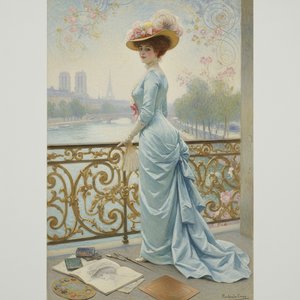
Helleu tunnetaan parhaiten Belle Époque-ajan Pariisin seurapiirien eleganttien naisten muotokuvistaan. Tunnettuja kohteita olivat muun muassa Marlboroughin herttuatar, Marchesa Casati, Belle da Costa Greene, Louise Chéruit ja Helena Rubenstein. Hänen kykynsä vangita heidän kauneutensa ja arvokkuutensa hienostuneella eleganssilla toi hänelle laajaa tunnustusta.
- Muotokuvat: Helleun muotokuvia ylistetään niiden herkistä linjoista, hienovaraisesta väripaletista ja tavasta, jolla ne välittävät sekä fyysisen muodon että persoonallisuuden. esi
- Kuivaneulaetsaukset: Hänen kuivaneulaetsauksensa olivat erityisen suosittuja, mikä mahdollisti useiden vedosten jakamisen ystäville ja perheelle. Hän tuotti uransa aikana yli 2 000 tällaista teosta.
- Grand Central Terminalin seinämaalaus: Merkittävä saavutus oli tilaustyö, jossa hän loi tähtikuvia esittävän seinämaalauksen New Yorkin Grand Central Terminalin kattoon. Tämä kunnianhimoinen projekti näytti hänen taiteellisen visionsa valtavassa mittakaavassa.
Perintö ja historiallinen merkitys
Paul César Helleun työ ilmentää Belle Époque -ajan henkeä – aikakautta, jota leimasivat optimismi, eleganssi ja taiteellinen innovaatio. Hänen muotokuvansa tarjoavat arvokkaan kurkistuksen Pariisin yläluokan elämään ja muotiin tänä aikana.
- Vaikutus taiteeseen: Helleun innovatiivinen kuivaneulaetsauksen käyttö vaikutti myöhempiin graafikkojen sukupolviin.
- Belle Époque-ajan edustaja: Häntä pidetään yhtenä merkittävimmistä taiteilijoista, jotka tavoittivat Belle Époque -ajan olemuksen ja esteettiset ihanteet.
- Perintö perheessä: Huomionarvoista on, että hän oli Jean Helleun isä ja Jacques Helleun isoisä, molemmat vaikuttavia Parfums Chanel -merkkiin kuuluvia taiteellisia johtajia, mikä osoittaa kestävän perheyhteyden taiteen ja muotoilun maailmaan.
Helleun teoksia on edustettuna suurissa museoissa ympäri maailmaa, mukaan lukien Musée d'Orsay ja Louvre Pariisissa, sekä Tate Lontoossa ja Metropolitan Museum of Art New Yorkissa.
Kysymykset ja vastaukset
Onko Paul César Helleu esittelyssä aikajärjestyksessä?
Paul César Helleu'n ura avautuu vaihe vaiheelta artistin Kronikka -sivulla: vaakasuuntainen aikajana teoksista, ryhmiteltynä uravaiheiden mukaisiin lukuihin.
Onko Paul César Helleu teoksista saatavilla aikajana?
Paul César Helleu'n teokset ovat nähtävissä aikajärjestyksessä artistin Teosten aikajana -sivulla.
Mistä Paul César Helleu on kotoisin?
Paul César Helleu on syntynyt Ranska.