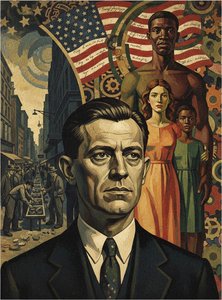
Larry Rivers: Elämä taiteessa, musiikissa ja elokuvassa
- Syntynyt: 17. elokuuta 1923, Bronx, Yhdysvallat
- Kuollut: 14. elokuuta 2002
Larry Rivers (syntynyt Yitzroch Loiza Grossberg) oli monilahjakas amerikkalainen taiteilija, jonka ura kietoutui saumattomasti maalaustaideen, musiikin, elokuvan ja näyttämisen maailmoihin. Hänet tunnetaan laajalti Pop Artin kehityksen keskeisenä hahmona; hän rakensi siltaa abstraktin ekspressionismin emotionaalisen voiman ja nousevan populaarikulttuurin kuvaston välille. Taiteellisten lajien ainutlaattuna yhdistelmänä ja persoonallisena visionäärinä hän vakiinnutti paikkansa 20. vuosisadan taidehistorian merkittävimpänä vaikuttajana.
Varhaiset vuodet ja musiikilliset juuret
Riversin varhaislapsuus oli värittynyt Bronxin eläväisellä kulttuurilla. Hän syntyi ukrainalaisen juutalaisen immigrantiperheen poikana, ja tämä tausta muovasi hänen maailmankuvaansa syvästi. Vuosina 1940–1945 Rivers toimi jazz-saksofonistina New Yorkin sykkivissä klubeissa. Juuri tähän aikaan hän otti käyttöön nimen "Larry Rivers", ja hänet esiteltiin paikallisessa pubissa kuuluisasti nimellä ”Larry Rivers and the Mudcats”. Hänen opintonsa Juilliard School of Musicissa vuosina 1945–1946 toivat mukanaan musiikillisen perustan, joka säilyi hänen koko uransa ajan. Hän opiskeli Miles Davisin rinnalla, ja heidän välillään kukoistava ystävyys kesti eliniän. Tämä musiikillinen tausta jätti pysyvän jäljen hänen maalaustaideeseensä, tuoden teoksiin rytmiä ja improvisaation tuntua.
Taiteellinen kehitys ja Pop Artin uranuurtaja
Vuonna 1945, Georges Braquen inspiroimana, Rivers aloitti polkunsa maalaustaiteen parissa. Hänen taiteellinen kehityksensä kiihtyi Hans Hofmann Schoolissa vuosina 1947–1948, mikä osoittautui ratkaisevaksi vaiheeksi hänen tyylinsä muovautumisessa. Vaikka Rivers yhdistettiin New Yorkin koulukunnan maalareihin, hän erottui joukosta kyvyllään sulauttaa abstraktin ekspressionismin tekniikat osaksi populaarikulttuurin elementtejä. Monet tutkijat pitävät häntä Pop Artin keskeisenä esi-isänä juuri tämän innovatiivisen tyylien fuusion vuoksi. Hänen kielellinen ilmaisunsa oli ainutlaatuista: hän käytti historiallisia kertomuksia, arkisia esineitä ja itsetietoisia elementtejä haastaakseen perinteiset taiteelliset rajat. Erityisen ikonisena teoksena pidetään vuoden 1953 "Washington Crossing the Delaware" -maalausta, joka herätti laajaa keskustelua taiteen ja representaation luonteesta.
Merkittävät teokset ja taiteelliset kohtaamiset
Riversin ura oli täynnä merkittäviä saavutuksia ja yhteistyöprojekteja. Hänen suuren mittakaavan maalauksensa "Washington Crossing the Delaware" (195av) päätyi Museum of Modern Art -museon kokoelmiin, mikä vakiinnutti hänen maineen maailmanluokan taiteilijana. 1960-luvun alussa Rivers asui Hotel Chelseassä, joka toimi aikansa taiteellisen ja kirjallisen elämän sydämenä. Tässä ympäristössä hän kohtasi ja teki yhteistyötä lukemattomien legendojen, kuten Yves Klein, Arman, Jean Tinguely ja Niki de Saint-Phalle kanssa, osallistuen ajan luovaan ilmapiiriin. Rivers ei rajoittunut vain kankaalle; hän kokeili elokuvaa ja dokumentointia, muun muassa Pierre Dominique Gaisseaun kanssa projektissa "Africa and I" (1967), joka sisälsi vaarallisen matkan Afrikan halki. Hänen taiteensa rajat ylittivät myös kirjallisuuden, sillä hänen läheiset suhteensa runoilijoihin, kuten Frank O'Haraan ja Kenneth Kochiin, synnyttivät teoksia, joissa runous ja visuaalisuus kietoutuivat yhteen.
Perintö ja historiallinen merkitys
Larry Riversin uranuurtotyölle on suuri merkitys Pop Artin historiassa; hän raivasi tietä taiteilijoille, kuten Andy Warholille. Hänen kykynsä yhdistää abstraktio narratiiviin ja populaarikuvastoon oli vallankumouksellista. Vuonna 2002 järjestetty suuri retrospektiivinen näyttely Washington D.C.:n Corcoran Gallery of Artissa vahvisti hänen asemansa taidehistorian kanonissa. Hänen perintöään vaalitaan aktiivisesti, ja New York University on hankkinut Larry Rivers Foundationilta kirjeenvaihtoa ja dokumentteja tulevia sukupolvia varten. Vaikka hänen elämänsä ja työnsä liittyivät joskus myös yksityisyyteen liittyviin kiistoihin, kuten jälkikäteen syntyneeseen kohuun tietystä perheaiheisesta elokuvasta, hänen taiteellinen vaikutuksensa säilyy murtumattomana osana modernia taidehistoriaa.
Kysymykset ja vastaukset
Mihin historialliseen aikakauteen Larry Rivers kuului?
Larry Rivers työskenteli Modernismi -aikakaudella. Aikakausi sijoittaa taiteilijan toiminnan historialliseen kontekstiin.
Onko Larry Rivers esitelty aikajärjestyksessä?
Larry Rivers-taiteilijan Ura kronikka on vieritettävä aikajana, joka esittää taiteilijan teokset kronologisessa järjestyksessä jaettuna uravaiheita vastaaviin lukuihin.
Onko Larry Rivers teoksista saatavilla täydellinen lista?
Voit selata kaikkia tämä sivusto-sivuston Larry Rivers teoksia artistin Kaikki teokset -sivulta.