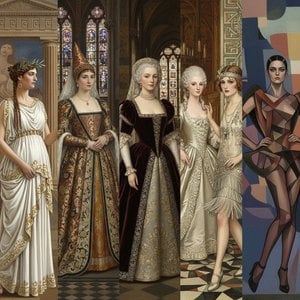
Hubert de Givenchy: Pariisin eleganssin arkkitehti
Hubert de Givenchyn nimi on erottamattomasti kytkeytynyt Hollywoodin kultakauden glamouriin ja uudelle määritellyyn näkemykseen sodan jälkeisestä tyylikkyydestä. Vuonna 1927 Beauvaisissa, Ranskassa syntynyt mies kasvoi aristokraattiseen perintöön – hänen isoisänsä oli suunnitellut tapeteita Gobelinsin kudontatehtaalle – ja hän peri itselleen paitsi jaloimman sukulinjan, myös taiteellisen herkkyyden, joka muovasi syvästi hänen mullistavaa uraansa. Vaikka nuoruuden kunnianhimot suuntautuivat alun perin oikeustieteeseen, muodin lumo voitti nopeasti ja johdatti hänet opiskelemaan Pariisin École Nationale Supérieure des Beaux-Arts -akatemiaan. Juuri täällä, kukoistavan luovan ilmapiirin keskellä, hän aloitti oppipoikavuotensa Jacques Fathin alaisuudessa, luoden perustan suunnittelufilosofialle, jota leimasivat hillitty eleganssi ja virheetön räätälintaito – vastakohtana aikakauden teatraalisille ja ylenpalttisille tyyleille.
Givenchyn uran alkuvaiheessa hän työskenteli vakiintuneissa muotitaloissa, kuten Lucien Lelongin ja Robert Piguetin alaisuudessa, imeäkseen itseensä vaikutteita samalla kun hän muovasi omaa ainutlaatuista estetiikkaansa. Kuitenkin vasta vuonna 1952 perustettu hänen oma nimeään kantava brändinsä vakiinnutti lopullisesti hänen paikkansa muotihistoriassa. Hylkäämällä aikakauden vallitsevat trendit hän puolusti minimalistista lähestymistapaa, keskittyen monikäyttöisiin vaatekappaleisiin – kuten puseroihin, hameisiin ja takkeihin – jotka oli valmistettu ylellisistä materiaaleista, kuten italialaisesta silkistä ja kashmirista. Tämä tietoinen valinta heijasti halua luoda ajattomia asuja, jotka ylittävät ohimenevät muotivirtaukset ja ilmentävät hiljaista itsevarmuutta sekä hienostunutta arvokkuutta. Hänen suunnitelmansa eivät pyrkineet prameiluun, vaan ne juhlistivat kantajansa sisäänrakennettua kauneutta.
Rohkea yhteistyö: Audrey Hepburn ja tyyli-ikonin synty
Vaikka Givenchyn varhaiset työt rakensivat hänen mainettaan eleganttien asukokonaisuuksien mestarina, juuri yhteistyö näyttelijä Audrey Hepburnin kanssa nosti hänet kansainväliseen tähteyteen. Heidän suhteensa alkoi sattumanvaraisesti Sabrina-elokuvan kuvauksissa vuonna 1953, jolloin Hepburn etsi suunnittelijaa, joka kykenisi vangitsemaan hänen kuvansa hienostuneena ja itsenäisenä nuorena naisena. Tunnistaessaan välittömän yhteyden Givenchy suunnitteli elokuvaan sarjan upeita iltapukuja, mikä loi luovan kumppanuuden, joka kesti yli kaksi vuosikymmentä.
Tämän yhteistyön ikonisimpana tuotteena oli kiistatta niin kutsuttu ”pieni musta mekko”, jonka Hepburn puki ylleen Breakfast at Tiffany’s -elokuvassa (1961). Enemmän kuin pelkkä vaate, sestä tuli ajattoman eleganssin ja naisellisen sulavuuden symboli – Holly Golightlyn arvoituksellisen viehätyksen ruumiillistuma. Italialaisesta silkistä huolellisesti valmistettu, mutta muotoilultaan petollisen yksinkertainen mekko täydensi täydellisesti Hepburnin siroa vartaloa ja säteilevää kauneutta. Se ei ollut pelkkä asu; se oli tarkkaan harkittu lausunto tyylistä, itsevarmuudesta ja onnen tavoittelusta. Hepburn itse pyysi kuuluisasti kolme kappaletta mekosta, tunnistaen sen potentiaalin tulla pysyväksi osaksi minkä tahansa naisen vaatekaappia.
Pitkälle Breakfast at Tiffany’s -elokuvan ulkopuolelle Givenchy jatkoi Hepburnin pukujen suunnittelua koko tämän uran ajan, luoden asuja myös elokuviin kuten Charade ja Paris When It Sizzles. Heidän suhteensa ulottui valkokankaan taakse; he olivat läheisiä ystäviä, ja Hepburn kutsui Givenchyä usein ”parhaaksi ystäväkseen”. Tämä henkilökohtainen yhteys täytti heidän yhteistyönsä aidolla lämmöllä ja keskinäisellä kunnioituksella, mikä johti suunnitelmiin, jotka tuntuivat yhtä aikaa mestarillisesti valmistetuilta ja syvästi henkilökohtaisilta.
Hollywoodin rajojen ulkopuolella: Haute Couture -perintö ja tuoksut
Vaikka hänen kytköksensä Audrey Hepburniin määritteli suureksi osaksi hänen julkista kuvaansa, Hubert de Givenchyn vaikutus ulottui paljon kauemmas kuin elokuvamaailmaan. Hän jatkoi haute couture -kokoelmien suunnittelua 1960- ja 70-luvuilla säilyttäen maineen virheettömästä räätälöinnistä ja hienostuneista silueteista. Hänen suunnitelmiaan suosivat kuninkaalliset, julkisuuden henkilöt ja vaativat naiset ympäri maailmaa – mukaan lukien Jacqueline Kennedy Onassis, joka käytti usein Givenchyn pukuja ja mekkoja.
Tunnistaessaan kasvavan kysynnän hajuvesilleen, Givenchy lanseerasi hajuvesiosastonsa vuonna 1957 luoden sarjan ikonisia tuoksuja, joita arvostetaan edelleen. L’Interdit, Amarige ja Organza ovat vain muutamia esimerkkejä hänen mestarillisesta taiteen ja hajuaistin asiantuntemuksen yhdistämisestä. Brändin menestys vahvisti Givenchyn aseman todellisena visionäärinä, osoittaen hänen kykynsä siirtää suunnittelufilosofiansa muihinkin luoviin medioihin.
Ajaton vaikutus
Hubert de Givenchy kuoli Neuilly-sur-Seine, Ranskassa, maaliskuussa 2018 jättäen jälkeensä perinnön, joka jatkaa inspiroimista suunnittelijoissa ja muodin ystävissä ympäri maailmaa. Hänen sitoutumisensa ajattomaan eleganssiin, huolellinen tarkkuutensa yksityiskohdissa sekä syvä ymmärryksensä naisellisesta muodosta ovat vakiinnuttaneet hänen paikkansa yhtenä 20. vuosisadan muodin vaikutusvaltaisimmista hahmoista. ”Pieni musta mekko”, kestävä hajuvesikokoelma ja lukemattomat upeat asut, jotka hän loi Audrey Hepburnille – kaikki nämä seisovat todistuksina urasta, jota määrittivät sivistys, hienostuneisuus ja järkkymätön omistautuminen kauneudelle.
Kysymykset ja vastaukset
Kuinka suosittuja Hubert De Givenchy's teokset ovat?
Tiedot Hubert De Givenchy:n teoksista löytyvät artistin Tilastot -sivulta.
Miten voin nähdä kaikki Hubert De Givenchy -taiteilijan teokset?
Jokaisen tämä verkkosivusto-sivustolla olevan Hubert De Givenchy teoksen voi selata artistin Kaikki teokset -sivulta.
Voinko tutkia Hubert De Givenchy teoksia aiheen mukaan?
Aiheatlas-sivu esittelee Hubert De Givenchy'n teokset aiheittain.