Käsityöstä kumpuava elämä: Edward Birdin varhaisvuodet
Wolverhamptonin teollisessa sydämessä vuonna 1772 syntyneen Edward Birdin taiteellinen matka ei alkanut kankaiden ja öljyvärien äärellä, vaan puusepänverstaan käytännönläheisessä maailmassa – isänsä ammatin parissa. Tämä käsityötaitoon juurtunut pohja osoittautui odottamattomaksi kasvun tueksi. Nuori Edward opetteli alun perin japannaus-tekniikkaa, hioen taitojaan maalaamalla koristeellisia kuvioita teepannujen ja -tarjottimien pinnalle; se oli äärimmäistä tarkkuutta ja silmää yksityiskohdille vaativa prosessi. Juuri tämä varhainen kurinalaisuus, joka oli kaukana myöhemmin hänen omaksumistaan historian maalausten suurista kertomuksista, loi perustan hänen taiteelliselle tulevaisuudelleen. Vuonna 1794 Bird etsi laajempia horisontteja ja muutti Bristoliin, kukoistavaan satamakaupunkiin, jossa vallitsi eloisa kulttuuriympäristö. Siellä hän avioitui Martha Dodrellin kanssa ja aloitti uransa itsenäisenä taiteilijana ottaen vastaan tilauksia, jotka ulottuivat intiimeistä muotokuvista kirjojen kuvituksiin ja paikallisten kirkkojen koristemaalauksiin. Tämä ajanjakso oli vakiintumisen aikaa, jolloin hän hioi tekniikkaansa ja alkoi vakiinnuttaa asemaansa taiteellisessa yhteisössä.Bristol School ja taiteellinen kukoistus
Bristol osoittautui paljon enemmän kuin vain työnteon paikaksi; siitä tuli älyllinen ja luova sulatusuuni. Bird löysi itsensä nopeasti niin kutsutun ”Bristol Schoolin” sydämestä – epävirallisen taiteilijaryhmän, johon kuuluivat muun muassa Edward Villiers Rippingille ja Nathan Cooper Branwhite, ja jota yhdisti kokeilemisen henki sekä keskinäinen kannustaminen. Kyseessä ei ollut muodollisesti rakenteellinen akatemia, vaan dynaaminen verkosto, jossa ideat virtasivat vapaasti ja taiteellisia rajoja siirrettiin varovasti eteenpäin. Birdille käänteentekevä suhde oli ystävyys George Cumberlandin kanssa, taidekeräilijän ja asiantuntijan, jonka laaja kirjasto ja kokoelmat tarjosivat arvokasta pääsyä taiteelliseen inspiraatioiden maailmaan. Cumberlandin suojelu avasi ovia vanhojen mestareiden teosten tutkimiseen, mikä muovasi Birdin esteettistä tajua. Bristol School puolestaan edusti naturalistista tyyliä, jossa painotettiin raikkaita väripaletteja ja arkipäivän tarkkaa havainnointia – ominaisuuksia, joista tuli Birdin työn tunnusmerkkejä ja jotka vaikuttivat syvästi muun muassa Rippingilleen ja myöhemmin Francis Danbylle. Säännölliset iltaharjoitukset luonnospiirroksissa sekä retket ympäröivään maaseutuun ruokkivat sekä teknistä taitoa että yhteistä taiteellista visiota.Tunnustus Lontoossa ja siirtymä historiallisiin teemoihin
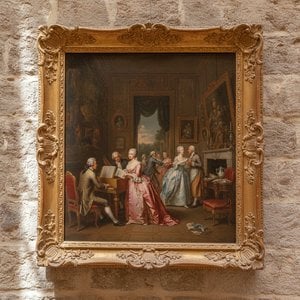
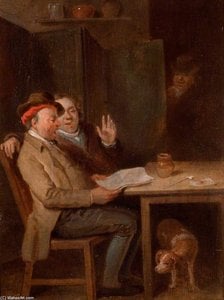
Vuosi 1809 merkitsi käännekohtaa Birdin uralla. Hänen teoksensa Good News, jonka hän lähetti Royal Academyan, herätti välitöntä huomiota; sen vangitseva kerronta ja taitava toteutus resonoivat niin kriitikoiden kuin tilaajienkin sydämissä. Tämä menestys toi mukanaan kuninkaallisen tunnustuksen, kun prinssiregentti hankki hänen maalauksensa The Country Choristers ja tilasi teoksen Blind Man’ää Buff. Nämä tilaukset eivät ainoastaan vahvistaneet Birdin mainetta, vaan toivat myös taloudellista vakautta, mikä mahdollisti kunnianhimpoisempien projektien tutkimisen. Hän aloitti siirtymän kohti historiallista maalausta erikoistuen dramaattisiin taistelukohtauksiin – lajilaitokseen, joka vaati sekä teknistä mestaruutta että voimakasta kerronnallista tunnetta. Teokset kuten The Field of Chevy Chase ja The Day After the Battle osoittivat hänen kasvavaa kykyään vangita historiallisten tapahtumien intensiteetti ja emotionaalinen painoarvo. Tämä kukoistava menestys huipentui merkittäviin tunnustuksiin: valinta Royal Academyn jäseneksi vuonna 1812, nimitys prinsessa Charlotten historiallista maalaajaksi vuonna 1813 ja täysi jäsenyys Royal Academyyn vuonna 1815.Myöhemmät vuodet, perintö ja taiteellinen tyyli
Huolimatta saavutetusta suuresta arvostuksesta, Birdin myöhemmät vuodet varjostuivat heikkenevästä terveydestä ja taiteellisista haasteista. Hänen yrityksensä laajoihin historiallisiin maalauksiin osoittautuivat odotettua vaikeammiksi, ja hän kamppaili säilyttääkseen aiemman menestyksensä vauhdin. Hän kuoli 2. marraskuuta 1819 jättäen jälkeensä monipuolisen tuotannon, jota juhlittiin retrospektiivisessä näyttelyssä Bristolissa pian hänen kuolemansa jälkeen. Edward Bird muistetaan keskeisenä hahmona brittiläisessä taidehistoriassa, erityisesti panoksestaan Bristol Schoolin kehitykselle ja ainutlaatuminen kyvylleen yhdistää genre-maalaus saumattomasti historiallisiin teemoihin. Hänen vaikutuksensa ulottui oman piirinsä ulkopuolelle inspiroiden seuraavia taiteilijasukupolvia, jotka omaksuivat naturalismin ja pyrkivät tavoittamaan arkipäivän aitouden. Vaikutteet ja taiteellinen tyyli:- Varhaiset vaikutteet: Tarkkuus ja koristeelliset taidot, jotka hioituivat japannaus-tekniikan kautta.
- George Cumberlandin kokoelma: Altistuminen laajalle kirjolle taiteellisia tyylejä ja mestareita, mikä laajensi hänen esteettisiä horisonttejaan.
- Sir David Wilkie: Aluksi Bird pyrki haastamaan Wilkien hallitsevan aseman genre-maalauksessa, vaikka heidän suhteensa kehittyikin monimutkaiseksi kilpailuksi ja keskinäiseksi kunnioitukseksi.
- Taiteellinen tyyli: Tunnetaan naturalismista, raikkaista väreistä sekä yksityiskohtaisista kuvauksista arkipäivän elämästä ja merkittävistä historiallisista tapahtumista. Hän yhdisteli taitavasti genre- ja historiallista maalausta luoden teoksia, jotka olivat sekä emotionaalisesti vaikuttavia että teknisesti täydellisiä.
Kysymykset ja vastaukset
Voinko selata Edward Bird teoksia väripaletin mukaan?
Edward Bird'n teoksia voi selata väripaletin mukaan taiteilijan Väripalettien mukaan -sivulla.
Voinko tutkia Edward Bird teoksia avainsanojen avulla?
Edward Bird-taiteilijan Avainsanoittain -sivu ryhmittelee taiteilijan teokset niiden avainsanojen mukaan.
Mistä voin nähdä Edward Bird teosten väriprofiilin?
Edward Bird teosten väriprofiili on nähtävissä taiteilijan Paletin genomi -sivulla.