Carlos Scliar: A Pioneer of Brazilian Abstract Expressionism
Carlos Scliar (1920-2001) stands as a monumental figure in Brazilian art history, recognized for his unwavering dedication to abstract expressionism and landscape painting—styles that profoundly shaped the artistic landscape of mid-century Brazil. Born in Santa Maria, Rio Grande do Sul, he embarked on an artistic journey marked by formal training under Gustav Epstein, fostering a foundational understanding of European avant-garde principles. This early influence would prove crucial as he honed his skills at São Paulo’s Liceu de Artes e Ofícios and subsequently at the Escola Nacional de Belas Artes in Rio de Janeiro.
- Early Influences & Training: Epstein's guidance instilled a commitment to experimentation and formal exploration, preparing Scliar for his subsequent engagement with Grupo Frente and Grupo Santa Helena – collectives that championed modernist ideals within Brazilian art circles.
- Parisian Period (1946): A formative trip to Paris saw him immerse himself in the École Nationale Supérieure des Beaux-Arts, absorbing the dynamism of European artistic discourse and solidifying his stylistic vision.
- New York Exploration (1951): Studying at the Art Students League broadened Scliar’s perspective, exposing him to American abstract expressionist techniques and furthering his exploration of color and texture.
The Grupo Frente & Neoconcreto Movement: Shaping Brazilian Modernism
Scliar's artistic trajectory intersected powerfully with Grupo Frente (1945) and Grupo Neoconcreto (1957), movements that actively sought to redefine Brazilian art’s aesthetic boundaries. Frente, initially driven by a desire for intellectual engagement alongside artistic creation, established Scliar as a key voice advocating for critical dialogue within the art world. Neoconcreto, however, propelled him toward a more radical exploration of geometric abstraction—a stylistic shift that cemented his reputation as a champion of minimalist aesthetics and a pioneer in Brazilian concrete art. His canvases became characterized by bold color palettes and simplified forms, reflecting the broader intellectual currents of the era.
Notable Works & Artistic Style
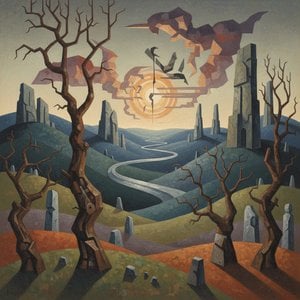
Scliar’s oeuvre is distinguished by two dominant stylistic approaches: expansive landscapes imbued with atmospheric depth and emotionally resonant abstract paintings that prioritize color and texture as primary expressive elements. Pieces like “Landscape XXII” exemplify his masterful manipulation of pigment to convey mood and evoke a sense of sublime grandeur, mirroring the influence of Turner and Cézanne on his artistic vision. Simultaneously, his abstract compositions—such as "Still Life"—demonstrate an unwavering dedication to exploring the fundamental qualities of visual perception.
Legacy & Historical Significance
Carlos Scliar’s contribution extends beyond individual artworks; he served as a pivotal figure in establishing Brazilian abstract expressionism as a distinct artistic idiom and fostering a critical engagement with art's role in cultural discourse. His unwavering commitment to experimentation, coupled with his participation in influential collectives like Grupo Frente and Grupo Neoconcreto, ensured that his work would resonate throughout the latter half of the 20th century—leaving an indelible mark on Brazilian art history and inspiring generations of artists to pursue innovative approaches to visual representation. He is remembered as a true visionary who championed artistic freedom and intellectual rigor.