

Introduction: The Timeless Appeal of Three-Dimensional Art
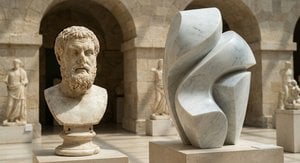
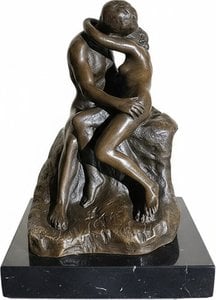
Sculpture is the branch of the visual arts that operates in three dimensions. Sculpture is the three-dimensional art work which is physically presented in the dimensions of height, width and depth. It is one of the plastic arts. Durable sculptural pr...
From the earliest chipped stones to the monumental bronzes of our age, sculpture has held a unique position within the visual arts – a testament to humanity’s enduring desire to capture form, meaning, and emotion in tangible space. Unlike painting, which relies on illusion and perspective, sculpture exists *in* the world, demanding a physical presence that resonates with our own embodied experience. It is an art of weight, volume, and texture; a dialogue between artist, material, and observer. For the discerning collector, understanding the evolution of sculptural practice – its techniques, philosophies, and cultural contexts – unlocks not only a deeper appreciation for individual works but also provides invaluable insight into the broader currents of human history.
Ancient Roots: Sculpture as Ritual, Power, and Narrative (Prehistory – 500 CE)
The origins of sculpture are inextricably linked to ritual and belief. The small, enigmatic Venus figurines unearthed across Paleolithic Europe—often referred to as “Venus of Willendorf” or similar designations—speak to a profound preoccupation with fertility and the life-giving forces of nature. These were not merely decorative objects; they likely served as votive offerings or symbols within complex spiritual practices. As civilizations emerged, sculpture became increasingly entwined with power structures. The colossal heads of the Olmec civilization in Mesoamerica, for example, project an aura of authority and divine rule, while the monumental scale of Egyptian statuary—the Sphinx at Giza, the imposing figures of pharaohs—underscored their absolute dominion. The Egyptians’ mastery of stone carving, coupled with a highly formalized aesthetic, ensured that these works would endure as lasting symbols of their civilization. Further east, the Terracotta Army guarding the tomb of Emperor Qin Shi Huang in China demonstrates not only remarkable technical skill but also a sophisticated understanding of mass production and the importance of the afterlife. These early sculptures weren’t simply representations; they were integral components of complex belief systems and expressions of societal order.
The Classical Ideal & Beyond: Greece, Rome, and the Medieval Transformation
Ancient Greece represents a pivotal moment in the history of sculpture. Driven by philosophical ideals of beauty, proportion, and humanism, Greek sculptors sought to capture the perfect form—a harmonious balance between anatomy, movement, and emotion. The *Kritios Boy*, with its subtle contrapposto stance, marks a departure from earlier rigid forms, introducing a sense of naturalism and vitality. Roman sculpture, while heavily influenced by Greek precedents, developed its own distinct character, emphasizing realism in portraiture and narrative relief—as exemplified by the Column of Trajan’s detailed depictions of military campaigns. The fall of the Roman Empire brought about a significant shift in sculptural priorities. During the Medieval period, particularly within the context of Gothic cathedrals, sculpture became primarily devotional. Intricate carvings adorned church facades, depicting biblical scenes and figures with an emphasis on emotional intensity rather than anatomical accuracy. These sculptures were not intended as independent works of art but as integral components of a larger religious narrative, designed to inspire faith and reverence.
Renaissance Revival & Baroque Dynamism: Humanism and Emotional Expression
 The Enduring Legacy of Renaissance Art: Innovation, Humanism & Mastery
Explore the enduring legacy of Renaissance art! Discover its historical context, humanist ideals, iconic masterpieces, and lasting influence on Western art with .
The Renaissance witnessed a renewed interest in classical antiquity, prompting a revival of sculptural forms and techniques. Artists like Michelangelo—whose *David* embodies the humanist ideal of human potential—sought to emulate the grandeur and naturalism of Greek and Roman sculpture. This period also saw a growing emphasis on individual expression and artistic virtuosity. The Baroque era, which followed, embraced drama, movement, and emotional intensity. Sculptors such as Bernini pushed the boundaries of technique, creating dynamic compositions that blurred the lines between sculpture, architecture, and painting. His *Ecstasy of Saint Teresa* exemplifies this theatrical approach, capturing a moment of profound spiritual experience with breathtaking realism and emotional power. The Renaissance and Baroque periods represent a confluence of classical ideals, humanist philosophies, and artistic innovation, resulting in some of the most iconic sculptures in Western art history.
Modernist Disruptions: Abstraction, Materials, and New Forms
The 20th century brought about radical changes to sculptural practice. Artists began to question traditional notions of representation, embracing abstraction as a means of exploring form, space, and emotion. Pioneers like Constantin Brancusi stripped away extraneous detail, reducing forms to their essential elements—as seen in his elegant *Bird in Space*. Others experimented with new materials—steel, aluminum, plastic—challenging the conventional association between sculpture and traditional mediums like stone or bronze. Constructed sculpture, assemblage, and found object art further expanded the definition of what constituted a sculptural work. Artists such as Max Ernst created striking surrealist sculptures that challenged viewers’ perceptions of reality. This period saw a rejection of established norms and an embrace of experimentation, paving the way for a diverse range of sculptural approaches.
Contemporary Sculpture: Expanding Boundaries and Conceptual Approaches
Contemporary sculpture is characterized by its eclecticism and conceptual depth. Artists continue to push boundaries, exploring new materials, technologies, and modes of expression. Kinetic sculptures introduce movement as an integral element, while installation art transforms entire spaces into immersive environments. Vivan Sundaram’s multimedia works address complex social and political issues through a diverse range of media, including painting, sculpture, photography, and collage. Marisol Escobar's Pop Art assemblages offer insightful commentary on identity and femininity. The use of digital fabrication techniques—3D printing, laser cutting—has opened up new possibilities for creating intricate and complex forms. Today’s sculptors are not limited by traditional constraints; they embrace interdisciplinary approaches, blurring the lines between art, science, and technology. At WahooArt.com, we celebrate this diversity, offering a curated selection of both historical masterpieces and contemporary works that reflect the enduring power and evolution of sculptural practice. Whether you are seeking to acquire a timeless bronze or explore the cutting edge of contemporary form, our team is dedicated to providing expert guidance and unparalleled service. Explore our collection today and discover the transformative potential of sculpture.