Myy
x
EsikatseluEsikatselu Esikatsele AR-tilassaEsikatsele AR-tilassa Osta printti Osta printtiOsta kuva Osta kuva JaaJaa
Tarkemmat tiedotTarkemmat tiedot Lisää suosikkeihin Lisää suosikkeihin LataaLataa SamanlaisiaSamanlaisia RöntgenkuvaRöntgenkuva DiaesitysDiaesitys

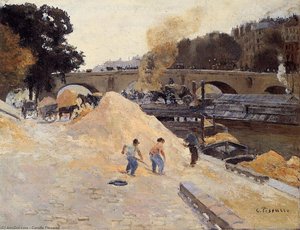
Seine Pariissa

João Joaquim Marques da Silva Oliveira'n maalauksesta 'Seine Pariissa'. Rauhallinen maisema Pariisin keskustassa, täynnä nostalgisia sävyjä ja Corotin vaikutusta. Tutustu täydelliseen yksityiskohtaan!

João Joaquim Marques de Oliveira (1853-1927): Explore the serene landscapes of this leading Portuguese Naturalist painter & educator. Discover his plein-air techniques and lasting impact on Porto's art scene! Browse artworks now.

Käsinmaalattu öljykopio

Käsinmaalattu öljyväri kankaalle haluamassasi koossa ja kehyksissä, taiteilijoidemme valmistamana tilauksesta. (Osta printti Osta printtiOsta kuva Osta kuva)

P118B $10
P118H $10
P118W $10
P438Z $10
P508JH $12
P508YH $12
P805H $10
P805Z $10
P919BZ $10
P919G $10
P919XJ $10
P959ZH $10
P968JZ $12
W106C $8
W218G $10
W218JH $8
W218Y $10
W307PJ $10
W316G $10
W316PJ $8
W316Y $10
W398PJ $8
W4111J $10
W500HY $15
W500JH $15
W692G $12
W849H $8
W940BG $15
W953PJ $8

Standard
custom
CM
INCH

Valitse valmiista mitoistamme sellaiset, jotka vastaavat teoksen alkuperäisiä mittasuhteita.

leveys
korkeus

Voit syöttää omat mitat sopimaan tiettyyn kehykseen tai tilaan. Jos valitsemasi koko ei vastaa alkuperäisen kuvan mittasuhteita, rajaamme taideteoksen tai jatkamme maalausta käsin maalatuilla elementeillä. Digitaalinen esikatselu lähetetään hyväksyttäväksi ennen tuotannon aloittamista.
Huomioithan, että näytöllä oleva esikatselu ei vastaa todellista rajausta tai jatkamista. Vain digitaalinen mallikuva näyttää lopullisen sommittelun tarkasti.
Vaikka mittatilaustyöt ovat mahdollisia, suosittelemme valitsemaan mitan ennalta määritetystä listasta alkuperäisten mittasuhteiden säilyttämiseksi.

Esimerkkejä muutettavissa olevista asioista: Vaihda kasvot asiakkaan omaan valokuvaan; Lisää lemmikki (esim. korvaa kissa koiralla); Lisää piilotettu viesti taustaan; Muuta taustan maisemaa tai elementtejä.
Tilauksen jälkeen WahooArt.com -tiimi lähettää asiakkaalle ohjeet ja esikatselukuvan.

Maailmanlaajuinen toimitus () 3–4 viikossa tavallisen 5 viikon sijaan. (14 elokuu). Laadusta ei tingitä.

why_choose_icon
Ilmainen pikatoimitus ympäri maailman
why_choose_icon
Korkealaatuinen pellavakangas
why_choose_icon
Kattava kuljetusvakuutus
why_choose_icon
Tulliveron palautustakuu
why_choose_icon
Täydellinen värien vastaavuustakuu
why_choose_icon
60 päivän palautusoikeus (vain valmistusvirheet)
why_choose_icon
100% rahat takaisin -takuu
why_choose_icon
Määräalennus tarjous

Kokonaishinta

$ 272

reproduction

Seine Pariissa

Reproduktiotekniikka

Replikaatin koko

-

Kokonaishinta

$ 272

Pikaista tietoa

  • Medium: Oil On Canvas
  • Year: 1906
  • Notable elements or techniques: Plein-air painting; muted color palette; loose brushstrokes.
  • Location: Private Collection
  • Title: The Seine in Paris
  • Movement: Impressionism
  • Artist: João Joaquim Marques da Silva Oliveira

Teoksen kuvaus

João Joaquim Marques da Silva Oliveira: A Painter's Reverie Over Parisian Light

João Joaquim Marques de Oliveira (1853-1927) stands as a cornerstone of Portuguese landscape painting, particularly renowned for his masterful depictions of the Seine River in Paris. More than just capturing a visual scene, Oliveira sought to distill the very essence of Impressionism – a movement that profoundly influenced him during his formative years abroad – into canvases imbued with quiet contemplation and subtle emotion. His artistic journey began at eleven when he enrolled in Porto’s Escola Superior de Belas-Artes, where he honed his skills under luminaries like Alexandre Cabanel and Adolphe Yvon, absorbing the academic traditions alongside explorations of naturalism. However, it was his relocation to France that truly cemented his legacy as a visionary artist.
  • Style: Oliveira’s work embodies the tenets of Impressionism, prioritizing fleeting moments of light and color over meticulous detail. He eschewed traditional compositional conventions in favor of looser brushstrokes and an emphasis on capturing atmospheric conditions – a deliberate reaction against the rigid formalism prevalent at the time.
  • Technique: Primarily utilizing oil paints on canvas or panel, Oliveira favored a technique characterized by layering thin glazes to build up tonal gradations and achieve luminous effects. He meticulously observed the interplay of sunlight and shadow, striving to reproduce the subtle nuances of Parisian light with remarkable accuracy.
  • Historical Context: Oliveira’s artistic output coincided with the burgeoning influence of Cézanne and Picasso in Paris – artists who were reshaping European painting through their pioneering explorations of Cubism. Yet, Oliveira remained steadfastly committed to his naturalist training, rejecting the avant-garde impulses of his contemporaries.
The Seine in Paris: This particular canvas exemplifies Oliveira’s signature approach. The hazy Parisian atmosphere is rendered with delicate pastel hues—primarily shades of grey interwoven with rosy pinks and golden yellows—creating a mood of melancholic beauty. The composition centers around the river itself, subtly reflecting the architectural silhouettes of buildings lining its banks. Figures are sparsely populated within the scene, appearing as mere patches of color that contribute to the overall impressionistic texture rather than asserting individual presence. Oliveira’s masterful use of color and brushwork echoes the influence of Corot, who championed plein air painting and prioritized capturing the natural radiance of landscapes—a stylistic choice that elevates “The Seine in Paris” beyond a simple depiction of a cityscape. Symbolism & Emotional Impact: Oliveira's paintings aren’t merely representations of places; they are conduits for conveying feelings – primarily nostalgia and contemplation. The muted palette speaks to the passage of time, mirroring the artist’s own reflections on his formative years in France. The painting invites viewers into a state of quiet introspection, encouraging them to appreciate the subtle beauty inherent in everyday life and capturing the timeless essence of Parisian charm. Oliveira's work continues to resonate with audiences today as an embodiment of Impressionistic ideals—a testament to his enduring artistic vision.

Taiteilijan elämäkerta

A Life Immersed in Light and Learning: The World of João Joaquim Marques de Oliveira

João Joaquim Marques da Silva Oliveira, a name resonant within the annals of Portuguese art, was more than simply a painter; he was a pivotal figure who bridged artistic innovation with dedicated education. Born in Porto in 1853, his life unfolded against a backdrop of evolving artistic styles and a burgeoning national identity. From an early age, a clear inclination towards visual expression led him to the Escola Superior de Belas-Artes do Porto at just eleven years old. This formal training provided a solid foundation, but it was his subsequent journey to France – specifically, the prestigious École des Beaux-arts – that truly ignited his artistic development. There, under the tutelage of masters like Alexandre Cabanel and Adolphe Yvon, he absorbed the nuances of academic painting while simultaneously venturing into explorations with colleagues such as António da Silva Porto. These formative years weren’t confined to Parisian studios; extensive travels through Belgium, England, the Netherlands, and Italy broadened his perspective, exposing him to diverse landscapes and artistic traditions that would profoundly influence his future work. His early participation in the Salons of 1876 and 1878 signaled a promising start, showcasing an emerging talent poised to make its mark on the European art scene.

Pioneering Plein-Air and Shaping Artistic Education

Upon his return to Porto in 1879, Marques de Oliveira didn’t merely practice his art; he actively disseminated new ideas. He became a champion of plein-air painting – the act of painting outdoors directly from nature – a revolutionary concept for Portugal at the time. This commitment to capturing the immediacy of light and atmosphere would become a defining characteristic of his style, imbuing his landscapes with a sense of vibrant realism. Simultaneously, he became deeply involved in the artistic community, serving as Vice-President of the Centro Artístico Portuense, an organization dedicated to fostering creativity and innovation. However, perhaps his most enduring legacy lies in his decades-long commitment to art education. From 1881 until 1926, he served as a professor at the Academy in Porto, eventually rising to the position of Director. He wasn’t simply imparting technical skills; he was cultivating a new generation of artists, instilling in them a passion for observation, a dedication to craftsmanship, and an appreciation for the power of artistic expression. Among his notable students were Aurélia de Sousa and Lino António, both of whom would become significant figures in Portuguese art.

Naturalism’s Embrace: Themes and Techniques

Marques de Oliveira's artistic style is firmly rooted in Naturalism, a movement that sought to depict the world with unflinching realism, often focusing on everyday life and landscapes. His paintings are characterized by meticulous attention to detail, a subtle yet masterful handling of light and shadow, and a profound sense of atmosphere. While he explored various subjects throughout his career, he is particularly renowned for his serene landscapes and evocative seascapes. Works like Marina, housed in the Casa-Museu Dr. Anastácio Gonçalves in Lisbon, exemplify his ability to capture the tranquility and beauty of the Portuguese coastline. His paintings aren’t merely representations of places; they are imbued with a sense of mood and emotion, inviting viewers to immerse themselves in the scene. Portrait of António Soares dos Reis demonstrates his skill in portraiture, capturing not just physical likeness but also the character and intellect of his subject. He skillfully blended academic training with the freshness of plein-air observation, resulting in a style that was both technically proficient and emotionally resonant.

A Lasting Influence and National Recognition

Marques de Oliveira’s contributions extended beyond his artistic creations and teaching endeavors. In 1911, he was appointed Chairman of the Board and member of the Executive Committee for Art at the Soares dos Reis National Museum, playing a crucial role in shaping the museum's collection and direction. He later became its Director in 1913, further solidifying his position as a leading figure in Portuguese cultural life. His dedication to art and education was formally recognized posthumously in 1929 with the unveiling of a bronze bust in the Jardim de São Lázaro, adjacent to the Academy – a fitting tribute to a man who had devoted his life to nurturing artistic talent. Today, his works continue to be admired for their technical brilliance, emotional depth, and enduring beauty. His legacy lives on not only through his paintings but also through the countless artists he inspired during his long and distinguished career. He remains a vital link in understanding the development of Portuguese art during the 19th and early 20th centuries, a testament to the power of dedication, innovation, and a lifelong commitment to learning.

Pikatiedot

  • Artistic Movement Or Style: Naturalism
  • Artists Or Movements Influenced By This Artist:
    • Aurélia de Sousa
    • Lino António
  • Artists Who Influenced This Artist:
    • Alexandre Cabanel
    • Adolphe Yvon
  • Date Of Birth: 1853
  • Date Of Death: 1927
  • Full Name: João Joaquim Marques da Silva Oliveira
  • Nationality: Portuguese
  • Notable Artworks:
    • Marina
    • Woman in Rome
    • Portrait of António Soares dos Reis
  • Place Of Birth: Porto, Portugal
Tutustu teoksiin, jotka on järjestetty aiheiden, tyylien ja ominaisuuksien mukaan.