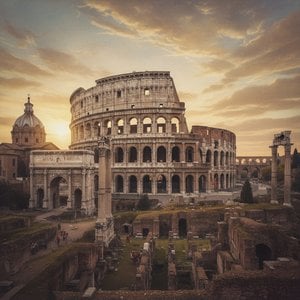
Rooma püha süda: avaliku aareluse algus
Kõrgel Kapitoliini mäel – antiikse Rooma pühas keskmikus – asub ületrepakast väärtuslik aardedamm: Musei Capitolini. See on enam kui lihtsalt muuseum; see on millennide pikkune sügavriline teekond, elav dialoog keisurite ja kunstnike, müütide ja reaalsuse vahel. Paavst Sixtus IV asestas selle 1471. aastal kingitusena Rooma rahvale – alguses Laterani palatsist saadud suurepäraste pronksstatude kogumina –, esindades revolutsionaarset kontsepti: avalik juurdepääs kunstipärandile. See ei olnud pelgalt relikte säilitamine, vaid Rooma püsiva vaimu ja sügava sidumuse minevusega tähistamine – visioon, mis kujundab muuseumikogemust siiani. See erakorraline pärand on juurdunud soovist demokratiseerida kunst, tehes selle kättesaadavaks mitte ainult eliitidele, vaid kõigile kasvava imperiumi kodanikele. See algas teadliku kodaniku горduse tünniga, julge kinnitusega Rooma pühendumusele oma kunstilisele pärandile ja soovile jagada seda maailmaga.
Kapitoliini muuseumide arhitektuurne harmoonia on ise enda väärtuslik teos, mis on Mihkelangelo ambitsioonide tunnistus. Kaks kaksikut palatist – Palazzo dei Conservatori ja Palazzo Nuovo – seisavad Renessanssi ideaalide monumentaalsete avaldustena, nende sümmeetriline disain peegeldades klassikalise Rooma suurmeedlust. Iga hoone aitab luua kogemust, mis läübab pelgama vaatamist; see on tunne, nagu astuks tagasi ajalukku, olles ümbritsetud skulptuuride ja fontäänidega, mis räägivavad Rooma kultuurist sõna ilma. 16. sajavil Mihkelangelo poolt kavandatud Piazza del Campidoglio ei ole lihtsalt plats, vaid hoolikalt lavastatud staadium muuseumi narratiivile, kus lainetav kukkunud põrand ja strateegiliselt asutatud fontäänid juhatavad külastajaid läbi Rooma võimu ja ilu kuratieritud teekonna. Tähelepanu detailidele – alates iga statue asukohast kuni arkadeel – peegeldab Mihkelangelo sügavat arusaatust nii klassikalistest printsiipidest kui ka kaasaegse avaliku ruumi vajadustest. Kogu kompleks tundub vähem ehitiste kogum ja rohkem hoolikalt loodud maailm, mis kutsub üles mõtlemisele ja imetlemisele.
Pronssis ja marmoris valatud ikoonid: Suuruses defineeritud kollektsioon
Need seinad peitavad ikoonid, mis on centuries olnud inimeste kuj कल्पनाid lummanud. Seltsimuseks on ilma ka duda Marcus Aureliuse ratsustatud statue , pronksmeisteriteos, mis püsti 175. aastal pärast Kristuse sündimist. Selle hämmastav säilitumine – õnne ja ajaloolise asjaolu tunnistus (seda peeti kunagi ekslikult Konstantinusest inimesteks) – on omaette lugu. Kujutlege end selle ees seista, tema kohusel alla jäädes, tunde, kuidas Rooma ajalugu teie vastu surub. Selle impostantse kujundirektori mastaapsus ja detailrikkus on hinget lõikav, pakkudes võrratumat pilku ühe Rooma suurima keisri võimule ja autoriteedile. Lisaks sellele monumentaalsetele teosele on kollektsioon vapustav aarede mitmekesisus: Kapitoliini ihne , sümbol, mis on sügavalt seotud Rooma asutamismüüdiga – neitsi-hunt, kes imendab Romuluset ja Remust, linna legendarseid asutajaid; Venus Capitolina , ilu, armu ja viljakuse graatsiline kehastus, kiirates peaaegu kättesaavat rahu; ning kurb Suri Gaul , sügavalt liigutav kaotuse ja inimliku kannatuse kujustus, mis ületab oma ajaloolise konteksti. See kollektsioon ei ole lihtsalt esemete näituse; see on hoolikalt kokku pandud narratiiv Rooma elust, surmist ja triumfist.
Muuseumi tugevus ei peitu mitte ainult üksikates meistriteostes, vaid selle kogumuse laiuses ja sügavuses. Külastajad saavad jälitada Rooma kunsti arengut vabariigi ajast kuni Imperiumi kõrget ajast ja edasi. Olulisteks kõrgetest punktidest on märkimisväärne marmorskulptuuride mitmekindlus, mis näitab nii idealiseeritud ilu kui ka inimlikke emoteedi realistlikke portrette; keerukad mosaiikid, mis pakuvad hämmastav pilk Rooma käsitööle ja kodulisele elule; ning muljetavaldav pronksstatude kogum – eriti vabariigi ajast pärit olevad – pakkudes väärtuslikku teavet Rooma poliitilisest ja militaarsest elust. Lapidarium-galeria pakub fassineerivat pilku antiikse Rooma elu peegeldavate inskriptide kaudu – need on fragmentid kodanikute määrustest, usu ja isiklikest lugudest, pakkudes intiimset teavet möödunud ajast Rooma inimesete igapäevasest elust. Ärge jätke vahele võimalust uurida Rooma relvadest, varustusest ja ehtedest koos terdiriduvaid detaile, paljastades Rooma tehnoloogia ja moode sofistikatsiooni. Muuseumis on ka oluline muinaiskollektsioon muntidest, mis pakub konkreetset sidet Rooma majanduslikule ja sotsiaalsele ajaloole – iga kolend on väike aken möödunud ajastusse.
Elav pärand: Ekspozytsioonid ja Rooma kunsti tulevik
Jätkuvad pingutused kollektsiooni säilitamiseks ja tõlgendamiseks tagavad, et Musei Capitolini jätkab inspireerimist ja harimist ka tulevates põlvkondades. Praegu uurib üks suurepärane ekspozytsioon Gretsia skulptuuri mõju Rooma kunstile, demonstreerides, kuidas Rooma nii omastas kui ka muuts klassikalisi traditsioone. Muuseum korraldab ka töörakuid lastele ja täiskasvanutele, edlustades sügavamat austust Rooma kultuuri vastu. Suunates pilku tulevikku, on käimas plaanid külastajakogemuse tõstmiseks interaktiivsete väljakujunduste ja virtuaalreaalsuse ekskursioonide kaudu, tagades, et Musei Capitolini jääks Rooma südames elav õpi- ja avastamiskeskus. Kättesaadavuse ja innovatsiooni pühendumus garantii, et see muinaislik aardsus jätkab resonanssi inimestega täna ja sajandeid tulevikus.
Rooma kunsti avastamine läbi ajaga
Lisaks oma ikoonilistele skulptuuridele pakub Kapitoliini muuseumid märkimisväärselt terviklikku pilt Rooma kunstiline arengust. Muuseumi kollektsioon ei ole ainult üksikud teosed; see on hoolikalt kuratieritud ajajoon, mis näitab stiili, tehnika ja teema arengut sajandite jooksud. Alates vabariigi pronssportreedi askeetlikust realismist kuni Imperiumi skulptuuri üha suurema idealiseeritud vormini, saavad külastajad olla Rooma kunstiline teekond ise kohapeal tunnistamas. Täpne kataloogimine ja konserveerimispingutused tagavad, et iga osa – alates lihtsast terracotta figuurist kuni monumentaalne marmorfriisist – aitaks selle rikkさnarratiivi loomisel. Muuseumis on ka lawide kollektsioon Rooma artefakte väljaspool skulptuuri, sealhulides freskod, mosaiikid, keraamika ja ehted, pakkudes holistilist arusaama selle ajastu kunstilisest maastikust. Kollektsiooni mahukus ja kvaliteet teeb sellest tõeliselt erandiline sihtkoht nii kunstihuvilistele kui ka ajaloolistele.