Aurelio Mistruzzi: Sculptor of Ravenna’s Soul
Aurelio Mistruzzi (1880-1961), born in Ravenna, Italy, stands as a testament to the enduring spirit of Italian sculpture during the late nineteenth and early twentieth centuries. His artistic journey began under the tutelage of Renato Signorini, a prominent figure in Impressionism and Neoimpressionism who instilled in Mistruzzi a profound appreciation for capturing fleeting moments and conveying emotion through form and color—influences that would permeate his subsequent oeuvre. Ravenna itself, steeped in Byzantine history and artistic tradition, served as fertile ground for nurturing an artist deeply connected to its cultural heritage.
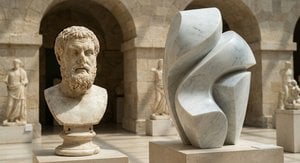
Mistruzzi’s sculptural output is characterized by a remarkable sensitivity to material and technique. Primarily working with marble, he achieved breathtaking realism, capturing the nuances of human anatomy and expression with meticulous detail. Perhaps his most iconic piece is undoubtedly his self-portrait—a haunting depiction rendered in alabaster that transcends mere likeness, embodying an introspective gaze and conveying a palpable sense of melancholy. This sculpture exemplifies Mistruzzi’s ability to transform stone into conduits for psychological depth.
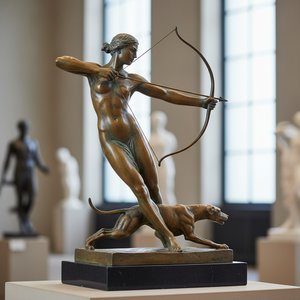
Beyond marble, Mistruzzi ventured into bronze casting, specializing in small sculptures that often explored themes of human dignity and contemplation. Unlike the grand monuments of his time, these pieces prioritized subtlety and emotional resonance—a deliberate departure from prevailing artistic trends. His approach mirrored the burgeoning interest in expressive realism championed by Signorini and other contemporaries who sought to move beyond academic conventions.
Furthermore, Mistruzzi’s contribution extended beyond sculpture into the realm of medals. He skillfully executed bronze medallions bearing portraits of notable figures, demonstrating mastery over both sculptural form and metallurgical processes. This practice aligns with a tradition dating back to the Renaissance—a deliberate harkening back to classical ideals while simultaneously innovating in artistic expression. The earliest portrait medals were conceived as miniature sculptures, rather than mere coins, reflecting a desire for artistic refinement and commemorating individuals of significance.
Mistruzzi’s legacy resides not only in his individual artworks but also in his role as a pioneer of exonumia—art objects produced outside the conventional coinage system. These bronze medallions represent a unique form of artistic patronage and serve as tangible reminders of historical figures and events. Mistruzzi's work continues to be studied and admired by scholars and collectors alike, cementing his place as a pivotal voice in Italian sculpture and a symbol of Ravenna’s artistic legacy.