x
EelvaadeEelvaade AR-eelvaadeAR-eelvaade Osta print Osta printOsta käsitsi maalitud maal Osta käsitsi maalitud maal SaadaSaada
Teave teose kohtaTeave teose kohta Lisa lemmikutesse Lisa lemmikutesse Laadi allaLaadi alla Sarnased teosedSarnased teosed RöntgenuuringRöntgenuuring SlaidietendusSlaidietendus

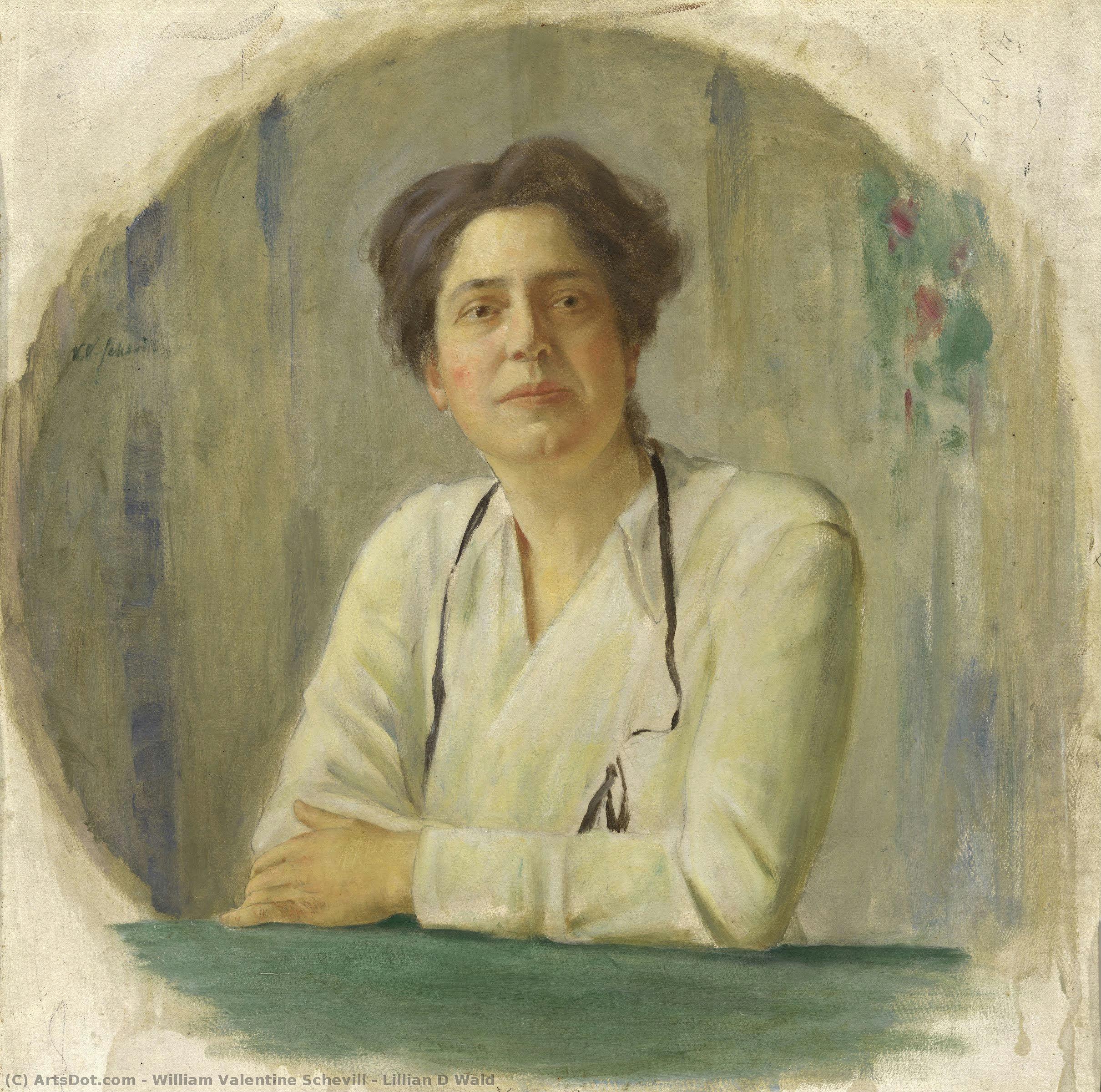
Lillian D Wald

A captivating portrait of Lillian D. Wald by William Valentine Schevill, capturing the compassionate spirit of a pioneering nurse in 1919. A beautiful blend of Impressionism and realism.

Explore the art of William Valentine Schevill (1864-1951), an American artist influenced by German & US avant-garde styles. Known for portraits, landscapes, and historical subjects like George Washington. Discover his legacy at WahooArt.

Ostke kõrglahutusel ja täiustatud digitaalne pilt, mis on oluliselt parem kui veebilehel näidatud eelvaade.

Iga fail on meie spetsialistide poolt hoolikalt ette valmistatud, kasutades kaasaegseid tööriistu ja professionaalset käsitsi retušeerimist. Tagame, et igal pildil on erakordne selgus, täpne värvitäpsus ja peen detail.

Lõplik fail saadetakse e-posti teel 72 tunni jooksul, olles optimeeritud koheseks kasutamiseks professionaalsetes, toimetuslikes ja trüki keskkondades. See on sama kvaliteet, mida usaldavad tipptasemel disainistuudiod, kirjastused ja galeriid.

Digitaalne kunstiteos

Laadi alla kõrge resolutsiooniga fail isiklikuks vaatamiseks, trükkimiseks ja loomingulisteks projektideks. (Osta print Osta printOsta käsitsi maalitud maal Osta käsitsi maalitud maal)

Lõppsumma

$ 24,90

Sisse kuulub iga digitaalse pildi tellimusega

Eksperdi digitaalne kohaletoimetamine, garanteeritud

Valides WahooArt.com, ei saa sa lihtsalt pilti – saad professionaalselt parandatud digitaalse teose, mida on valmistatud täpsusega ja mis on toetatud rahuldamatusgarantiiga. Siin on kõik, mis sinu tellimusega automaatselt kaasneb:

shipping_icon
Kiire digitaalne saatmine

Teie kõrge resolutsiooniga digitaalne pildifail saadetakse teile e-posti 72 tunni jooksul pärast tellimist – kohe kasutamiseks valmis.

canvas_icon
Tehisintellektiga täiustatud digitaalne fail

Teie teos on professionaalselt optimeeritud arenenud tehisintellekti tööriistade ja käsitsi redigeerimise abil, tagades maksimaalse detailitaseme, selguse ja värvitäpsuse.

insurance_icon
Tasuta eluaegne uuesti saatmine

Kas kustutasid faili kogukalu unustamisel või kustutamisel? Puudub mure – saad selle uuesti igal ajal ilma lisatasuta.

tax_icon
Puuduvad importimaksed – alati

Nautige oma teoseid koheselt ilma tolli-, maksude või tarnimaskuludeta – digiletchargused on alati maksuvabadud.

color_icon
Värvitäpsuse garantii

Me tagame, et teie digitaalne pilt kajastaks originaali värve professionaalsete tööriistade ja värvihalduse abil võimalikult täpselt.

return_icon
60-päevane rahulolu garantii

Kui te ei ole oma digipildiga rahul, parandame seda või tagastame 100% summast 60 päeva jooksul – küsimusi ei esita.

guarantee_icon
100% raha tagastamise garantii

Ei ole rahul? Saate täielise tagastaja 60 päeva jooksul pärast digitaalse faili kättesaamist – küsimata.

discount_icon
Suurema tellimuse soodustused

Osta 3 pilti, säästa 10% - Osta 5, säästa 15% - Osta 10+, säästa 20%. Sobib suurepäraselt loomingulisteks projektideks, galeriideks ja agentuurideks.

Teave teose kohta

  • Dimensions: 72 x 72 cm
  • Movement: Impressionism
  • Artist: William Schevill
  • Medium: Oil on canvas
  • Subject or theme: Healthcare worker
  • Title: Lillian D Wald
  • Year: 1919

Kunstiviktoriin

Iga küsimuse kohta on ainult üks õige vastus.

Küsimus 1:
Who is depicted in the portrait ‘Lillian D Wald’?
Küsimus 2:
What artistic movement significantly influenced William Valentine Schevill’s style?
Küsimus 3:
The painting features a green background. What is the likely purpose of this color choice?
Küsimus 4:
In what year was the painting ‘Lillian D Wald’ created?
Küsimus 5:
William Valentine Schevill studied at which art academy before moving to the United States?

A Portrait of Compassion: Lillian D. Wald by William Valentine Schevill

William Valentine Schevill’s 1919 portrait of Lillian D. Wald is more than just a likeness; it's a poignant embodiment of social reform and the burgeoning spirit of American progressivism. The painting, rendered in a style that deftly balances German Impressionistic influence with the emerging realism of the early 20th century, captures not merely Wald’s physical appearance but also her unwavering dedication to improving public health and advocating for the underserved.

Wald herself was a transformative figure. Born into privilege within a prominent German-Jewish family in Cincinnati, Ohio, she defied societal expectations to become one of America's first registered nurses and a pioneer in public health nursing. Her work with immigrant communities in New York City during the late 19th and early 20th centuries exposed her to appalling conditions – rampant disease, overcrowding, and systemic neglect – fueling her commitment to social justice. Schevill’s portrait serves as a visual testament to this dedication; Wald's direct gaze conveys both strength and empathy, suggesting an individual deeply invested in the well-being of others.

The Language of Light and Shadow

Schevill’s technique is characterized by a masterful manipulation of light and shadow, hallmarks of his training under Frank Duveneck and further refined during his time studying at the Academy of Fine Arts Munich. The painting utilizes a muted palette—primarily greens, browns, and creams—to create a sense of quiet dignity and understated power. Notice how Schevill employs broken brushstrokes to capture the texture of Wald’s dress and the subtle nuances of her face. The diffused light, reminiscent of Impressionism, softens the features while simultaneously highlighting the intelligence and resolve in her eyes. The background is deliberately simple, allowing Wald's presence to dominate the composition and drawing the viewer’s attention directly to her compassionate expression.

Symbolic Elements and Historical Context

Beyond its technical brilliance, the painting is rich with symbolic elements reflecting the era. The stethoscope, prominently displayed around Wald’s neck, immediately identifies her profession and underscores her role as a healer. The potted plants flanking the figure – one on either side – can be interpreted as symbols of growth, care, and the nurturing environment she sought to create for those in need. The clock visible in the upper-middle section subtly references the relentless passage of time and the urgency of her work. Painted in 1919, shortly after World War I, the portrait reflects a nation grappling with profound social changes and striving towards a more equitable future – a future Wald was actively shaping.

A Legacy of Service and Artistic Merit

Lillian D. Wald’s legacy extends far beyond her pioneering nursing work; Schevill's painting immortalizes her spirit, offering a powerful visual reminder of the importance of social responsibility and compassionate action. The artwork is not merely a portrait but a historical document, capturing a pivotal moment in American history and celebrating the life of a woman who dedicated herself to serving humanity. Today, reproductions of this compelling image continue to resonate with audiences, reminding us of the enduring value of empathy, service, and artistic expression.

  • Artist: William Valentine Schevill
  • Year: 1919
  • Size: 72 x 72 cm
  • Medium: Oil on Canvas

Further Research: For more information about Lillian D. Wald and William Valentine Schevill, please refer to the links below:


Kunstniku biograafia

The Soul of the Canvas: The Life and Legacy of William Valentine Schevill

In the grand tapestry of American art history, few threads weave together the disparate textures of European tradition and American spirit as gracefully as William Valentine Schevill. Born in the vibrant cultural cradle of Cincinnati, Ohio, on March 2nd, 1864, Schevill emerged from a lineage of artistic excellence that would eventually bridge the gap between the expressive dynamism of German Impressionism and the grounded, observant nature of American Realism. His journey was not merely one of personal growth, but a profound exploration of light, shadow, and the human condition, shaped by the prestigious academies of two continents.

The foundations of his mastery were laid at the Cincinnati Art Academy, where he studied under the legendary Frank Duveneck. It was here that Schevill first learned to manipulate the tonal qualities of paint to capture the fleeting essence of a moment. Seeking to expand his horizons, he ventured across the Atlantic to the Academy of Fine Arts Munich. Immersed in the rigorous yet expressive atmosphere of German training, he studied under luminaries such as Ludwig Löfftz, Max Lindenschmidt, and Nikolaos Gyzis. This period was transformative; it infused his brushwork with a certain European bravura, allowing him to blend meticulous detail with an atmospheric sensitivity that would become his hallmark.

A Mastery of Form and Emotion

Schevill’s oeuvre serves as a window into the shifting social and psychological landscapes of the late nineteenth and early twentieth centuries. He was a virtuoso of various genres, yet it is in his portraiture where his ability to capture the human psyche truly shines. His work does not merely record a likeness; it seeks to unveil the character beneath the skin. One of his most celebrated achievements, the portrait of Lillian D. Wald, currently held in the National Portrait Gallery in Washington D.C., stands as a testament to this skill. In this piece, he captures the compassionate spirit of the pioneering nurse through subtle tonal variations and a nuanced facial expression that resonates with profound empathy.

Beyond the intimate confines of portraiture, Schevill’s hand was equally adept at capturing the grandeur of the natural world and the weight of history. His landscapes are characterized by an expert command of atmospheric perspective, creating spaces that feel both vast and intimately reachable. Whether depicting the quiet dignity of a domestic scene, such as The Fondey Family, or evoking the monumental presence of historical figures like George Washington, his work maintains a consistent thread of truthfulness. His art was never about mere decoration; it was an act of profound observation.

An Enduring Artistic Presence

Throughout his long and prolific career, which spanned nearly nine decades, Schevill remained a vital participant in the international art dialogue. His presence at the Louisiana Purchase Exposition of 1904 provided him with a global stage, allowing his unique synthesis of styles to reach a diverse audience. As he moved through the artistic hubs of New York City, Boston, and eventually Los Angeles, his membership in prestigious organizations like the Salmagundi Club solidified his standing among the elite of the American art world.

The historical significance of William Valentine Schevill lies in his role as a stylistic conduit. He carried the lessons of the Munich school into the burgeoning American scene, enriching the local tradition with a sophisticated understanding of light and form. Today, his legacy is preserved not only in museum collections but in the very way we perceive the transition from the romanticism of the past to the realism of the modern era. To look upon a Schevill painting is to witness a master at work, forever capturing the ephemeral beauty of life through the enduring medium of oil and canvas.

William Valentine Schevill

William Valentine Schevill

1864 - 1951 , United States of America

Lühikesed faktid

  • Artistic Movement Or Style: German & US avant-garde
  • Artists Or Movements Influenced By This Artist: ['Louisiana Purchase Exposition']
  • Artists Who Influenced This Artist:
    • Frank Duveneck
    • Ludwig Löfftz
    • Max Lindenschmitt
    • Nikolaos Gyzis
  • Date Of Birth: March 2, 1864
  • Full Name: William Valentine Schevill
  • Nationality: American
  • Notable Artworks:
    • Lillian D Wald
    • The Fondey Family
    • George Washington
  • Place Of Birth: Cincinnati, United States of America