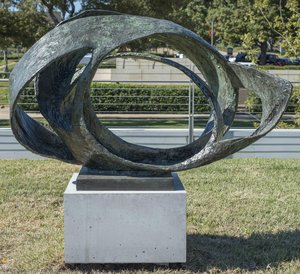
Sellel lehel kuvatav kunstiteos on kaitstud autoriõigusega, mis tähendab, et meil ei ole seaduslikku õigust luua või müüa identset reproduktsiooni. Seda kaitset rakendatakse rahvusvaheliste kokkulepete alusel, nagu näiteks Berne konventsioon ning riiklike seadustega, sealhulgas nendega, mida on sätestatud USA autoriõiguse seadus – 17. peatükk.
See meetod järgib täielikult autoriõiguse reegleid, kuna see ei põhine kaitstud kunstiteose kopeerimisel või dupliteerimisel. Selle asemel on tegu loova reinterpreetatsiooniga – uue maaldisega, mis on algteosest inspireeritud, kuid ei ole sellest identiline.
Muuseumikvaliteediga giclée- või kangasprint kiire tootmisega ja paindlikud viimistlusvõimalused. ( Osta käsitsi maalatud teos Lülita digitaalse pildi juurde)
Vali meie eelmääratud suurused, mis vastavad teose algupärastele proportsioonidele.

Sisestage vajalik laius ja kõrgus, et see sobiks teie raamile või seinale. Trükki saab ainult lõigata, seda ei saa kunagi pildist suuremaks teha, seega ka erineva mustega suurus kaotab osa pildist. Enne trükkimist saadame teile kinnitamiseks digitaalse näidisprojektsiooni. Sellel lehel näidatud pilt ei kujuta reaalset lõiget — seda näitab ainult näidisprojektsioon.
Ülemaailmne tarne () 2 nädala jooksul, tavalise 4/5 nädala asemel. (10 november)
Figure lying on its side (Version V)
Reproduktsiooni suurus
William Kenneth Armitage’s “Figure Lying on Its Side (Version V)” isn’t merely a sculpture; it’s a distilled essence of human experience, rendered in the cool, enduring solidity of bronze. Completed in 1957, this piece stands as a pivotal work within Armitage's oeuvre, embodying his signature style – a deliberate simplification of the human form coupled with an underlying current of unease and existential questioning. The sculpture immediately commands attention not through overt drama, but through its quiet intensity; it’s a study in restraint, inviting prolonged contemplation rather than immediate judgment.
Armitage, emerging from the austerity of post-war Britain, was deeply influenced by the anxieties of his time. His work reflects this, eschewing traditional heroic representations and instead focusing on the vulnerability inherent within the human condition. The figure itself is remarkably ambiguous – neither definitively male nor female, young nor old – existing in a state of suspended animation, caught between repose and imminent movement. This deliberate lack of specificity allows viewers to project their own emotions and experiences onto the sculpture, fostering a deeply personal connection.
Armitage's style is often described as “Geometry of Fear,” a term coined by critics to capture the way he employed sharp angles and fragmented forms to convey a sense of disorientation and psychological tension. “Figure Lying on Its Side” exemplifies this perfectly. The figure’s limbs are elongated, almost skeletal, creating a feeling of precariousness and vulnerability. The subtle curve of the torso is countered by the rigid lines of the chair-like structure attached to its side – an element that simultaneously grounds the sculpture and reinforces its sense of confinement. The bronze itself, chosen for its durability and ability to capture minute details, contributes significantly to the work’s impact; it possesses a tactile quality that invites touch while simultaneously conveying a sense of permanence.
Interestingly, Armitage drew inspiration from ancient art forms, particularly Cycladic sculpture – the enigmatic, abstract figures found on the Greek islands. These primitive forms, devoid of narrative and imbued with an almost ritualistic quality, resonate within Armitage’s work, suggesting a connection to primal human emotions and beliefs. The deliberate simplification of the figure echoes this ancient aesthetic, stripping away extraneous detail to reveal the core essence of form.
The chair-like appendage attached to the figure’s side is particularly intriguing. It can be interpreted as a symbol of societal constraints, representing the pressures and expectations that shape our lives. Alternatively, it might suggest a yearning for connection or support – a desire to anchor oneself in a world often characterized by isolation. The figure's prone position further reinforces this sense of vulnerability, suggesting a state of surrender or perhaps even resignation.
Furthermore, the sculpture’s monochrome palette—a stark contrast against the warm tones of bronze—heightens its emotional impact. The absence of color forces viewers to focus on the form itself, intensifying the feeling of unease and prompting deeper reflection. The work is not about depicting a specific narrative; instead, it invites us to confront our own anxieties and uncertainties.
“Figure Lying on Its Side (Version V)” remains a powerful testament to Armitage’s artistic vision – a poignant exploration of the human condition rendered in bronze. It's a work that rewards repeated viewing, revealing new layers of meaning with each encounter. Reproductions of this sculpture offer an accessible way to experience its profound emotional resonance, bringing its quiet intensity into homes and galleries alike. Its enduring appeal lies not in grand gestures or dramatic displays, but in its ability to capture the subtle complexities of human existence – a reminder that even in moments of vulnerability, there is beauty and significance to be found.
Teose „Figure lying on its side (Version V)“, autor William Kenneth Armitage käsitsi maalatud koopiaid müüakse saidil see veebileht: käsitsi maalatud õlireproduktsioon linaelapale, neid saab tellida selle lehelt Käsitsi maalatud reproduktsioon.
Teos "Figure lying on its side (Version V)" loodi aastal 1957, kuuludes Geometry of Fear suunasse.
Teos "Figure lying on its side (Version V)" on kataloogis Geometry of Fear suunaga teoste seas registreeritud kui Recognized.


1916 - 2002 , United Kingdom

Discover the enduring allure of bronze sculptures at WahooArt.com. From classical lost-wax casting to modern metal masterpieces, explore museum-quality artworks designed to elevate luxury interiors. Expert curation, authenticity guaranteed, and worldwide shipping for discerning collectors.

Discover the enduring allure of bronze sculpture. From the intricate lost-wax process to Neoclassical masterpieces, our expert guide offers connoisseurs deep insights into evaluating patina, historical significance, and integrating metal fine art into sophisticated collections.

Discover the enduring elegance of bronze sculpture. From ancient Roman strength to Art Deco sophistication, explore our expert guide on collecting, casting techniques, and integrating timeless metal masterpieces into your fine art collection.
 Saada
Saada Jaga
Jaga
 Teave teose kohta
 Juhend

 Laadi alla
 Sarnased teosed
 Slaidietendus
 KÜSIMUSED JA VASTUSID
 Statistika


 Loe lähemalt






































 Klaasivalik on saadaval ainult kuni 110 cm suuruses teostes