Londoni elu tintides ja värvides: William Hogarthi maailm
William Hogarth, kes sündis 1697. aastal 18. sajandi Londoni puldavas südames, oli olnud palju enamat kui lihtsalt kunstnik; ta oli visuaalne ajaloolane, inimliku looduse terav vaatleja ja oma ajastu ühiskondlike voogude satiiriline kommentator. Tema elu lugu on lahutusmatult seotud Inglismaa lõimuga suurepärase transformatsiooni perioodil – selle kasvavate ambitsioonide, peitliste ärevuste ja igasuguse hiiliva ebaauskusega, mis leidsid kõigi nende jõukase väljenduse tema hämmastavalt detailsetes ja sageli teravates teostes. Kui ta oli vaevaastunud latini kooli õpetaja poeg, siis Hogarthi varased kogemused sisaldasid temas nii armastus õppimise vastu kui ka teravat teadlikkust sotsiaalsetest ebavõrdsustest – see alus tõususki tema kunstilise visiooni kujundamiseks. Algul oli ta õppinud graveerija juures, kuid demonstreeris kiiresti talenti, mis ulatus kaugele puhtast tehnilisest oskusest; tal oli loomulik võime märkida inimkäitumise nüansse ja tõlkida need kaasahaaravaks visuaalseks narratiiviks. Kuid ta ei suutnud piirata end traditsimoonse graveerimise raamides, otsides oma kasvavale loovusele ekspressiivsemat väljundit. See juhtis teda nii St Martin’s Lane Academiale kui ka Sir James Thornhilli õppetööle, kus ta täisas oma oskusi maalias ja kompositsioonis, imeldes mõjutusi, mis hiljem tema unikaalset stiili määrasid.
Kaasaegsete moraalsete teemade sünnik
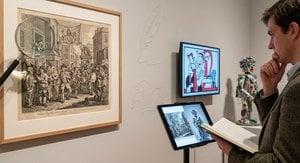
Hogarthi tõeline innovatsioon ei olnud pelgalt selles, *mida* ta maalis, vaid *kuidas*. Ta tõi vastu maailma, mida nimetas „kaasaegseteks moraalseteks teemade sarjadeks“ – piltide kordade, mis olid loodud jutustama lugu, sageli tugeva satiilse teravusega. Need ei olnud üksildased portreid või maastikud; need olid visuaalsed romaanid, mis avanesid vaataja silme ees, pakkudes teravat kommentaari ajastikus ühiskonnale. 1742. aastal loodud A Harlot's Progress (Lootuse kadutus) on ehk tema kuulsaim näide. See kuuest maalist koosnevas sarjas jälgib hoolikalt Mary tragöödia – noore naise, kes saabus Londoni täis lootust, kuid lõpuks allujub linnaelu kiusatustele ja ohtudele. Iga stseen on kujundatud ääretult detailsetult, täidetud sümbolitega, mis paljastajavad teda ümbritsevat moraalset lagunemist. Sarnaselt sellele jutustab 1733. aastal alustatud A Rake's Progress (Lõbusmehe kadutus) Tom Rakewelli hoolimatut langust – mehe, kes pillerdab oma pärandi kumalatust mängu, debaušis ja lõpuks madnessuses. Need ei olnud pelgalt hoiatused; need olid kangevaatluslikud portreetsid ühiskonnast, kes võitles klasside, moraalist ja sotsiaalse liikuvuse probleemidega. Hogarthi genius peitus tema võimes tõsta igapäevased stseenid – Londoni puldavad tänavad, rikkate luksuslikud siseõued, vaestade rängad elud – kunstiteosteks, mis kõlastasid oma publikut sügavalt. Ta ei kartnud kujundada elu karmid reaalsused, esitades need naudingi ja patoosiga segatud viisil, mis sundis vaatajatele seisata silm saamatu tõdigusega nii endaga kui ka oma ühiskonnaga.
Tehnika ja mõjud: stiilide sünd
Hogarthi kunstiline stiil oli mitmekoloogiliste mõjudude unikaalne amalgami. Ta austas suuresti hollandi žanripittide, nagu Pieter de Hoochi, realismit ja narratiivset detailset kuju, mis on nähtav tema hoolikas siseõude ja igapäevase elu kujundamises. Ka Prantsimaas loodud satiilised joonised mängisid rolli tema sotsiaalse kommentaari lähenemise vormimisel. Kuid Hogarth ei imiteerinud neid allikaid lihtsalt; ta sünteetiseeris need midagi täiesti uut ja selgelt oma kätte. Tema tehnikat iseloomustas meistraline jooneline ja varjundite kasutamine, mis on eriti ilmne tema graveerides. Ta kasutas eripärast ristivarjunduste tehnikat (cross-hatching), mis lõi sügavust ja tekstuuri, tuues oma stseenid elavaks üllastava selgusega. Tal oli ka erakordne silm kompositsioonile, korraldades kadrame sees figure ja objekte nii, et luua dünaamilisi ja kaasahaaravaid lugusid. Lisaks visuaalsele kunstile oli Hogarthit mõjutanud kirjandus, eriti Jonathan Swifti ja Henry Fieldingi teosed, kelle satiiriline vaim juhendas tema enda sotsiaalseid tähelepanuid. Ta uskois, et kunst ei tohiks olla pelgalt ilus, vaid peab ka teenima moraalset eesmärgi, väljakutses vaatajatele seisata silm oma ja ühiskonna ebamugavatele tõetustele. Ta püüdis hoida peeglit looduse ees, peegeldades nii selle ilu kui ka kolelust kangevaatlusliku aususega.
Pärand ja igav mõju
William Hogarthi mõju ulatub kaugele 18. sajandi kunsti piiridest. Tema töö sai tohutut populaarsust tänu tema maalistide põhjal loodud jooniste massprodutsioonile, muutes tema satiilised kommentaarid kunagi rohkem kättesaadavaks kui hiç varem. Teda peetakse laialt poliitilise karikatuuride ja trummikomiksite eeltulevaks, laidades aluse visuaalse lugujutamisele populaarkultuuris. Kunstnikud nagu James Gillray ja George Cruikshank olid otseselt tema stiilist mõjutatud, kandudes edasi tema sotsiaalse satiiri traditsiooni. Isegi kuulus esseist Charles Lamb tunnistas Hogarthi kujundite narratiivset jõudu, märkides kuulsa sõnadega, et need olid „nagu raamatud, mida on lugeda, rather than mereley looked at (lihtsalt vaadata“.
- Hogarth lõi selgelt briti kunstiline identiteet.
- Tema töö pakub vääramatut ülevaadet 18. sajandi Inglismaa ühiskonnale.
- Ta mõjutas kunstnike ja satiirikute põlvkonnasid.
William Hogarth surmas 1764. aastal, jättes jälg, mis kõlastab ka täna. Ta on jäänud Briti kunsti ajaloos võtmefigureks, mida austatakse tema innovatiivse loo jutustamise, kangevaatlusliku sotsiaalse kommentaari ja püsiva võime eest tabada inimelu keerukusi. Tema maalid ja graveerid ei ole pelgalt ajaloolised artefaktid; need on elavad aknad möödunud ajastusse, pakkudes ajatut teistlikkust inimkonna lolluse ja vigu kohta. Ta tõimutendas, et kunst võib olla nii meelelahutuslik kui ka enlightne (valgustav), kutsudes vaatajaid mõtlema kriitiliselt oma ümbritseva maailma ja oma selle sees oleva koha üle.



 Vaata sisu
 Telli käsitsi maalitud reproduktsioon
 Jaga teost
 Jaga
Jaga
 Detailid
 Õppekate juhend

 Laadi alla
 Sarnased teosed
 Röntgenuuring
 Slaidietendus
 Statistika

 Loe lähemalt






































 Klaasivalik on saadaval ainult kuni 110 cm suuruses teostes