x
EelvaadeEelvaade AR-eelvaadeAR-eelvaade Osta print Osta printOsta käsitsi maalitud maal Osta käsitsi maalitud maal SaadaSaada
Teave teose kohtaTeave teose kohta Lisa lemmikutesse Lisa lemmikutesse Laadi allaLaadi alla Sarnased teosedSarnased teosed RöntgenuuringRöntgenuuring SlaidietendusSlaidietendus

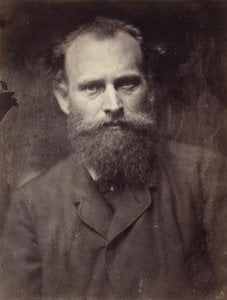
John J. Glover

Discover 'John J. Glover' by William H. Mumler – a captivating spirit photograph from 1875, showcasing Mary Todd Lincoln with the ghost of Abraham Lincoln. Explore its history & artistry!

Explore the fascinating & controversial spirit photography of William H. Mumler (1832-1884). Famous for images like Lincoln's ghost, he blended art, grief, and technology. Discover his 'Mumler Process' & legacy in parapsychology on WahooArt.

Ostke kõrglahutusel ja täiustatud digitaalne pilt, mis on oluliselt parem kui veebilehel näidatud eelvaade.

Iga fail on meie spetsialistide poolt hoolikalt ette valmistatud, kasutades kaasaegseid tööriistu ja professionaalset käsitsi retušeerimist. Tagame, et igal pildil on erakordne selgus, täpne värvitäpsus ja peen detail.

Lõplik fail saadetakse e-posti teel 72 tunni jooksul, olles optimeeritud koheseks kasutamiseks professionaalsetes, toimetuslikes ja trüki keskkondades. See on sama kvaliteet, mida usaldavad tipptasemel disainistuudiod, kirjastused ja galeriid.

Digitaalne kunstiteos

Laadi alla kõrge resolutsiooniga fail isiklikuks vaatamiseks, trükkimiseks ja loomingulisteks projektideks. (Osta print Osta printOsta käsitsi maalitud maal Osta käsitsi maalitud maal)

Lõppsumma

$ 24,90

Sisse kuulub iga digitaalse pildi tellimusega

Eksperdi digitaalne kohaletoimetamine, garanteeritud

Valides WahooArt.com, ei saa sa lihtsalt pilti – saad professionaalselt parandatud digitaalse teose, mida on valmistatud täpsusega ja mis on toetatud rahuldamatusgarantiiga. Siin on kõik, mis sinu tellimusega automaatselt kaasneb:

shipping_icon
Kiire digitaalne saatmine

Teie kõrge resolutsiooniga digitaalne pildifail saadetakse teile e-posti 72 tunni jooksul pärast tellimist – kohe kasutamiseks valmis.

canvas_icon
Tehisintellektiga täiustatud digitaalne fail

Teie teos on professionaalselt optimeeritud arenenud tehisintellekti tööriistade ja käsitsi redigeerimise abil, tagades maksimaalse detailitaseme, selguse ja värvitäpsuse.

insurance_icon
Tasuta eluaegne uuesti saatmine

Kas kustutasid faili kogukalu unustamisel või kustutamisel? Puudub mure – saad selle uuesti igal ajal ilma lisatasuta.

tax_icon
Puuduvad importimaksed – alati

Nautige oma teoseid koheselt ilma tolli-, maksude või tarnimaskuludeta – digiletchargused on alati maksuvabadud.

color_icon
Värvitäpsuse garantii

Me tagame, et teie digitaalne pilt kajastaks originaali värve professionaalsete tööriistade ja värvihalduse abil võimalikult täpselt.

return_icon
60-päevane rahulolu garantii

Kui te ei ole oma digipildiga rahul, parandame seda või tagastame 100% summast 60 päeva jooksul – küsimusi ei esita.

guarantee_icon
100% raha tagastamise garantii

Ei ole rahul? Saate täielise tagastaja 60 päeva jooksul pärast digitaalse faili kättesaamist – küsimata.

discount_icon
Suurema tellimuse soodustused

Osta 3 pilti, säästa 10% - Osta 5, säästa 15% - Osta 10+, säästa 20%. Sobib suurepäraselt loomingulisteks projektideks, galeriideks ja agentuurideks.

Teave teose kohta

  • Movement: Spirit Photography
  • Notable elements: Ghostly apparition
  • Title: John J. Glover
  • Artist: William H. Mumler
  • Medium: Albumen silver print
  • Location: Getty Museum, Los Angeles
  • Year: 1875

Kunstiviktoriin

Iga küsimuse kohta on ainult üks õige vastus.

Küsimus 1:
What is the primary subject depicted in John J. Glover’s ‘John J. Glover’?
Küsimus 2:
In what year was ‘John J. Glover’ created?
Küsimus 3:
Which photographic technique is most prominently used in ‘John J. Glover’ to create the illusion of a spirit?
Küsimus 4:
Who is credited with pioneering the use of double exposures to create spirit photographs like ‘John J. Glover’?
Küsimus 5:
What was the prevailing cultural context that fueled the popularity of spirit photography in the mid-19th century?

The Enigmatic Figure: John J. Glover and the Spirit Photograph

William H. Mumler’s “John J. Glover,” a remarkably intimate black-and-white photograph from 1875, transcends the simple portraiture of its era. It's not merely a depiction of a man seated in a chair; it’s a carefully constructed tableau brimming with Victorian sensibilities and an unsettling suggestion of the supernatural. The image captures a gentleman, formally dressed in a dark suit and tie, his hands clasped together in a gesture of quiet contemplation. His face, rendered with meticulous detail by Mumler's photographic technique, conveys a sense of seriousness – perhaps even melancholy – that draws the viewer into his gaze. Yet, it’s not just the subject’s appearance that commands attention; hovering subtly above him, partially obscured and imbued with an ethereal glow, is the faint apparition of another woman. This ghostly presence, often interpreted as Glover's deceased cousin, immediately elevates the photograph beyond a conventional likeness, plunging it into the realm of spirit photography – a phenomenon that captivated late 19th-century America.

The Rise of Spirit Photography and Victorian Belief

The creation of “John J. Glover” coincided with a period of profound social and spiritual upheaval in the United States. Following the Civil War, many Americans grappled with immense grief and uncertainty about the fate of loved ones lost. Simultaneously, Spiritualism – a movement emphasizing communication with spirits through mediums – was experiencing a surge in popularity. Photography, still a relatively new technology, offered a tantalizing possibility: to capture evidence of the afterlife. William Mumler expertly exploited this confluence of anxieties and beliefs. He wasn’t simply a photographer; he was a master manipulator, employing techniques like double exposures and carefully staged lighting to create images that appeared to depict ghostly encounters. The photograph's success hinged on its ability to tap into the deeply held desire for connection with those who had passed beyond the veil – a desire fueled by both personal loss and the burgeoning fascination with the paranormal.

Technical Mastery and Mumler’s Process

Despite the sensational claims surrounding spirit photography, William H. Mumler was a highly skilled technical innovator. He didn't rely on magic or trickery alone; he meticulously refined his photographic process to achieve startling results. His “Mumler Process,” involving carefully prepared plates and precise exposure times, allowed him to create images with remarkable clarity and detail – even when incorporating ghostly figures. The subtle gradations of tone, the sharp focus on Glover’s face, and the delicate rendering of the spectral form all demonstrate a sophisticated understanding of photographic principles. The photograph's small size (9 x 5 cm) further contributes to its intimacy and immediacy, inviting viewers to scrutinize every detail and contemplate the mystery at its heart.

Symbolism and Emotional Resonance

“John J. Glover” is rich in symbolic meaning. The seated posture of the subject suggests introspection and perhaps a sense of mourning. His clasped hands could represent prayer, contemplation, or simply a desire for comfort. The ghostly presence above him embodies not just loss but also the enduring power of memory and love. It’s a poignant reminder that even after death, connections remain – albeit in an ethereal form. The photograph's emotional impact is profound; it evokes feelings of melancholy, curiosity, and a lingering sense of wonder about the mysteries beyond our mortal experience. It stands as a testament to Victorian anxieties surrounding mortality, the allure of the supernatural, and the enduring human need for connection.


Kunstniku biograafia

early life and career

william h. mumler, an american spirit photographer, was born in 1832 in the united states. before venturing into photography, mumler worked as a jewellery engraver in boston. his interest in photography led him to develop a self-portrait that unexpectedly featured the apparition of his deceased cousin, marking the beginning of his spirit photography career.

rise to fame and notable works

mumler's most famous images include: these works, showcased on WahooArt.com, demonstrate mumler's innovative approach to capturing the paranormal.

controversy and trial

mumler was taken to court in 1869, accused of fraud and larceny. noted showman p. t. barnum testified against him. however, mumler was acquitted due to the prosecution's inability to prove his guilt beyond a doubt.

legacy and contributions

despite the controversy, mumler continued his photography career, discovering the "mumler process" for producing photo-electrotype plates. his work, featured in various museums, including the j. paul getty museum (los angeles, united states), remains a subject of interest in the realm of parapsychology. key takeaways: * mumler's spirit photography career was marked by both innovation and controversy. * his most famous images continue to fascinate audiences on WahooArt.com. * the "mumler process" remains a notable contribution to the field of photography. learn more about william h. mumler's life and work on wikipedia.
William H. Mumler

William H. Mumler

1832 - 1884 , United States of America

Lühikesed faktid

  • Artistic Movement Or Style: Spirit Photography
  • Date Of Birth: 1832
  • Date Of Death: 1884
  • Full Name: William H. Mumler
  • Nationality: American
  • Notable Artworks:
    • Photograph of Mary Todd Lincoln with the ghost of Abraham Lincoln
    • Portrait of Master Herrod
  • Place Of Birth: Boston, United States