


Sellel lehel kuvatav kunstiteos on kaitstud autoriõigusega, mis tähendab, et meil ei ole seaduslikku õigust luua või müüa identset reproduktsiooni. Seda kaitset rakendatakse rahvusvaheliste kokkulepete alusel, nagu näiteks Berne konventsioon ning riiklike seadustega, sealhulgas nendega, mida on sätestatud USA autoriõiguse seadus – 17. peatükk.
See meetod järgib täielikult autoriõiguse reegleid, kuna see ei põhine kaitstud kunstiteose kopeerimisel või dupliteerimisel. Selle asemel on tegu loova reinterpreetatsiooniga – uue maaldisega, mis on algteosest inspireeritud, kuid ei ole sellest identiline.
Muuseumikvaliteediga giclée- või kangasprint kiire tootmisega ja paindlikud viimistlusvõimalused. ( Osta käsitsi maalatud teos Lülita digitaalse pildi juurde)





























Vali meie eelmääratud suurused, mis vastavad teose algupärastele proportsioonidele.

Sisestage vajalik laius ja kõrgus, et see sobiks teie raamile või seinale. Trükki saab ainult lõigata, seda ei saa kunagi pildist suuremaks teha, seega ka erineva mustega suurus kaotab osa pildist. Enne trükkimist saadame teile kinnitamiseks digitaalse näidisprojektsiooni. Sellel lehel näidatud pilt ei kujuta reaalset lõiget — seda näitab ainult näidisprojektsioon.
Ülemaailmne tarne () 2 nädala jooksul, tavalise 4/5 nädala asemel. (8 november)
Placer Mining
Reproduktsiooni suurus
Step closer to observe the quiet intensity of this scene from 1854. In Placer Mining, we find ourselves on a California hillside during the height of the gold rush, witnessing a group of men engaged in the grueling, rhythmic labor of extraction. The composition centers on the Long Tom, a wooden sluice box stretching several feet through the dirt. You can almost hear the steady flow of water from the flume as it washes over the earth. Two men are positioned at the top, shoveling soil into the apparatus, while the heavier particles—the gold and sand—slowly drift downward to settle against the riffles. It is a scene defined by collective effort and the singular focus required to find fortune in the silt.
The figures are distributed with a careful balance across the landscape. Some men kneel in the dirt, while others stand or sit, their bodies angled toward the work at hand. There is a notable variety in their appearance; notice how each man wears a different style of hat, a small detail that suggests a diverse gathering of individuals brought together by a common purpose. A pickaxe rests near the middle-right, and shovels are placed strategically throughout the foreground and center, grounding the activity in the physical tools of the era.
The artist employs an academic foundation to render this historical moment with remarkable precision. The handling of the figures is skilled, creating a sense of movement that feels natural rather than staged. There is a meticulous attention to the actual mechanics of the mining process, from the way the water moves through the wooden box to the texture of the excavated hillside. This level of detail suggests an intimate familiarity with the methods used by prospectors during this period.
The palette remains grounded in the earth tones of the landscape—browns, greens, and muted hues that reflect the dusty reality of the mining site. Through these colors, the painting conveys the weight of the work and the grit of the environment. The atmosphere is one of determination. There is no grand drama here, only the steady, repetitive motion of men searching through the earth, capturing a specific chapter of California history through the lens of honest, physical toil.
Teose "Placer Mining" värvigamma on määratud Earthy paletiga, mille domineeriv värv on Walnut (#623b26).
Teosele „Placer Mining“, autor William Chadwick on soovitatav printida suuruses Medium. Suurust saab muuta, säilitades samal ajal proportsioonid.
Teose „Placer Mining“, autor William Chadwick Earthy värvigamma sobib suurepäraselt kokku selle Nostalgic emotsionaalse tooniga. Värv on üks viiseid, kuidas teos tunde edastab.


1879 - 1962
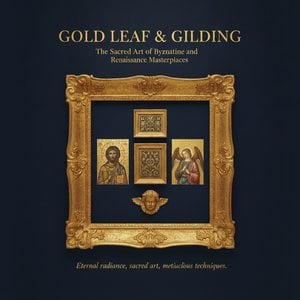
Explore the divine mastery of Byzantine gold leaf and gilding. Discover how ancient artisans used gold ground and mosaics to create celestial light, a timeless legacy of spiritual splendor and technical excellence in sacred art history.

Embark on a visual journey through the world's most radiant masterpieces. Discover how gold leaf, impasto textures, and gilded tones define luxury in fine art, from Byzantine icons to modern abstracts. Explore the eternal allure of gold in curated, museum-quality art collections.

Journey through the divine elegance of Duccio di Buoninsegna. Explore 25 iconic Sienese masterpieces, from the Maestà to the Rucellai Madonna. Find inspiration for museum-quality art reproductions and timeless decor. Discover all masterpieces on WahooArt.com.

Transform your interiors with the timeless radiance of gold leaf art. Discover museum-quality, hand-painted oil reproductions and bespoke gilded commissions. From Byzantine splendor to Klimt’s brilliance, explore exquisite pieces curated for the most discerning luxury collectors.

Immerse yourself in the golden splendor of Gustav Klimt. Explore 25 iconic Art Nouveau masterpieces, from The Kiss to his legendary portraits. Discover the stories behind these timeless works and find museum-quality art reproductions on WahooArt.com.
 Eelvaade
 Saada
Saada Jaga
Jaga
 Teave teose kohta
 Juhend

 Laadi alla
 Sarnased teosed
 Röntgenuuring
 Slaidietendus
 KÜSIMUSED JA VASTUSID
 Statistika


 Loe lähemalt









 Klaasivalik on saadaval ainult kuni 110 cm suuruses teostes


