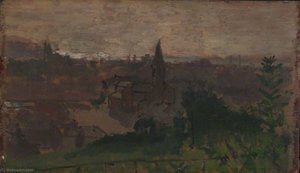
Elu Varjudes ja Valguses
Walter Richard Sickert, sündinud 1860. aastal Münchenis, oli tegelane, kes jäi pidevalt maailmade vahele – Saksamaa päritoluga, Britanniaga omaks võetud ning kunstnik, kes püsis alati maalimise kindlate traditsioonide ja modernismi kasvavate voolude vahel. Tema varajast elu iseloomustas liikumine; perekonna ümberkolimine Inglismaale 1868. aastal, mis oli tingitud Euroopa poliitilistest muutustest, andis talle sisse nihke tunde, mis võis kütkesta tema eluaegset huvi väljastpoolaste ja marginaliseeritud figuuride vastu. Kuigi ta pärines kunstnike suguvõsast – tema isa, Oswald Sickert, oli Taani maalikunstnik – tal olid nooruses ambitsioonid lavale astuda, lühikest aega mängides näitlejat kuulsa Sir Henry Irvingu kõrval. See varajane kokkupuude esitusega, illusiooni ja karakteri kunstiga, kujundas põhjalikult tema kunstilist visiooni, andes tema maalidele teatrikohasuse ja psühholoogilise sügavuse, mis eristasid teda kaasaegsetest. Kuid visuaalse väljenduse võlu osutus tugevamaks, viies ta 1881. aastal Slade Schooli ning hiljem James Abbott McNeill Whistleri pühendunud õpilaseks. See mentorlus oli oluline, andes Sickertile eelistuse *alla prima* toonide uuringutele, otse loodusest maalides, ja rafineeritud esteetilisele tundlikkusele, mis aluseks tema varajasele tööle. Whistleri mõju ei olnud mitte ainult tehniline; see kasvatas kunstilist iseseisvust ja valmisolekut väljakutseid konventsionaalsetele normidele.
Londoni Alumine Pool ja Kaasaegse Elu Võlu
Sickerti kunstikompass suundus kiiresti Londoni elu elava, sageli karmides reaalsustes. Ta jäi vaimustunud linna muusikasaalide atmosfäärist – ruumidest, mis kihasid energiast, vaatemängudest ja mitmekesise ühiskonna ristlõikest. Tema maalidel sellest perioodist, näiteks
Katie Lawrence at Gatti's, on tähelepanuväärne nende kompromissitu kujutus nendest keskkondadest ja nende elanikest. Need ei olnud lihtsalt kirjeldused; need olid kaasaegse linnaelu uuringud, tabades seinu sees kogetavaid hetkelisi momente ja tooreid emotsioone. Ta otsis maalida elu nii nagu see oli elatud, mitte idealiseeritud kujul – radikaalne lahknev Victorian kunstikonventsioonidest. See pühendumine realismile tekitas poleemikat. Kriitikud pidasid tema objekte “inetuiks” ja “vulgaarseks”, väljakutseid tundlikkusele, mis soosis idealiseeritud esitusi. Sickerti valmisolek kujutada tavalisi inimesi, eriti naisnäitlejaid ausalt ja romantiseerimata oli provokatiivne tegu, ettekujutades sotsiaalse realismi nihket 20. sajandi kunstis. Tema aeg Dieppes Prantsusmaal alates 1894. aastast osutus samuti otsustavaks, pakkudes uusi perspektiive valgusele, värvile ja kompositsioonile, samal ajal kui tema hilisemad visiidid Veneetsiasse täiendasid veelgi tema lähenemist interjööriruumide ja keeruliste figuurikogumite kujutamisele. Ta ei piirdunud lihtsalt sellega, mida ta nägi; ta tõlgendas seda erapooletu vaatenurga kaudu, andes isegi kõige tavalisematele stseenidele müsteeriumi ja psühholoogilise pinge tunde.
Muutuste Katalüsaator: Camden Towni Grupp ja Edasi
20. sajandi koidul sai Sickert keskseks figuuriks kasvavas Briti avangardi liikumises. Ta liitus 1888. aastal New English Art Clubiga, joondudes kunstnikega, kes omaksid Prantsuse impressionistlikke põhimõtteid. Hiljem mängis ta olulist rolli Camden Towni Grupi loomisel 1911. aastal – kollektiivis, mis pühendas end kaasaegse elu kujutamisele kompromissitu aususega ja stiililise uuendusega. Sickerti mõju sellele grupile oli sügav, julgustades neid murdma traditsioonilistest akadeemilistest piirangutest ja uurima uusi väljendusvorme. Ta propageeris unromantiseeritud linnamaastiku visiooni, keskendudes igapäevastele stseenidele ja tavalistele inimestele. Tema maalidel sel perioodil oli sageli häirivat teemat, näiteks tema
Camden Town Murder seeria, mis peegeldas kasvavat huvi kuritegevuse ja psühholoogilise pinge vastu. See valmisolek konfronteerida raskeid teemasid kinnistas tema maine provokatiivse ja väljakutseid kunstnikuna. Ta ei olnud lihtsalt huvitatud asjade pinnast kujutamisest; ta tahtis sukelduda inimpsüühhe sügavamatesse nurkadesse, uurides võõrandumise, ärevuse ja moraalse ebaselgus teemasid.
Pärand ja Püsivad Müsteeriumid
Walter Richard Sickerti pärand ulatub kaugele tema viljakale väljundile. Ta oli muutuste katalüsaator Briti kunstis, sillutades tee järgnevatele põlvedele omaks võtta modernismi ja uurida uusi väljendusviise. Tema mõju on näha arvukate hiljemate maalikunstnike töödes, eriti nendega, kes olid seotud Londoni Grupi ja teiste avangardi liikumistega. Sickerti pioneeritühi, pühendumine realismile ning valmisolek väljakutseid ühiskondlikele normidele on tänapäevalgi kunstnikke inspireerinud. Kuigi poleemika tema elu ümber – sealhulgas spekulatsioonid tema võimaliku seotuse kohta Jack the Ripperi mõrvadega – on lisanud tema loo keerukust, need ei kahanda tema kunstilisi saavutusi. Need teooriad, kuigi suuresti akadeemikute poolt tagasi lükatud, räägivad tema töö häirivast kvaliteedist ja selle fookusest vägivalla ja linnakoe teemadele. Tema maalid on jätkuvalt võimsad tunnistused muutuva maailma kohta, pakkudes pilke sageli traditsioonilise kunstiajaloo poolt tähelepanuta jäetud inimeste elule ja kogemustele.
Ta oli kunstnik, kes julges vaadata pinnast kaugemale, konfronteerida kaasaegse elu ebamugavaid tõdesid ning tabada need lõuendile kompromissitu aususega.
Põhidetailid ja Mõjud
- Sündinud: 31. mai 1860, München, Baierimaa
- Surnud: 22. jaanuar 1942, Bathampton, Inglismaa
- Põhimõjud: James Abbott McNeill Whistler, Edgar Degas
- Seotud Grupid: New English Art Club, Camden Towni Grupp
Sickerti töid võib leida suuretest muuseumides üle maailma, tagades et tema visioon jätkab inspireerimist ja provokatsioon publikut aastaid. Ta jääb Briti kunstiajaloo keskseks figuuriks, kunstnikuks, kes julges väljakutseid konventsioonidele ning maalida maailma nii nagu ta seda nägi – kõiges oma ilu-, inetu- ja keerukuses.



 Eelvaade
 Lülita trükkitoodetele
 Saada
Saada Jaga
Jaga
 Teave teose kohta

 Laadi alla
 Sarnased teosed
 Röntgenuuring
 Slaidietendus
 Statistika


 Loe lähemalt