Eelvaade AR-eelvaade Osta käsitsi maalatud teos Lülita digitaalse pildi juurde Saada
Teave teose kohta Juhend Lisa lemmikutesse Laadi alla Sarnased teosed Röntgenuuring Slaidietendus Q&A Statistika

Crucifixion

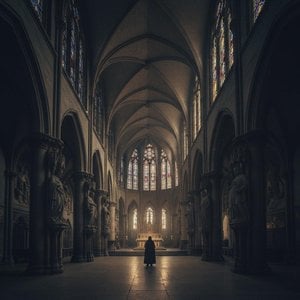
Experience Victor Vasnetsov’s ‘Crucifixion,’ a dramatic 1904 masterpiece. Realistic detail & Gothic architecture capture this poignant biblical scene. Explore art history!

Avastage Viktor Vasnetsovi: ikooniline vene maalikunstnik, kes ammutas inspiratsiooni Bütsantsi mütoloogiast ja rahupärimustest! Tutvuge tema muinasjutuliste teostega, sümbolismiga ning püsiva legendiaga. 🎨

Giclée / Kunstiprint

Muuseumikvaliteediga giclée- või kangasprint kiire tootmisega ja paindlikud viimistlusvõimalused. ( Osta käsitsi maalatud teos Lülita digitaalse pildi juurde)

Corner sample of the P118B picture frame: vormitud polüstüreen, 5 cm wide and 3 cm thick
P118B €10
Corner sample of the P118H picture frame: vormitud polüstüreen, 5 cm wide and 3 cm thick
P118H €10
Corner sample of the P118W picture frame: vormitud polüstüreen, 5 cm wide and 3 cm thick
P118W €10
Corner sample of the P438Z picture frame: vormitud polüstüreen, 5.5 cm wide and 3.5 cm thick
P438Z €10
Corner sample of the P508JH picture frame: vormitud polüstüreen, 7 cm wide and 3.5 cm thick
P508JH €12
Corner sample of the P508YH picture frame: vormitud polüstüreen, 7 cm wide and 3.5 cm thick
P508YH €12
Corner sample of the P805H picture frame: vormitud polüstüreen, 5 cm wide and 3.5 cm thick
P805H €10
Corner sample of the P805Z picture frame: vormitud polüstüreen, 5 cm wide and 3.5 cm thick
P805Z €10
Corner sample of the P919BZ picture frame: vormitud polüstüreen, 7 cm wide and 3.5 cm thick
P919BZ €10
Corner sample of the P919G picture frame: vormitud polüstüreen, 7 cm wide and 3.5 cm thick
P919G €10
Corner sample of the P919XJ picture frame: vormitud polüstüreen, 7 cm wide and 3.5 cm thick
P919XJ €10
Corner sample of the P959ZH picture frame: vormitud polüstüreen, 5 cm wide and 3 cm thick
P959ZH €10
Corner sample of the P968JZ picture frame: vormitud polüstüreen, 6 cm wide and 4 cm thick
P968JZ €12
Corner sample of the W106C picture frame: massivpuit, 5 cm wide and 3 cm thick
W106C €8
Corner sample of the W218G picture frame: massivpuit, 5 cm wide and 3 cm thick
W218G €10
Corner sample of the W218JH picture frame: massivpuit, 5 cm wide and 3 cm thick
W218JH €8
Corner sample of the W218Y picture frame: massivpuit, 5 cm wide and 3 cm thick
W218Y €10
Corner sample of the W307PJ picture frame: massivpuit, 6 cm wide and 3 cm thick
W307PJ €10
Corner sample of the W316G picture frame: massivpuit, 6 cm wide and 3 cm thick
W316G €10
Corner sample of the W316PJ picture frame: massivpuit, 6 cm wide and 3 cm thick
W316PJ €8
Corner sample of the W316Y picture frame: massivpuit, 6 cm wide and 3 cm thick
W316Y €10
Corner sample of the W398PJ picture frame: massivpuit, 5 cm wide and 3 cm thick
W398PJ €8
Corner sample of the W4111J picture frame: massivpuit, 6.5 cm wide and 3.5 cm thick
W4111J €10
Corner sample of the W500HY picture frame: massivpuit, 7 cm wide and 5 cm thick
W500HY €15
Corner sample of the W500JH picture frame: massivpuit, 7 cm wide and 5 cm thick
W500JH €15
Corner sample of the W692G picture frame: massivpuit, 8 cm wide and 4 cm thick
W692G €12
Corner sample of the W849H picture frame: massivpuit, 5 cm wide and 3 cm thick
W849H €8
Corner sample of the W940BG picture frame: massivpuit, 7.5 cm wide and 4.5 cm thick
W940BG €15
Corner sample of the W953PJ picture frame: massivpuit, 6 cm wide and 3.5 cm thick
W953PJ €8

Standardne suurus
kohandatud
CM
INCH

Vali meie eelmääratud suurused, mis vastavad teose algupärastele proportsioonidele.

laius
kõrgus

Sisestage vajalik laius ja kõrgus, et see sobiks teie raamile või seinale. Trükki saab ainult lõigata, seda ei saa kunagi pildist suuremaks teha, seega ka erineva mustega suurus kaotab osa pildist. Enne trükkimist saadame teile kinnitamiseks digitaalse näidisprojektsiooni. Sellel lehel näidatud pilt ei kujuta reaalset lõiget — seda näitab ainult näidisprojektsioon.

Ülemaailmne tarne () 2 nädala jooksul, tavalise 4/5 nädala asemel. (29 oktoober)

Tasuta ekspresssaatmine üle maailma
Kõrgekvaliteediline lina-kangas
Täielik transpordikindlustus
Tollimaksude tagastamise garantii
Värvitoime täpsuse garantii
100 päeva tagastusõigus (ainult valmistusdefektide korral)
100% raha tagasi garantii
Hulgusoodustus

Kogu summa

€ 60

Crucifixion

Giclée / Kunstiprint

Reproduktsiooni suurus

-

Koguhind

€ 60

Teave teose kohta

  • subject: Religious (Crucifixion of Jesus Christ)
  • year: 1904
  • artist: Victor Vasnetsov
  • title: Crucifixion

Kunstiteaduse kvartett

Iga küsimuse kohta on ainult üks õige vastus.

Küsimus 1:
In Victor Vasnetsov's 'Crucifixion,' what architectural style is prominently featured in the background?
Küsimus 2:
What year was Victor Vasnetsov’s ‘Crucifixion’ created?
Küsimus 3:
Which figures are depicted mourning at the foot of the cross in Vasnetsov's 'Crucifixion'?
Küsimus 4:
Vasnetsov’s artistic style is characterized by influences from which of the following?

A Dramatic Vision of Faith: Victor Vasnetsov’s *Crucifixion* (1904)

  • Subject and Narrative: This powerful painting by Victor Vasnetsov depicts the pivotal moment of Christ's crucifixion. The scene is rendered with a stark realism that emphasizes both the physical suffering and spiritual weight of the event. We witness not only Jesus on the cross, bearing visible wounds, but also the profound grief of those closest to him – Mary Magdalene kneeling in lamentation at the foot of the cross, and John the Apostle standing beside it, overcome with sorrow.
  • Artistic Style & Technique: Vasnetsov’s style is uniquely positioned between realism and Symbolism. While meticulously detailed in its portrayal of anatomy, fabric textures, and architectural elements, *Crucifixion* transcends mere representation. The artist employs a dramatic use of chiaroscuro – the interplay of light and shadow – to heighten the emotional intensity and focus attention on Christ’s figure. His technique reflects influences from Byzantine art, particularly in the solemnity and spiritual depth conveyed.
  • Historical Context & Influences: Created in 1904, this work emerged during a period of renewed religious interest within Russia, coupled with a burgeoning national artistic identity. Vasnetsov was a key figure in the *Russian Revival* movement, drawing inspiration from medieval Russian art and folklore alongside Byzantine traditions. The Gothic architectural backdrop – resembling a cathedral – is not necessarily historically accurate to Palestine but serves to elevate the scene’s symbolic weight and connect it to European Christian heritage.
  • Symbolism & Iconography: Beyond its literal depiction, *Crucifixion* is rich in symbolism. The cross itself represents sacrifice and redemption. Mary Magdalene's posture of grief embodies repentance and devotion. John the Apostle’s presence signifies unwavering faith amidst suffering. The somber color palette – dominated by dark tones – reinforces the gravity of the event and evokes a sense of mourning. The architectural setting can be interpreted as representing the Church itself, witnessing this foundational moment in Christian history.
  • Emotional Impact & Interpretation: Vasnetsov’s *Crucifixion* is not merely a historical or religious painting; it's an emotionally resonant work that invites contemplation. Despite the tragic subject matter, there’s a sense of dignity and solemnity in the depiction of Christ and his followers. The artist avoids sensationalism, instead focusing on conveying the profound sorrow and spiritual significance of the event. The painting evokes feelings of empathy, reverence, and reflection on themes of faith, sacrifice, and redemption.
  • For Collectors & Designers: This artwork’s dramatic composition and rich detail make it a compelling focal point for any space. A high-quality reproduction would lend an air of gravitas and spiritual depth to a living room, study, or chapel. Its classic subject matter and masterful execution ensure its enduring appeal.

Korduvad küsimused

Millist väripaletti teoses „Crucifixion“, autor Viktor Vasnetsov on kasutatud?

Teose „Crucifixion“, autor Viktor Vasnetsov väripalett on kirjeldatud kui Earthy. See on lühike kirjeldus teose värvide kohta.

Milline värv domineerib teose „Crucifixion“, autor Viktor Vasnetsov kompositsioonis?

Espresso (#4e4342) on teose „Crucifixion“, autor Viktor Vasnetsov domineeriv värv.

Kust saan leida statistikat teose „Crucifixion“, autor Viktor Vasnetsov kohta?

Teose „Crucifixion“, autor Viktor Vasnetsov lehe Statistika lehel on esitatud avalikud külastusstatistika: selle teose kuutlikud külastused, võrdlus kunstniku kõige vaatamistult populaarsemate teostega ning külastajate päritolu.


Kunstniku elulugu

Viktor Vasnetsovi elu ja pärand

Viktor Mihhailovitš Vasnetsov, sündinud 12. mail 1848. aastal Vjatka külas (tänapäeval Kirov), Venemaal, oli kunstnik, kelle looming on tihedalt seotud vene rahvakultuuriga ning müstiliste lugudega. Tema teosed on nagu aknad vanaaja maailma, täis hingekosutavaid muinasjutte ja ajaloolisi legende. Vasnetsovi perekond oli kunstile lähedane – isa oli preester ja amatöörkunstnik, kes äratas pojas varakult huvi visuaalse kunsti vastu. Kuigi algselt õppis ta Vjatka Seminaris teoloogiat, otsustas ta lõpuks pühenduda maalimisest ning oma sisemise kutsumuse järgida.

Vasnetsov alustas 1867. aastal õpinguid Keiserlikus Kunstiakadeemias Peterburis, kus kohtus ja sõbrunes teiste silmapaistvate vene kunstnikega. Tema varased tööd kajastasid realistlike suundumusi, olles mõjutatud Peredvizhniki (Rändurid) liikumisest ning keskendudes talupoegliku elu stseenidele. Küll aga toimus pöördepunkt tema loomingus siis, kui ta lummus vene rahvaluulest, mütoloogiast ja ajaloolistest eepostest – *bylinadest*. Ta ammutas inspiratsiooni kunstnikelt nagu Isaak Levitan ja Ivan Aivazovski, kuid lõi ainulaadse stiili, mis ühendas realismis fantastilisi elemente. Reisid Lääne-Euroopasse avardasid tema silmaringi ning tutvustasid erinevaid kunstisuundumusi, sealhulgas sümbolismi, mis mõjutas veelgi tema esteetilist nägemust.

Peamised teosed ja motiivid

Vasnetsovi kuulsaimad maalid kujutavad stseene vene muinaslugudest, rahvaluulest ning ajaloolistest sündmustest. Silmapaistvad tööd on näiteks “Rüütel ristteel”, “Bogatyrid” (Kolm sõdalast), “Aljonuška”, “Ivan Tsarevitš hallil hundil ratsutamas” ja tema kujundused Kiievi Pühava Vladimiri katedraalile. Korduvad motiivid on kangelaslus, vaimsus, rahvuslik identiteet ning looduse müstiline jõud. Ta kujutas sageli *bogatyreid* (eepilisi kangelasi) kui vene tugevuse ja vastupidavuse sümboleid.

Ajalooline tähtsus ja pärand

Vasnetsov mängis olulist rolli vene revivalismi liikumises, mis püüdles avastada ning tähistada vene kultuuripärandit. Tema töö aitas kujundada rahvuslikku kunstilist identiteeti ning andis panuse uuenenud huvi vastu vene rahvaluule ja ajaloo suhtes. Ta sillutas teed akadeemilise realismi ja sümbolismi vahel, luues eripärase stiili, mis mõjutas järgnevaid põlvkondi kunstnikke. Vasnetsovi kujundused arhitektuuriprojektide jaoks, näiteks Tretjakovi galerii fassaad, demonstreerivad tema mitmekülgsust ning mõju maalimisest kaugemale.

Hilised eluaastad ja surm

Vasnetsov jätkas kunsti loomist kogu oma elu jooksul, katsetades erinevate meediumitega ning stiilidega. Ta jäi silmapaistvaks figuuriks vene kunstimaailmas kuni oma surmani 23. juulil 1926. aastal Moskvas. Tema pärand kestab tema ikoonlike maalidena ning olulise panusena vene kunstipärandi rikastamisse. Tema teosed on nagu peegel, mis kajastab vene hinge ja fantaasiat.

Viktor Vasnetsov

Viktor Vasnetsov

1848 - 1926 , Venemaa

Lühikest infot

  • Kunstiliikumine: Sümbolism, Vene revivalism
  • Mõjutanud Kunstnikud:
    • Isaak Levitan
    • Ivan Aivazovski
  • Rahvus: Venelane
  • Surmapäev: 1926
  • Sündimiskoht: Jekaterinburg, Venemaa
  • Sünnipäev: 12. mai 1848
  • Tuntud Teosed:
    • Rüütel ristteel
    • Bogatyrid
    • Aljonuška
  • Täisnimi: Viktor Mihhailovitš Vasnetsov