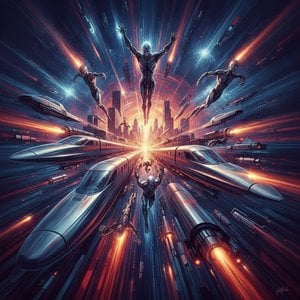
Umborto Boccioni: Liikumise ja Modernismi Prohveteering
Umborto Boccioni, sündinud 1882. aastal Calabria Reggio linnas, oli Itaalia futurismiliikumise üks silmapaistvamaid tegelasi – jõud, mis püüdis murda kunstilisi konventsioone ja haarata kaasaegse maailma dünaamilisust. Tema elu, kuigi traagiliselt lühike, lõppes vaid kolmekümnese kolmeaastasena, sai tõestuseks tema vankumatust uskumust progressi, kiiruse ja masinajastu võluva energia poole. Boccioni varased aastad olid märgistatud pidevate üleviimistega seoses isa teenistuskohaga, kasvatus, mis tutvustas teda mitmesugustele maastikele ning sühendas temas rahutust vaimu. See rändav eksistents viis ta lõpuks Rooma, kus ta esmalt püsis dekoratiivsete kunstide õpingutel enne, kui suundus maalima, omandades mõjutusi ajastu Liberty stiili plakatikunstnikelt. Kuid just kohtamine futurismiga, mis tekitas Filippo Tommaso Marinetti kirjutiste poolest, tõi kaasa tema kunstilise tee tõelise põlemishetke.
Futuristliku Vaimu Haaramine: Kunstniku Tõus
Aasta 1910 osutus Boccioni jaoks pöördeliseks. Ta kirjutas alla *Manifesto dei Pittori Futuristi*, kinnitades oma pühendumust liikumisele, mis tähistas tehnoloogiat, kiirust ja isegi vägivalda modernsuse sümbolitena. See ei olnud pelgalt esteetiline valik; see oli filosoofiline rebell traditsiooni raskusvõrgu vastu, soov tabada maailma olemust, mis kihutab määrusega ebakindla tuleviku poole. Boccioni sai kiiresti futurismile üks kõige jutukaim teoreetik, laienedes Marinetti algsete avalduste peale ja rakendades neid kujutavale kunstile. Ta väitis täielikust loobumisest esitluslikust täpsusest, soovitades selle asemel maalida nii, et see edastaks mitte ainult seda, *kui* asjad näevad välja, vaid *kui* need tunduvad liikumises – kiiruse sensatsioon, vormi fragmentatsioon, linnaelu ülev energia. Tema varasemad tööd, mis viitavad veel Impressionistlike ja Divisionistlike mõjudele, hakkasid demonstreerima kasvavat obsessiooni dünaamikaga. Sellised teosed nagu *Linn tõuseb* (1910-1911) on monumentaalsed nii ulatuse kui ka ambitsioonide poolest, kujutades modernse metropoli keerukat ehitust – keerlev võimsus inimkujudest, hoonetest ja masinatest, mis kehastab futuristlikku ideaali.
Reaalne Dekonstrueerimine: Tehnika ja Teemad
Boccioni kunstiline areng iseloomustati üha radikaalsema lähenemisega vormile. Ta hüljaski traditsioonilised perspektiivi ja kompositsiooni mõisted, omaks fragmentatsiooni vahendina liikumise ja energia edastamiseks. Objektid jagati nende koostisosadeks, jõujooned kiirgasid väljapoole ning värvid segunesid keerlevates mustrites – kõik oli loodud visuaalse vibratsiooni loomiseks. See dekontruktsioon ei olnud pelgalt stilistiline; see põhines Boccioni veendumusel, et ka ise reaalsus on vedelik ja pidevalt muutuv. Ta püüdis esitada mitte asjade staatilist välimust, vaid nende dünaamilist olemust. Peamised teemad ilmusid tema loomingus: dünaamika, modernsuse tähistamine ja fanaatiline huvi inimkeha vastu kui energia ja liikumise väljendamise vahendina. See ilmneb võimsalt sellistes töödes nagu *Inimkeha dünaamilisus* (1913), kus kuju ei kujuta endast tahku vormi, vaid pigem fragmentide sarja, mis viitavad liikumisele ruumis. Ilmselt tema ikoonilisim looming, *Unikaalsed pidevusvormid ruumis* (1913) ületab maalimisvõtte täielikult – pronksist skulptuur, mis kehastab futuristlikku ideaali vapustava jõuga. Kuju näib olevat jäädvustatuna liikumisega, selle jäsemed ja torso on pikenenud ja moonutatud, andes tunde takistamatust hoost.
Pärand ja Püsiv Mõju
Boccioni enneaegne surm 1916. aastal Esimese maailmasõja ajal võttis kunstimaailmalt tõeliselt visionääri talendi. Tema ideed ja teosed jäid aga kauaks peale tema surma kõlama. Ta mõjutas sügavalt mitte ainult hilisemaid futuristlikke kunstnikke, vaid ka selliseid liikumisi nagu Konstruktivism ja Abstract Expressionism. Tema dünaamika, modernsuse esitamine ja inimkehaga seotud teemad rajasid uusi kunstilise väljenduse vorme, luues väljakutsetele traditsioonilistele ilu- ja esindusmõistetitele.
- Mõjud: Giacomo Balla Divisionistlikud tehnikad, Kubismi vormide fragmentatsioon ning Nietzsche filosoofia kirjutised.
- Tuntumad teosed: *Inimkeha dünaamilisus*, *Unikaalsed pidevusvormid ruumis*, *Linn tõuseb*, *Tsüklise sõitja dünaamilisus*.
- Histrooriline tähendus: Põhiliseks tegelaseks 20. sajandi kunstis, Boccioni väljakutsetele kunstilistele konventsioonidele ja aitas kujutada kaasaegse kunsti suunda. Tema dünaamika ja liikumise esitamine inspireerib jätkuvalt kunstnikke tänapäevani.
Umborto Boccioni jääb potentselt innovatsiooni sümboliks – tõestuseks, kui võimas on muutust omaks võtta ja olemasolevat vaielda. Ta polnud pelgalt kunstnik; ta oli modernismi prohvet, tabades maailma vaimu, mis oli transformatsiooni otsas, jättes maha pärandi, mis kõleb jätkuvalt läbi kunstimaailma.
Tema töö ei ole lihtsalt liikumise kujutamine; see on selle kehastamine.



 Eelvaade
 Osta käsitsi maalitud maal
 Saada
Saada Jaga
Jaga
 Teave teose kohta

 Laadi alla
 Sarnased teosed
 Röntgenuuring
 Slaidietendus
 Statistika

 Loe lähemalt






































 Klaasivalik on saadaval ainult suuruses kuni 110 cm