Vaata sisu Vaata AR-eelvaadet Lülita trükkitoodetele Ülemineku digitaalse pildi müügi kanalisse Jaga teost
Detailid Õppekate juhend Lisa lemmikutesse Laadi alla Sarnased teosed Röntgenuuring Slaidietendus Statistika

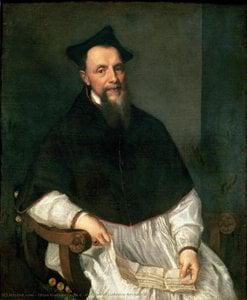
Christ

Titian Ramsay Peale II (1799-1885) – ameerika kunstnik ja naturalisti, kes ühendas renessansi vaimu teadusliku täpsusega. Tema maalidel on näha Veneetsia värvimeistri mõju ning religioossed teosed ja portreed rõhutavad ilu ja vaimsust.

Käsitsi valmistatud õlimaalireproduktsioon

Meie kunstnike poolt tellimusel valmistatud käsitsi maalitud õli-kainaste teos teie soovitud suuruses ja raamis. ( Lülita trükkitoodetele Ülemineku digitaalse pildi müügi kanalisse)

Corner sample of the P118B picture frame: vormitud polüstüreen, 5 cm wide and 3 cm thick
P118B 10
Corner sample of the P118H picture frame: vormitud polüstüreen, 5 cm wide and 3 cm thick
P118H 10
Corner sample of the P118W picture frame: vormitud polüstüreen, 5 cm wide and 3 cm thick
P118W 10
Corner sample of the P438Z picture frame: vormitud polüstüreen, 5.5 cm wide and 3.5 cm thick
P438Z 10
Corner sample of the P508JH picture frame: vormitud polüstüreen, 7 cm wide and 3.5 cm thick
P508JH 12
Corner sample of the P508YH picture frame: vormitud polüstüreen, 7 cm wide and 3.5 cm thick
P508YH 12
Corner sample of the P805H picture frame: vormitud polüstüreen, 5 cm wide and 3.5 cm thick
P805H 10
Corner sample of the P805Z picture frame: vormitud polüstüreen, 5 cm wide and 3.5 cm thick
P805Z 10
Corner sample of the P919BZ picture frame: vormitud polüstüreen, 7 cm wide and 3.5 cm thick
P919BZ 10
Corner sample of the P919G picture frame: vormitud polüstüreen, 7 cm wide and 3.5 cm thick
P919G 10
Corner sample of the P919XJ picture frame: vormitud polüstüreen, 7 cm wide and 3.5 cm thick
P919XJ 10
Corner sample of the P959ZH picture frame: vormitud polüstüreen, 5 cm wide and 3 cm thick
P959ZH 10
Corner sample of the P968JZ picture frame: vormitud polüstüreen, 6 cm wide and 4 cm thick
P968JZ 12
Corner sample of the W106C picture frame: tammepuu või massivpuit, 5 cm wide and 3 cm thick
W106C 8
Corner sample of the W218G picture frame: tammepuu või massivpuit, 5 cm wide and 3 cm thick
W218G 10
Corner sample of the W218JH picture frame: tammepuu või massivpuit, 5 cm wide and 3 cm thick
W218JH 8
Corner sample of the W218Y picture frame: tammepuu või massivpuit, 5 cm wide and 3 cm thick
W218Y 10
Corner sample of the W307PJ picture frame: tammepuu või massivpuit, 6 cm wide and 3 cm thick
W307PJ 10
Corner sample of the W316G picture frame: tammepuu või massivpuit, 6 cm wide and 3 cm thick
W316G 10
Corner sample of the W316PJ picture frame: tammepuu või massivpuit, 6 cm wide and 3 cm thick
W316PJ 8
Corner sample of the W316Y picture frame: tammepuu või massivpuit, 6 cm wide and 3 cm thick
W316Y 10
Corner sample of the W398PJ picture frame: tammepuu või massivpuit, 5 cm wide and 3 cm thick
W398PJ 8
Corner sample of the W4111J picture frame: tammepuu või massivpuit, 6.5 cm wide and 3.5 cm thick
W4111J 10
Corner sample of the W500HY picture frame: tammepuu või massivpuit, 7 cm wide and 5 cm thick
W500HY 15
Corner sample of the W500JH picture frame: tammepuu või massivpuit, 7 cm wide and 5 cm thick
W500JH 15
Corner sample of the W692G picture frame: tammepuu või massivpuit, 8 cm wide and 4 cm thick
W692G 12
Corner sample of the W849H picture frame: tammepuu või massivpuit, 5 cm wide and 3 cm thick
W849H 8
Corner sample of the W940BG picture frame: tammepuu või massivpuit, 7.5 cm wide and 4.5 cm thick
W940BG 15
Corner sample of the W953PJ picture frame: tammepuu või massivpuit, 6 cm wide and 3.5 cm thick
W953PJ 8

Standardne suurus
kohandatud
CM
INCH

Vali meie eelmääratud suurused, mis vastavad teose algupärastele proportsioonidele.

laius
kõrgus

Sisestage vajalik laius ja kõrgus, et teos sobiks teie raamile või seinale. Kuna tegu on käsipainatud teosega, siis erineva kujuga suuruse korral võib kunstnik jätta pildi ümber veidi rohkem marginaali või lõigata osa ära — valik on teie. Enne maali alustamist saadame teile kinnitamiseks digitaalse näidisprojektsiooni. Sellel lehel näidatud pilt ei kajasta tegelikku tulemust — seda näitab ainult näidisprojekttsioon.

Näited muudetavatest elementidest: asenda nägu kliendi fotoga; lisa lemmikloom (nt asenda kass koeraga); lisa taustale peidetud sõnum; muuda tausta maastikku või elemente.
Pärast tellimust saadab WahooArt.com meeskond kliendile e-posti juhised ning esitab eelvaate kavandi

Maailmline tarne 3–4 nädala jooksul tavalise 5 nädala asemel. (22 oktoober). Kvaliteedis kompromisse ei tehta.

Tasuta ekspresssaatmine üle maailma
Kõrgekvaliteediline lina-kangastest muld
Täielik transpordikindlustus
Tollimaksude tagastamise garantii
Värvitoime täpsuse garantii
100 päeva tagastusõigus (ainult defektide korral)
100% raha tagasi garantii
Hulgusoodustus

Kogu summa

€ 238

Christ

Reproduktsiooni materjal

Reproduktsiooni mõõtmed

-

Lõppsumma

€ 238

Teave teose kohta

  • Notable elements or techniques: Detailed depiction; Atmospheric perspective
  • Influences: Venetian Renaissance
  • Artistic style: Classical Mannerism
  • Movement: Renaissance
  • Medium: Oil on Canvas
  • Year: 1522

Kunstiteaduse kvartett

Iga küsimuse kohta on ainult üks õige vastus.

Küsimus 1:
What artistic movement heavily influenced Titian Ramsay Peale II’s style?
Küsimus 2:
The painting depicts Jesus Christ holding what prominent symbol?
Küsimus 3:
What is the cityscape in the background of ‘Christ’ intended to represent?
Küsimus 4:
Which artist's style is Titian Ramsay Peale II often compared to?
Küsimus 5:
The inclusion of swords in the painting symbolizes:

A Renaissance Echo in the New World: Exploring Titian Ramsay Peale II’s “Christ”

Titian Ramsay Peale II stands as a singular figure within the burgeoning artistic landscape of 19th-century America—a testament to an enduring fascination with European artistic traditions amidst the rapid expansion of national identity. Born in Philadelphia in 1799, he inherited a lineage steeped in artistic prowess from his father, Charles Willson Peale, a titan of early American portraiture and the visionary founder of the nation’s inaugural museum. While his paternal legacy commanded considerable attention, Titian Ramsay Peale II carved out his own distinctive path—one firmly anchored in the stylistic precepts of the High Renaissance, specifically those emanating from Venice. This wasn't merely an imitation; it was a profound internalization of artistic ideals, translating them into canvases imbued with meticulous detail and a palette bursting with vibrant hues that distinguished him noticeably from many of his contemporaries. His life unfolded against the backdrop of transformative societal shifts—the Industrial Revolution reshaping American society—yet his creative spirit remained resolutely devoted to honoring the masters of antiquity, resulting in artworks that powerfully juxtapose classical elegance with nascent national expression.

Subject Matter and Composition: Heavenly Ascent

The painting depicts a dramatic religious scene centered around Jesus Christ, portrayed as ascending through the heavens on clouds. His posture exudes confidence and serenity, accentuated by the outstretched right hand firmly grasping a flag—a symbol of victory and divine authority—while his left hand cradles a cross, representing sacrifice and redemption. Surrounding him are figures embodying faith and devotion, strategically positioned to reinforce the narrative’s spiritual core. Notably, the cityscape visible in the distance serves as an earthly counterpoint to Christ's celestial journey, grounding the scene within a recognizable human context. The inclusion of two swords—one on the right side and another closer to the center—adds layers of complexity, hinting at themes of judgment and divine justice. Finally, perched atop the composition is an umbrella, offering visual balance and subtly suggesting protection from earthly tribulations.

Style and Technique: Venetian Influence Meets American Precision

Titian Ramsay Peale II’s artistic approach reflects a masterful blend of Venetian Renaissance techniques with the burgeoning precision characteristic of American artmaking during his era. Like many artists influenced by Venetian masters such as Titian and Tintoretto, he employed chiaroscuro—the dramatic interplay of light and shadow—to sculpt form and convey emotion. This technique is particularly evident in the depiction of Christ’s body, where subtle gradations of tone create a palpable sense of volume and realism. However, Peale II distinguishes himself through meticulous attention to detail—a hallmark of American naturalism—evident in the rendering of textures like the clouds and drapery. The artist skillfully utilized glazing techniques, layering translucent pigments over underlying colors to achieve luminous effects and heighten visual richness.

Historical Context: Romantic Idealism Amidst Industrial Change

Created in 1522, “Christ” emerged during a period marked by significant intellectual and artistic ferment—the High Renaissance’s waning influence giving way to the Romantic movement's emphasis on emotion and imagination. The painting reflects the broader cultural currents of its time, grappling with questions of faith, morality, and humanity’s relationship with divinity. Simultaneously, it captures the spirit of a nation undergoing rapid industrial transformation, mirroring the tension between tradition and progress that defined 19th-century America. Peale II's work stands as a poignant reminder of how artistic sensibilities can transcend geographical boundaries and historical epochs, resonating powerfully across centuries.

Symbolism: Faith, Sacrifice, and Divine Glory

The painting’s symbolism is rich and multifaceted. The flag represents Christ’s triumph over death and symbolizes divine victory—a cornerstone of Christian theology. The cross embodies sacrifice and redemption—the central sacrament of Christianity—serving as a visual reminder of Jesus's willingness to endure suffering for the salvation of humankind. Furthermore, the cityscape serves as an emblem of earthly existence juxtaposed against heavenly ascension, prompting contemplation on the human condition and its ultimate destiny. The swords symbolize divine judgment and underscore the importance of moral righteousness.

Emotional Impact: Reverence and Inspiration

“Christ” commands a profound emotional response—one rooted in reverence for religious faith and inspired by the sublime beauty of artistic execution. Peale II’s masterful use of color, light, and texture evokes feelings of awe and contemplation, transporting viewers to a realm beyond earthly concerns. The painting's enduring appeal lies in its ability to communicate timeless themes of spirituality, compassion, and hope—themes that continue to resonate with audiences today. A high-quality reproduction offers an opportunity to experience this artistic legacy firsthand, bringing the grandeur of Venetian Renaissance art into any home decor setting.

Küsimused ja vastused

Milliseid ühiseid elemente jagab teos "Christ" ümbri mõeldu "Titaan Ramsi Piali Ii loominguga"?

Teos "Christ" jagab koos Titaan Ramsi Piali Ii teistega Renaissance Echo stiili ja korduvaid teemasid: venetian tradition, spiritual narrative, classical idealism, artistic legacy, symbolic representation.

Kuidas saan teoseid „Christ“, autor Titaan Ramsi Piali Ii vaadata diapositatsioonina?

Teose "Christ" diaporama on vaadatav teose Slideshow lehel.

Kuidas teose "Christ" stiil seotub selle looja ajaga?

Teos „Christ“, autor Titaan Ramsi Piali Ii kuulub Renaissance Echo suunasse ning on loodud autori 19. sajand ajastul.


Kunstniku elulugu

Titaan Ramsay Piali II: Renessansi kajastusi Uusmaalil

Titaan Ramsay Piali II (1799-1885) hõivub harjumatu, sageli ülevaadatud nišši 19. sajandi Ameerika kunstimaailmas. Philadelphia ühes sündinud, oli ta süvitsi seotud kunstipärandiga kui Charles Willson Piali noorim poeg, oluline tegelane varase Ameerika portreemaali juures ja esimese rahvusliku muuseumi asutaja. Kuigi isa pärand paistis silma, rajas Titaan oma tee, mis oli sügavalt juurdunud renessansi esteetilistes ideaalides, eriti need, mis tulid Veneetsiast. Ta ei korrutanud lihtsalt stiile; ta kanaliseeris sügavat kunstilist tundlikkust, andes oma lõuenditele täpse detaili ja elava värvipaleti, mis eristasid teda paljudest kaasajastest. Tema elu toimus kasvavas Ameerika identiteedi taustal, kuid tema kunstiline süda jäi klassikaliste meistrite juurde, luues veenvat pinget vana maailma austamise ja uue maailma väljenduse vahel.

Loodusvaatleja märkmeraalt maalijani

Piali varased aastad olid tähistatud kunstile ja loodusteadusele pühendumisega – kombinatsioon, mille poole suunas isa mitmekülgne tegevus. Ta saatis ekspeditsioone, eriti Stephen Harrimani Longi rändlust Kliimakamarasse 1819-20, dokumenteerides taimestikku ja loomastikut kasvava kunstilise pilguga. See periood ei olnud lihtsalt vaatluste registreerimine; see oli vormi, valguse ja tekstuuri *mõistmine* – oskused, mis osutusid hindamatuks, kui ta pööras kogu oma tähelepanu maalimisega tegelemisele. Tema loodusvaatlejana töö informeeris tema kunsti, andes teadusliku täpsuse tema kujutustele loomastikust, kuid ka andis neile emotsionaalse resonantsi, mis ületas pelgalt dokumentatsiooni. Ta ei näidanud meile lihtsalt, kuidas asjad välja näevad; ta paljastas nende sisemise ilu ja vaimse tähenduse. See pühendumus mõlemale distsipliinile on näha sellistes teostes nagu „Auhinna raha“, mis kujutab dramaatilist valgust ja varju, mis meenutavad Rubensi tööd.

Veneetsia mõjud ja pühad nägemused

Veneetsia värviksism – rõhuasetus rikkale, sädelevatele värvidele ja atmosfäärilistele efektidele, mida pooldasid sellised kunstnikud nagu Titaan (kelle järgi ta oma nime sai) – on kahtlusetu Piali loomingus. Ta ei jäljendanud neid meistere lihtsalt; ta sisendas nende põhimõtteid ja kohandas neid oma kunstilisele visioonile. See ilmneb eriti tema religioossetes töödes, nagu „Nelja pühak altaripüha“ ja „Hea Shepherdi austamine“. Need pole pelgalt piibelikohtade kujutised; need on asetõmbeva elamuse, mis kutsub vaatajat vaimulikku kaalutluste maailma läbi hoolikalt korraldatud kompositsioonide ja värvi meisterliku kasutamise emotsiooni esilekutsumiseks. Töö detailile pühendumus räägib nii tema tehnilisest oskustest kui ka sügavast austusest oma teema vastu. „Iludus“, mis on silmapaistev portree, näitab veel kord tema võimet jäädvustada inimkuju ja iseloom elegantsi ja rafineerimisega.
Uuesti avamine ja jätkuv tähendus

Suure osa 20. sajandist jäi Titaan Ramsay Piali II suuresti varju kunstiajaloo narratiivides. Tema töö ei sobinud hästi valitsevatesse trenditesse, ja tema pühendumus klassikale tundus anahroonseks kiirelt muutuvast kunstilises keskkonnas. Viimastel aastatel on aga toimunud kasvav ümberhindamine tema panusele. Teadlased ja kollektsionäärid tunnistavad Ameerika sensibilsuste ja Euroopa traditsioonide ainulaadset segu, mis iseloomustab tema maalimis. Tema töö taaskastmine ei täitse pelgalt kunstiajaloo lünki; see on süngem arusaamine keerulistest kultuurilistest jõududest, mis kujundasid 19. sajandi Ameerikat. Piali esindab silda maailmade vahel, tõend klassikaliste ideaalide kestvast võimsast ja meelduseks, et kunstiline innovatsioon tekib sageli ootamatutest mõjude kombinatsioonist. Tema maalimine, mida leidub nüüd kollektsioonides nagu WahooArt, Uffizi Galerii ja Palazzo Pitti, pakuvad veenvat pilgu unustatud Ameerika kunsti nurka – nurka, mis on valgustatud renessansi sädeleva säraga.
Titaan Ramsi Piali Ii

Titaan Ramsi Piali Ii

1799 - 1885 , Ameerika Ühendriigid

Lühikest infot

  • Artistic Movement Or Style: Renessansi uusklassitsism
  • Artists Who Influenced This Artist:
    • Titian
    • Rubens
    • Venetsia meistrid
  • Date Of Birth: 1799
  • Date Of Death: 1885
  • Full Name: Titian Ramsay Peale II
  • Nationality: Ameerika Ühendriigid
  • Notable Artworks:
    • Altar Shrine with Four Saints
    • Adoration of the Shepherds
    • The Beauty
    • Tribute Money
    • Holy Family w/ Shepherd
Avastage teoseid, mis on koondatud teemade, stiilide ja omaduste kaupa.




































