Muuseumikvaliteediga giclée- või kangasprint kiire tootmisega ja paindlikud viimistlusvõimalused. ( Osta käsitsi maalatud teos Lülita digitaalse pildi juurde)





























Vali meie eelmääratud suurused, mis vastavad teose algupärastele proportsioonidele.

Sisestage vajalik laius ja kõrgus, et see sobiks teie raamile või seinale. Trükki saab ainult lõigata, seda ei saa kunagi pildist suuremaks teha, seega ka erineva mustega suurus kaotab osa pildist. Enne trükkimist saadame teile kinnitamiseks digitaalse näidisprojektsiooni. Sellel lehel näidatud pilt ei kujuta reaalset lõiget — seda näitab ainult näidisprojektsioon.
Ülemaailmne tarne () 2 nädala jooksul, tavalise 4/5 nädala asemel. (10 november)
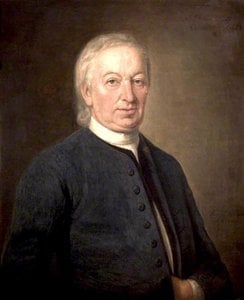
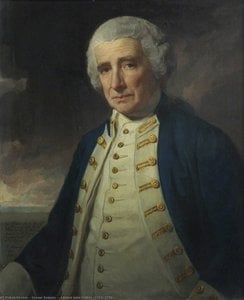
Captain Peter Marriette, Ship's Captain
Reproduktsiooni suurus
In the quiet dignity of Tilly Kettle’s 1769 masterpiece, Captain Peter Marriette, Ship's Captain, we encounter more than just a likeness; we step into the very heart of Enlightenment-era Britain. This striking oil painting serves as a profound window into an age defined by maritime expansion and the burgeoning influence of the East India Company. Through Kettle’s masterful hand, the subject is not merely recorded but elevated, embodying the steadfastness and social ambition that characterized the era. As the viewer engages with the portrait, there is an immediate sense of meeting a man of consequence—a figure whose very presence commands respect through a composed, thoughtful stillness.
The composition is a triumph of Neoclassical restraint. Eschewing the flamboyant distractions of the preceding Rococo period, Kettle employs a focused, one-point perspective that directs all attention toward Marriette’s countenance. Seated in profile against a muted, unobtrusive backdrop, the Captain becomes the singular protagonist of his own story. The artist utilizes the vertical space of the canvas to emphasize the subject's stature, ensuring that the viewer's gaze is drawn upward to the subtle nuances of his expression. It is a deliberate arrangement designed to foster a sense of solemn contemplation, inviting us to wonder about the many voyages and heavy responsibilities etched into the lines of his face.
Technically, the painting is a testament to the precision of 18th-century oil portraiture. Kettle’s brushwork is remarkably smooth, creating a polished surface that allows light to dance across the textures of the subject's attire. There is a palpable sense of volume in the rendering of Marriette’s clothing; the heavy fabric of his coat feels substantial, almost tactile, thanks to the meticulous application of shadow and highlight. This realism extends to the delicate textures of his hair and the fine details of his skin, where the artist captures the grace of aging with profound sensitivity.
The color palette is deeply symbolic, woven with a narrative of status and duty. The dominance of deep blues evokes the vastness of the oceans Marriette navigated, suggesting maritime authority, reliability, and a steadfast spirit. These cool tones are balanced by crisp whites, which lend an air of nobility and purity to the composition. To complete this visual language of prestige, Kettle incorporates subtle accents of gold trim along the Captain's coat. This glint of precious metal serves as a quiet but powerful reminder of his elevated social standing and the wealth brought by the era's global trade. For the discerning collector or interior designer, these colors offer a sophisticated palette that brings a sense of historical weight and classical elegance to any curated space.
Beyond its historical significance, Captain Peter Marriette possesses an emotional resonance that transcends the centuries. It is a piece that speaks of legacy, duty, and the quiet strength found in leadership. The soft, diffused lighting creates an atmosphere of intimacy, making the encounter with the subject feel personal rather than distant. This artwork does not merely decorate a room; it anchors it, providing a focal point of intellectual and aesthetic depth.
For those seeking to incorporate a piece of British art history into their homes or galleries, a high-quality reproduction of this work offers an unparalleled opportunity. It brings the spirit of the 1760s—an era of discovery and refined order—into a contemporary setting. Whether placed in a study, a formal dining room, or a sophisticated lounge, Kettle’s portrait serves as a timeless conversation piece, inspiring admiration for the craftsmanship of the past and the enduring allure of the Neoclassical tradition.
Teosed, mis sarnanevad teosega "Captain Peter Marriette, Ship's Captain", on loetletud selle teose Sarnased teosed lehel.
Teose „Captain Peter Marriette, Ship's Captain“, autor Tilly Kettle luminants on Soft Shadow. Luminants kirjeldab, kui palju valgust värvid peegeldavad.
Teose „Captain Peter Marriette, Ship's Captain“, autor Tilly Kettle käsitsi maalatud koopiaid müüakse saidil see veebileht: käsitsi maalatud õlireproduktsioon linaelapale, neid saab tellida selle lehelt Käsitsi maalatud reproduktsioon.

Tilly Kettle (1735–1786) seisab Briti kunstiajaloos ainulaadse isikuna — ta oli esimene märkimisväärne inglise portreimaalir, kes suutis saavutada edu India vibratil kultuurilaval Ida-India Kompanii võimu tipphetkel. Londnis sündinud Kettle, vankardi maalistaja poeg pühastunud õluseedu traditsiooniga perest, alustas oma kunstilist teekonda hariduslikult alusõpme all under William Shipley Strandis. See varajane õpilasküpsus viis ta kasvavasse kunstilisse keskkonda, mis oli innuka soovitud avastada uusi horisonte kaug beyond traditsiooniliste inglise maastikude piiridest.
Tema professionaalne sagedus portreemaalis algas 1750ndatel, saades kiiresti tunnustust oma võimekuse eest tabada sarnasuudlikke jooni märkimisväärse täpsuse ja tundlikkusega. Kettle varajased linaed — peamiselt 1760. aastast pärit eneseportreid — viisisid kohe välja tema ambitsioonid ning kinnitasid tema positsiooni tõusva talentina Kunstnike Seltsis, mis asutati aastal 1761. See esmane näitus kinnistas tema kohta kunstnike seas, kes püüdisid tunnustust, ning tõukutas teda suuremate tellimuste suunas. Tema varajast karjääri iseloomustas peen võime dokumenteerida oma teema väärikust ja staatust, eriti läbi tema tööde Dartmouthi familiaga.
Inglise piiridest kaugemale ulatudes on Kettle pärand määratud tema erakordse ekspeditsiooniga aastal 1768. Koos Ida-India Kompaniaga maandus ta Madrasis — kogemus, mis muuts sügavalt tema kunstilist visiooni ja teemavaldkonda. See periood võimaldas tal ühendada kaks maailma, segades Euroopa neoklassikalised tehnikad India subkontinenti eksotilisuse ja hiilgusega. Tema selle ajastu teosed toimivad kui elutähtsad ajaloolised dokumentid, tabades Briti koloniaalajalastu ja kohaliku India elu keerulisi ristumiskohti.
Kettle tehnika iseloomustas hämmastav realism ning võime kujundada nii luksuslike kangaste tekstuure kui ka inimemotioonide peeneid nüansse. Tema repertuaar hõlmab laia valikut teemasid, alates Georgian Inglismaa aristokraatsest elegantsist kuni Ida-India Kompanii mõjutuste autoriteeritud kujundite kuni.
Nende teoste kaudu ei piirdunud Kettle vaid nägude üleskirjutamisega; ta tabas kogu selle ajastu olemust, mida iseloomustas ekspansioon, kaubandus ja erinevate kultuuride kohtumine. Tema võime kohandada oma stiili nii Briti portreemaali ametlike nõudmistega kui ka India vibratil ja sageli ülevaldaval sensorlisel maastikul tagab tema püsiva koha kunstiajalu annals.

1735 - 1786 , Ühendkuningriik

Explore the refined world of Neoclassical portraiture. Discover the mastery of line, light, and order through an expert exploration of academic art history, from Jacques-Louis David to Jean-Antoine Houdon. Immerse yourself in the timeless elegance of classical realism.

Explore the profound elegance of Neoclassical art. Discover the principles of order, symmetry, and virtue through the works of masters like David and Mengs. Immerse yourself in a journey of classical grace and timeless aesthetic perfection.
 Eelvaade
 Saada
Saada Jaga
Jaga
 Teave teose kohta
 Juhend

 Laadi alla
 Sarnased teosed
 Röntgenuuring
 Slaidietendus
 KÜSIMUSED JA VASTUSID
 Statistika


 Loe lähemalt









 Klaasivalik on saadaval ainult kuni 110 cm suuruses teostes