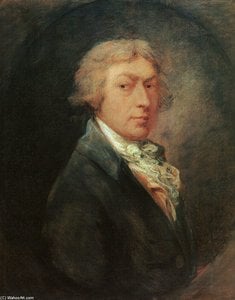
Hankige trükiivaldatav fail, mis on kvaliteedilt palju parem kui veebilehel näidatud eelvaade. Kõik meie müüdavad digitaalsed pildid pärinevad meie arhiivist kõrge resolutsiooniga originaalfailidest — tavaliselt 5000 kuni 15 000 pikslit laiust — nii et saate julgelt trükida suurematsat, lüüdist teha või detailset sisu reproduktsiooni teha.
Meie stuudiost ei lahtu ükski fail puutumatuna. Digiekpert võrdleb värve algsest maalistimusega ja vajadusel korrigeerib neid, seejärel parandab selgust ja detaile professionaalsete retušimisvahendite abil — püüdes alati jääda truudeks kunstniku pintoonile ja stiilile. Tulemuseks on pilt, mis näeb välja nagu maali, mitte nagu filtreeritud skann.
Teet kinnituse enne lõplikku valmimist: meie ekspert saadab pildi 72 tunni jooksul e-posti ülevaatamiseks. Ei ole rahul? Paluge parandusi või korrektsioone ning kui kvaliteet ei vasta ootustele, võite paluda tagastamist.
See on kvaliteet, millele tuguvad väljaandjad, disainistuudiod, galeriid ja trükikojad.
Laadi alla kõrge resolutsiooniga fail isiklikuks vaatamiseks, trükkimiseks ja loomingulisteks projektideks. ( Lülita trükkitoodetele Osta käsitsi maalatud teos)
Valides WahooArt.com, ei saa sa lihtsalt pilti – saad professionaalselt parandatud digitaalse teose, mida on valmistatud täpsusega ja mis on toetatud rahuldamatusgarantiiga. Siin on kõik, mis sinu tellimusega automaatselt kaasneb:
Teie kõrge resolutsiooniga digitaalne pildifail saadetakse teile e-posti 72 tunni jooksul pärast tellimist – kohe kasutamiseks valmis.
Teie teos on professionaalselt optimeeritud arenenud tehisintellekti tööriistade ja käsitsi redigeerimise abil, tagades maksimaalse detailitaseme, selguse ja värvitäpsuse.
Kas kustutasid faili kogukalu unustamisel või kustutamisel? Puudub mure – saad selle uuesti igal ajal ilma lisatasuta.
Nautige oma teoseid koheselt ilma tolli-, maksude või tarnimaskuludeta – digiletchargused on alati maksuvabadud.
Me tagame, et teie digitaalne pilt kajastaks originaali värve professionaalsete tööriistade ja värvihalduse abil võimalikult täpselt.
Kui te ei ole oma digitaalse pildi eest rahul, siis me parandame seda või tagastame 100% summast 100 päeva jooksul – küsimusteta.
Ei ole rahul? Saate täielise tagastaja 100 päeva jooksul pärast digitaalse faili kättesaamist – ilma küsimusteta.
Osta 3 pilti, säästa 10% - Osta 5, säästa 15% - Osta 10+, säästa 20%. Sobib suurepäraselt loomingulisteks projektideks, galeriideks ja agentuurideks.

Thomas Woodward, born in the bustling heart of London in 1801, emerged as a profound and biting voice during one of the most transformative eras in British history. The Victorian age, characterized by the relentless march of industrialization and deep-seated social upheaval, provided the perfect canvas for an artist possessed of both technical mastery and a keen eye for human fraelity. Woodward’s artistic vision was not merely a product of his time but was deeply rooted in an intellectual upbringing that embraced the grandeur of classical literature and the complexities of philosophy. This foundation allowed him to infuse his satirical engravings with a layer of sophistication, moving beyond simple mockery to offer astute observations on the follies of contemporary society.
His journey into the world of fine art began through a rigorous apprenticeship under the celebrated engraver George Moutard Woodward. It was during these formative years that he mastered the intricate techniques of mezzotint printing, a medium renowned for its ability to manipulate light and shadow to create rich, velvety tones. This technical prowess became the cornerstone of his career, enabling him to capture the subtle nuances of emotion and character that defined his work. Beyond the workshop, Woodward drew inspiration from the epic narratives of Homer’s Iliad and Odyssey, a passion that instilled a sense of dramatic composition and classical weight within even his most humorous caricatures.
As his reputation grew, Woodward became a sought-after talent for publishers looking to capture the zeitgeist of the nineteenth century. His career was marked by an extraordinary ability to translate the energy of London life into visual narratives that resonated with both the elite and the common observer. A significant portion of his artistic legacy is tied to his brilliant collaborations, most notably with fellow engravers such as Rowlandson. Together, they forged a partnership that produced some of the era’s most iconic satirical prints, tackling the pressing anxieties of the day—from the shadows of parliamentary corruption to the dizzying, often frightening, pace of industrial progress.
While much of his fame rests upon the sharp wit of his engravings, Woodward also demonstrated a remarkable versatility in more traditional mediums. His ability to pivot from the biting edge of caricature to the tender, evocative beauty of oil painting reveals an artist of immense depth. In works such as A Greyhound in Pursuit of a Hare, one can witness his mastery of dynamic movement and the raw energy of the natural world. Similarly, his more contemplative pieces, like The Shepherd Boy with His Dogs, showcase a Romantic sensibility, utilizing impasto techniques to celebrate childhood innocence and the quiet majesty of nature.
The significance of Thomas Woodward lies in his dual role as both a chronicler of social truth and a master of technical printmaking. He did not merely observe the Victorian era; he interrogated it. Through his lens, the contradictions of a society caught between tradition and modernity were laid bare, often through the medium of laughter. His work serves as a vital historical document, capturing the textures, tensions, and triumphs of a London in flux.
Today, the works of Woodward continue to captivate art historians and enthusiasts alike, standing as a testament to a period of unparalleled artistic experimentation. His contributions can be summarized through several enduring impacts:
Though his life was relatively short, ending in 1852, the echoes of Woodward’s wit and the precision of his hand remain etched in the annals of British art history, reminding us of the power of art to reflect, critique, and ultimately immortalize the human condition.

1801 - 1852
 Eelvaade
 Saada
Saada Jaga
Jaga
 Teave teose kohta
 Juhend

 Laadi alla
 Sarnased teosed
 Röntgenuuring
 Slaidietendus
 KÜSIMUSED JA VASTUSID
 Statistika

 Loe lähemalt