TASUTA KUNSTIKONSULTATSIOON

x
Telli trükis Telli trükisTellimaks maali Tellimaks maali SaadaSaada
DetailidDetailid Lisa lemmikutesse Lisa lemmikutesse Laadi allaLaadi alla Sarnased teosedSarnased teosed RöntgenuuringRöntgenuuring SlaidietendusSlaidietendus

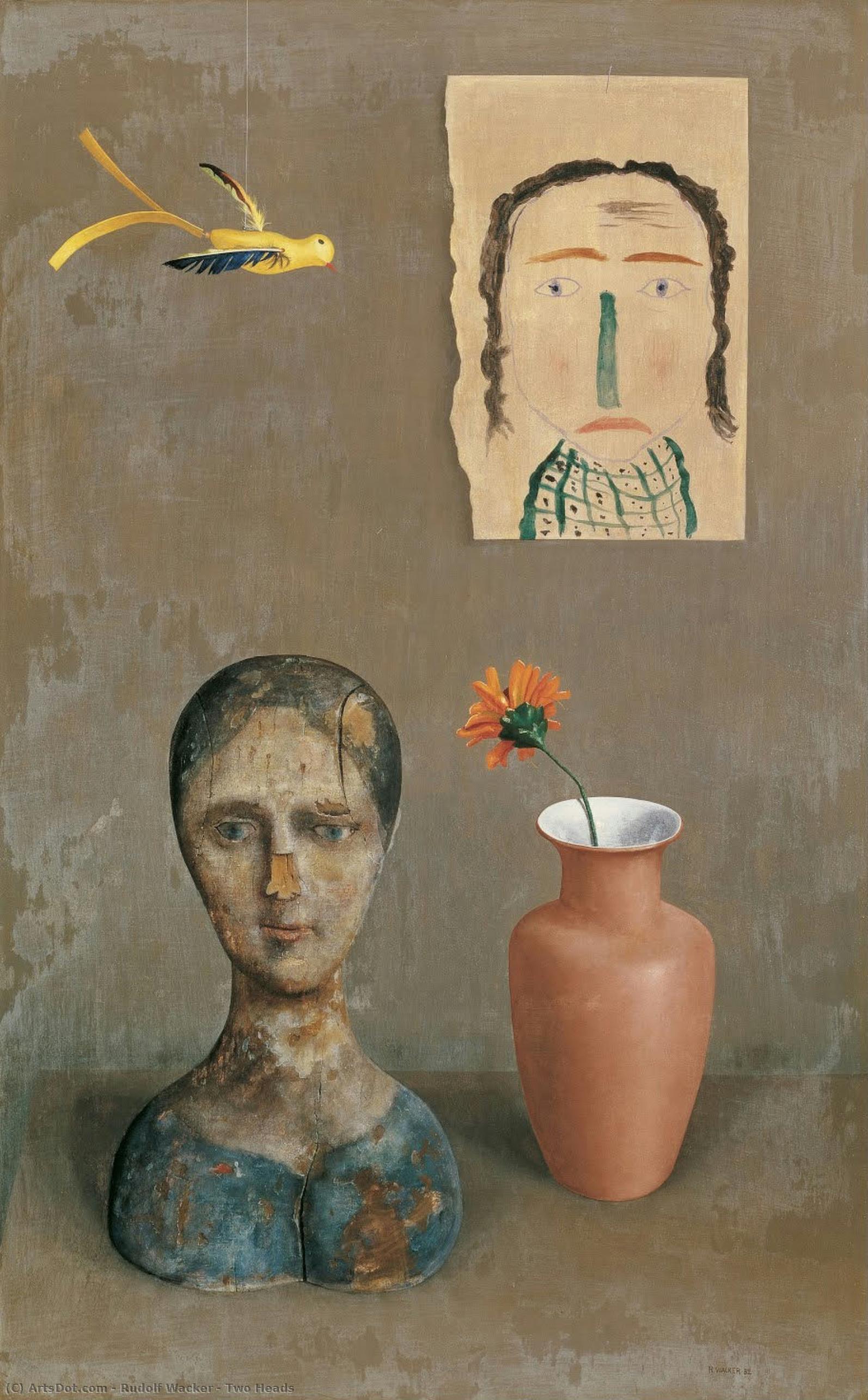
Two Heads

Discover "Two Heads" by Rudolf Wacker (1932). A hauntingly beautiful painting of two heads in a room. Explore this unique artwork & its historical context.

Discover Rudolf Wacker (1893-1939), an Austrian Expressionist painter known for intense color & emotional figures. Explore his 'Two Heads' & influence of Van Gogh & Munch.

Ostke kõrglahutusel ja täiustatud digitaalne pilt, mis on oluliselt parem kui veebilehel näidatud eelvaade.

Iga fail on meie spetsialistide poolt hoolikalt ette valmistatud, kasutades kaasaegseid tööriistu ja professionaalset käsitsi retušeerimist. Tagame, et igal pildil on erakordne selgus, täpne värvitäpsus ja peen detail.

Lõplik fail saadetakse e-posti teel 72 tunni jooksul, olles optimeeritud koheseks kasutamiseks professionaalsetes, toimetuslikes ja trüki keskkondades. See on sama kvaliteet, mida usaldavad tipptasemel disainistuudiod, kirjastused ja galeriid.

Digitaalne kunstiteos

Laadi alla kõrge resolutsiooniga fail isiklikuks vaatamiseks, trükkimiseks ja loomingulisteks projektideks.

Lõppsumma

$9.99

Sisse kuulub iga digitaalse pildi tellimusega

Eksperdi digitaalne kohaletoimetamine, garanteeritud

Valides WahooArt.com, ei saa sa lihtsalt pilti – saad professionaalselt parandatud digitaalse teose, mida on valmistatud täpsusega ja mis on toetatud rahuldamatusgarantiiga. Siin on kõik, mis sinu tellimusega automaatselt kaasneb:

shipping_icon
Kiire digitaalne saatmine

Teie kõrge resolutsiooniga digitaalne pildifail saadetakse teile e-posti 72 tunni jooksul pärast tellimist – kohe kasutamiseks valmis.

canvas_icon
Tehisintellektiga täiustatud digitaalne fail

Teie teos on professionaalselt optimeeritud arenenud tehisintellekti tööriistade ja käsitsi redigeerimise abil, tagades maksimaalse detailitaseme, selguse ja värvitäpsuse.

insurance_icon
Tasuta eluaegne uuesti saatmine

Kas kustutasid faili kogukalu unustamisel või kustutamisel? Puudub mure – saad selle uuesti igal ajal ilma lisatasuta.

tax_icon
Puuduvad importimaksed – alati

Nautige oma teoseid koheselt ilma tolli-, maksude või tarnimaskuludeta – digiletchargused on alati maksuvabadud.

color_icon
Värvitäpsuse garantii

Me tagame, et teie digitaalne pilt kajastaks originaali värve professionaalsete tööriistade ja värvihalduse abil võimalikult täpselt.

return_icon
60-päevane rahulolu garantii

Kui te ei ole oma digipildiga rahul, parandame seda või tagastame 100% summast 60 päeva jooksul – küsimusi ei esita.

guarantee_icon
100% raha tagastamise garantii

Ei ole rahul? Saate täielise tagastaja 60 päeva jooksul pärast digitaalse faili kättesaamist – küsimata.

discount_icon
Suurema tellimuse soodustused

Osta 3 pilti, säästa 10% - Osta 5, säästa 15% - Osta 10+, säästa 20%. Sobib suurepäraselt loomingulisteks projektideks, galeriideks ja agentuurideks.


Kunstniku biograafia

A Life Immersed in Color and Tension: The World of Rudolf Wacker

Rudolf Wacker, born in Bregenz, Austria in 1893, was an artist whose relatively short life was deeply etched by the tumultuous currents of the early 20th century. Though he died prematurely in 1939, his legacy as a pivotal figure within Austrian Expressionism and a precursor to Magical Realism endures. Wacker’s artistic journey wasn't one of immediate acclaim but rather a gradual unfolding shaped by personal hardship, political awareness, and an unwavering commitment to capturing the emotional weight of his time. His early life was supported by parents who recognized and nurtured his talent, allowing him to pursue studies at the College of Industrial Drawing in Bregenz before venturing towards Vienna and later Weimar—centers of artistic ferment. However, initial rejection from the Academy of Fine Art didn’t deter him; instead, it propelled him toward alternative avenues of learning and self-discovery.

From Expressionist Roots to a Unique Vision

The years surrounding World War I proved formative for Wacker. His experiences as a soldier, including nearly five years spent in Siberian prison camps, left an indelible mark on his psyche and subsequently, his art. These harrowing events fueled a deeply personal artistic language that initially drew from the intensity of Expressionism but soon began to diverge toward something uniquely his own. After the war, Wacker gravitated towards Berlin’s vibrant avant-garde scene, dividing his time between the city's creative energy and the quieter landscapes of Vorarlberg. It was during this period he married Ilse Moebius, who became a frequent subject in his paintings. While initially exploring Expressionist themes, Wacker gradually developed a style characterized by precise draftsmanship, bold color palettes, and an unsettling emotional depth—qualities that would later be associated with the *Neue Sachlichkeit* (New Objectivity) movement. However, to categorize him solely within this framework feels limiting; his work transcends simple labels, hinting at a burgeoning “Magischer Realismus” – a magical or phantastic realism that sought to reveal hidden psychological truths beneath the surface of everyday life.

Navigating Artistic and Political Landscapes

The 1920s saw Wacker actively engage with the artistic community, co-founding “Der Kreis” (The Circle) in an attempt to foster collaboration among artists in the Lake Constance region. Despite securing his first museum sale in 1928, financial struggles remained a constant companion. He was a voracious reader of contemporary art and deeply critical of Austrian painting, preferring instead to focus on German artistic developments. His fascination with Old Masters, particularly those from the 17th century, also informed his meticulous technique and symbolic use of imagery. As the political climate darkened in the 1930s, Wacker’s work took on a more overtly critical tone. Unlike many of his contemporaries, he openly challenged the rising tide of Nazism through his art and writings, participating in peace rallies and advocating for resistance—actions that brought him under scrutiny from authorities. This period was marked by increasing financial hardship and limited recognition despite several exhibitions in Vienna.

Legacy and Enduring Influence

Rudolf Wacker’s most celebrated works include ‘Two Heads’ (1932) and ‘Self-Portrait with a Palette’ (1935), paintings that exemplify his distinctive style—a potent blend of psychological insight, technical mastery, and emotional intensity. His influence can be seen in the work of later artists who explored similar themes of alienation, anxiety, and the fragility of human existence. Though he didn't achieve widespread fame during his lifetime, Wacker’s art has gained increasing recognition in recent decades, with exhibitions at prestigious institutions such as the Kunsthaus Zürich, the Neue Galerie in New York, and the Belvedere in Vienna. His paintings are now held in prominent collections including those of the Museum of Modern Art in New York and the Tate Gallery in London—testaments to his enduring artistic significance. Wacker’s ability to capture the anxieties and complexities of a rapidly changing world continues to resonate with audiences today, solidifying his place as a vital voice within 20th-century art history. His work serves as a poignant reminder of the power of art to confront difficult truths and bear witness to the human condition.
rudolf wacker

rudolf wacker

1893 - 1939 , Austria

Lühikesed faktid

  • Artistic Movement Or Style: Expressionism
  • Artists Or Movements Influenced By This Artist: ['Vienna Secession']
  • Artists Who Influenced This Artist:
    • Van Gogh
    • Edvard Munch
  • Date Of Birth: 1893
  • Date Of Death: 1939
  • Full Name: Rudolf Wacker
  • Nationality: Austrian
  • Notable Artworks:
    • Two Heads
    • Self-Portrait with Palette
  • Place Of Birth: Bregenz, Austria