


Ostke kõrglahutusel ja täiustatud digitaalne pilt, mis on oluliselt parem kui veebilehel näidatud eelvaade.
Iga fail on meie spetsialistide poolt hoolikalt ette valmistatud, kasutades kaasaegseid tööriistu ja professionaalset käsitsi retušeerimist. Tagame, et igal pildil on erakordne selgus, täpne värvitäpsus ja peen detail.
Lõplik fail saadetakse e-posti teel 72 tunni jooksul, olles optimeeritud koheseks kasutamiseks professionaalsetes, toimetuslikes ja trüki keskkondades. See on sama kvaliteet, mida usaldavad tipptasemel disainistuudiod, kirjastused ja galeriid.
Laadi alla kõrge resolutsiooniga fail isiklikuks vaatamiseks, trükkimiseks ja loomingulisteks projektideks. ( Osta print Osta käsitsi maalitud maal)
Valides WahooArt.com, ei saa sa lihtsalt pilti – saad professionaalselt parandatud digitaalse teose, mida on valmistatud täpsusega ja mis on toetatud rahuldamatusgarantiiga. Siin on kõik, mis sinu tellimusega automaatselt kaasneb:

Teie kõrge resolutsiooniga digitaalne pildifail saadetakse teile e-posti 72 tunni jooksul pärast tellimist – kohe kasutamiseks valmis.

Teie teos on professionaalselt optimeeritud arenenud tehisintellekti tööriistade ja käsitsi redigeerimise abil, tagades maksimaalse detailitaseme, selguse ja värvitäpsuse.

Kas kustutasid faili kogukalu unustamisel või kustutamisel? Puudub mure – saad selle uuesti igal ajal ilma lisatasuta.

Nautige oma teoseid koheselt ilma tolli-, maksude või tarnimaskuludeta – digiletchargused on alati maksuvabadud.

Me tagame, et teie digitaalne pilt kajastaks originaali värve professionaalsete tööriistade ja värvihalduse abil võimalikult täpselt.

Kui te ei ole oma digipildiga rahul, parandame seda või tagastame 100% summast 100 päeva jooksul – küsimusi ei esita.

Ei ole rahul? Saate täielise tagastaja 100 päeva jooksul pärast digitaalse faili kättesaamist – küsimata.

Osta 3 pilti, säästa 10% - Osta 5, säästa 15% - Osta 10+, säästa 20%. Sobib suurepäraselt loomingulisteks projektideks, galeriideks ja agentuurideks.
Rubens Peale's "Two Ruffed Grouse in Underbrush," painted in 1864, isn’t merely a depiction of two birds; it’s a carefully constructed tableau of American naturalism and the burgeoning spirit of scientific observation that defined the mid-19th century. The painting immediately draws the eye with its intimate portrayal of these elusive creatures nestled within a dense undergrowth—a scene brimming with quiet drama and subtle detail. Peale, a key figure in Philadelphia’s vibrant artistic and scientific community, masterfully blends elements of realism with an almost painterly softness, creating an image that feels both meticulously observed and deeply imbued with feeling.

Peale's approach to this work is particularly fascinating when considered within the context of his career. He wasn’t primarily a painter of grand landscapes or heroic figures; instead, he dedicated himself to documenting the natural world through meticulous observation and scientific illustration – a practice deeply rooted in his family history, tracing back to his father, Charles Willson Peale, a renowned naturalist and museum curator. “Two Ruffed Grouse” exemplifies this dedication. The painting’s realism is remarkable, achieved not through idealized representation but by painstakingly rendering the textures of feathers, foliage, and earth. Notice the subtle variations in color—the mottled browns and greys of the birds' plumage blending seamlessly with the muted tones of the underbrush. Peale employed a technique that prioritized capturing the essence of the subject rather than imposing an artistic interpretation, a hallmark of the Hudson River School movement but executed with a distinctly American sensibility.
Beyond its straightforward depiction of two ruffed grouse, the painting is rich in symbolic layers. The inclusion of the geranium—a vibrant splash of red against the predominantly earthy palette—introduces an element of unexpected beauty and perhaps even a touch of melancholy. Some art historians suggest that this deliberate juxtaposition highlights the delicate balance between nature’s raw beauty and the human desire to capture and preserve it. Furthermore, the birds themselves hold symbolic weight; in American folklore, grouse were often associated with good fortune and prosperity. The placement of the birds within the dense undergrowth also speaks to themes of concealment, resilience, and the quiet dignity of the natural world—a sentiment increasingly valued during a period of rapid industrialization and westward expansion.
Rubens Peale's "Two Ruffed Grouse in Underbrush" stands as a testament to the power of observation and the evolving role of art in documenting the natural world. It reflects a shift away from purely decorative painting towards a more scientific and nuanced understanding of nature—a trend that would profoundly influence American art throughout the 19th century. The painting’s quiet intimacy, coupled with its meticulous detail and subtle symbolism, continues to resonate with viewers today, offering a glimpse into a bygone era and reminding us of the enduring beauty and complexity of the American wilderness. Its inclusion in the Detroit Institute of Arts collection underscores its significance as a pivotal work in American art history.

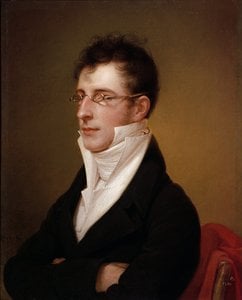
1784 - 1865 , Ameerika Ühendriigid

 Eelvaade
 Saada
Saada Jaga
Jaga
 Teave teose kohta

 Laadi alla
 Sarnased teosed
 Röntgenuuring
 Slaidietendus


 Loe lähemalt


