TASUTA KUNSTIKONSULTATSIOON

x
Telli trükis Telli trükisTellimaks maali Tellimaks maali SaadaSaada
DetailidDetailid Lisa lemmikutesse Lisa lemmikutesse Laadi allaLaadi alla Sarnased teosedSarnased teosed RöntgenuuringRöntgenuuring SlaidietendusSlaidietendus

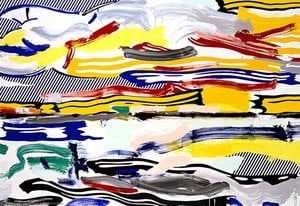
Sinking Sun

Roy Lichtenstein oli USA Pop Art kunstnik, kes tunneta oma Ben-Day punktistikuga ja koomiksipildi inspiratsiooniga ning kriitilise kommentaariga tarbimiskultuurile. Vaata suuremalt 'Whaam!' ja rohkem maalil!

Ostke kõrglahutusel ja täiustatud digitaalne pilt, mis on oluliselt parem kui veebilehel näidatud eelvaade.

Iga fail on meie spetsialistide poolt hoolikalt ette valmistatud, kasutades kaasaegseid tööriistu ja professionaalset käsitsi retušeerimist. Tagame, et igal pildil on erakordne selgus, täpne värvitäpsus ja peen detail.

Lõplik fail saadetakse e-posti teel 72 tunni jooksul, olles optimeeritud koheseks kasutamiseks professionaalsetes, toimetuslikes ja trüki keskkondades. See on sama kvaliteet, mida usaldavad tipptasemel disainistuudiod, kirjastused ja galeriid.

Digitaalne kunstiteos

Laadi alla kõrge resolutsiooniga fail isiklikuks vaatamiseks, trükkimiseks ja loomingulisteks projektideks.

Lõppsumma

$9.99

Sisse kuulub iga digitaalse pildi tellimusega

Eksperdi digitaalne kohaletoimetamine, garanteeritud

Valides WahooArt.com, ei saa sa lihtsalt pilti – saad professionaalselt parandatud digitaalse teose, mida on valmistatud täpsusega ja mis on toetatud rahuldamatusgarantiiga. Siin on kõik, mis sinu tellimusega automaatselt kaasneb:

shipping_icon
Kiire digitaalne saatmine

Teie kõrge resolutsiooniga digitaalne pildifail saadetakse teile e-posti 72 tunni jooksul pärast tellimist – kohe kasutamiseks valmis.

canvas_icon
Tehisintellektiga täiustatud digitaalne fail

Teie teos on professionaalselt optimeeritud arenenud tehisintellekti tööriistade ja käsitsi redigeerimise abil, tagades maksimaalse detailitaseme, selguse ja värvitäpsuse.

insurance_icon
Tasuta eluaegne uuesti saatmine

Kas kustutasid faili kogukalu unustamisel või kustutamisel? Puudub mure – saad selle uuesti igal ajal ilma lisatasuta.

tax_icon
Puuduvad importimaksed – alati

Nautige oma teoseid koheselt ilma tolli-, maksude või tarnimaskuludeta – digiletchargused on alati maksuvabadud.

color_icon
Värvitäpsuse garantii

Me tagame, et teie digitaalne pilt kajastaks originaali värve professionaalsete tööriistade ja värvihalduse abil võimalikult täpselt.

return_icon
60-päevane rahulolu garantii

Kui te ei ole oma digipildiga rahul, parandame seda või tagastame 100% summast 60 päeva jooksul – küsimusi ei esita.

guarantee_icon
100% raha tagastamise garantii

Ei ole rahul? Saate täielise tagastaja 60 päeva jooksul pärast digitaalse faili kättesaamist – küsimata.

discount_icon
Suurema tellimuse soodustused

Osta 3 pilti, säästa 10% - Osta 5, säästa 15% - Osta 10+, säästa 20%. Sobib suurepäraselt loomingulisteks projektideks, galeriideks ja agentuurideks.

Teave teose kohta

  • Title: Sinking Sun
  • Subject or theme: Sunset scene
  • Year: 1964
  • Notable elements: Ben-Day dots, rainbow
  • Influences: Pop culture
  • Medium: Oil on canvas
  • Movement: Pop Art

Kunstiviktoriin

Iga küsimuse kohta on ainult üks õige vastus.

Küsimus 1:
What artistic movement is Roy Lichtenstein most closely associated with?
Küsimus 2:
The technique of using small dots to create detailed images in 'Sinking Sun' is known as:
Küsimus 3:
In 'Sinking Sun', what color primarily dominates the sky?
Küsimus 4:
The painting ‘Sinking Sun’ was created in which year?
Küsimus 5:
What does the presence of a rainbow in ‘Sinking Sun’ symbolize, according to its context within Lichtenstein's work?

Kollektsiooni kirjeldus

A Descent into Vibrant Color and Modern Anxiety

Roy Lichtenstein’s Sinking Sun, painted in 1964, isn't merely a depiction of a sunset; it’s a carefully constructed meditation on the anxieties and visual language of the burgeoning Pop Art movement. Emerging from the shadows of Abstract Expressionism, Lichtenstein sought to dismantle traditional notions of fine art by embracing the imagery of popular culture – advertising, comic books, and everyday objects – transforming them into sophisticated works of art. Sinking Sun embodies this shift perfectly, capturing a fleeting moment of dramatic beauty while simultaneously hinting at an underlying sense of unease.

The painting’s genesis lies in the artist's fascination with the visual techniques employed in commercial printing, particularly the use of Ben-Day dots. This technique, borrowed from the world of mass production, creates a mosaic effect of tiny colored squares that mimics the appearance of halftone patterns found in newspapers and magazines. Lichtenstein masterfully employs this method to render the fiery hues of the sunset – vibrant yellows, deep oranges, and streaks of purple – imbuing the scene with an almost photographic quality while simultaneously distancing it from traditional representational painting. The deliberate flatness of the color fields contributes to the work’s immediate impact, drawing the viewer into its bold and dynamic composition.

Composition and a Symbol of Transition

The composition of Sinking Sun is deceptively simple yet profoundly effective. A dramatic sunset dominates the canvas, with a large, cloud-obscured sun positioned just above the horizon line. The clouds themselves are rendered in soft pinks and blues, creating a sense of depth and atmospheric perspective. A subtle rainbow arcs across the upper portion of the painting, adding a touch of hopeful beauty to the scene – a fleeting promise after the intensity of the sunset. However, it’s not just a picturesque landscape; the receding horizon line suggests a downward trajectory, subtly conveying a feeling of decline or transition.

The choice of subject matter itself is significant. A sinking sun has long been a potent symbol in art and literature, representing endings, mortality, and the passage of time. In Sinking Sun, this symbolism is amplified by Lichtenstein’s stylistic choices. The bright colors and simplified forms contrast sharply with the melancholic connotations of the subject matter, creating a compelling tension between beauty and sadness.

Pop Art's Challenge to Tradition

Lichtenstein’s work, including Sinking Sun, played a pivotal role in challenging established artistic conventions. By appropriating imagery from popular culture – a deliberate move away from the traditional subjects of fine art – he questioned the very definition of what constituted “art.” His use of comic book aesthetics, bold colors, and mass-produced techniques directly confronted the elitism and intellectualism often associated with the art world. Sinking Sun exemplifies this challenge, demonstrating how seemingly mundane imagery could be elevated to a level of artistic significance.

A Timeless Reflection on Modernity

Today, Sinking Sun is recognized as an iconic image of American Pop Art and a testament to Lichtenstein’s innovative approach. Its vibrant colors, meticulous attention to detail, and subtle symbolism continue to resonate with viewers. The painting serves as a poignant reminder of the cultural landscape of its time – a period marked by rapid technological advancements, consumerism, and a growing sense of uncertainty. More than just a beautiful image, Sinking Sun offers a glimpse into the anxieties and aspirations of a generation grappling with the complexities of modernity. It’s a work that invites contemplation and rewards repeated viewing, revealing new layers of meaning with each encounter.

Further Resources: Roy Lichtenstein: Sinking sun, Roy Lichtenstein: Figures with sunset, Roy Lichtenstein: We rose up slowly, Roy Lichtenstein: Crying girl

Artist Information: Roy Fox Lichtenstein (1923-1997) was an American pop artist. He rose to prominence in the 1960s through pieces which were inspired by popular advertising and the comic book style. Much of his work explores the relationship between fine art, advertising, and consumerism.

Additional Research: Roy Lichtenstein, Roy Lichtenstein Foundation

Sarnased teosed


Kunstniku biograafia

The Genesis of a Pop Visionary

Roy Fox Lichtenstein, born in the vibrant metropolis of New York City on October 27, 1923, indelibly altered the landscape of twentieth-century art. Emerging as a pivotal figure within the Pop Art movement, Lichtenstein didn’t simply reflect his era; he actively interrogated it, transforming commonplace imagery into compelling artistic statements. His upbringing in an upper-middle-class Jewish family fostered both a cultural awareness and an early artistic inclination. Childhood exposure to museums and concerts, coupled with a deep appreciation for jazz music, laid the groundwork for a creative spirit that would challenge conventional notions of fine art. Though initially drawn to realistic drawing and painting during his formative years, Lichtenstein’s formal training commenced at the Art Students League in 1939 under Reginald Marsh, followed by studies at Ohio State University – interrupted briefly by wartime service in the Army. These experiences provided a robust technical foundation that would later be brilliantly re-contextualized through the lens of mass culture and commercial aesthetics. The seeds of his signature style weren’t sown within the hallowed halls of artistic tradition but rather in the often-overlooked world of everyday imagery, particularly comic books and advertising.

Early Influences and Artistic Exploration

Lichtenstein's formative years were marked by a fascination with Surrealism, mirroring the dominant aesthetic currents of his time. However, this initial engagement proved transitional, propelling him toward a radical stylistic shift. A crucial encounter transpired during his tenure at Rutgers University where he connected with Allan Kaprow, whose influence rekindled Lichtenstein’s interest in proto-pop iconography. This serendipitous meeting sparked a transformative reconsideration of artistic boundaries, prompting him to question the established dichotomy between “high” and “low” art. He began venturing beyond the subjective realm of Surrealism toward the objective language of popular culture – specifically, comic books and advertising. The year 1961 witnessed a decisive breakthrough with *Look Mickey*, a work that boldly appropriated characters from Disney comics, signaling the commencement of his distinctive style. This wasn’t mere imitation; it was an act of artistic re-evaluation, elevating commonplace imagery to the stature of fine art. He didn't simply replicate comic strip scenes; he meticulously recreated them utilizing techniques mirroring commercial printing processes – a deliberate blurring of distinctions between original artwork and mass production. This appropriation wasn’t about celebrating consumerism uncritically but rather scrutinizing its pervasive dominion over American society and contesting entrenched artistic hierarchies.

The Birth of Ben-Day Dots and Bold Color Palettes

Lichtenstein's artistic vocabulary swiftly gained recognition: bold, primary hues, thick black outlines, and most notably, Ben-Day dots – a technique directly borrowed from the mechanical reproduction of comic books. These dots weren’t merely decorative; they constituted integral to his conceptual framework, representing the very process of mass production and challenging the traditional emphasis on the artist's hand. His paintings frequently magnified details from comic strips to monumental scale, compelling viewers to confront the aesthetic qualities of an art form typically dismissed as trivial. Works like *Whaam!*, *Drowning Girl*, and *Oh, Jeff…I Love You, Too…But…* became emblematic representations of Pop Art, encapsulating anxieties and desires inherent in a rapidly evolving consumer culture. These weren’t simply depictions of comic book narratives; they functioned as commentaries on themes of war, romance, and societal expectations – filtered through the visual language of mass media. He aimed to liberate art from subjective expression, presenting his work as impartial reflections of American society—a mirror held up to its own manufactured reality. The deliberate flatness and absence of painterly gesture further underscored this detachment, mirroring the impersonal nature of commercial printing.

Major Achievements and Artistic Legacy

Lichtenstein’s influence extended far beyond the confines of painting. His innovative utilization of commercial techniques and appropriation paved the way for subsequent generations of artists investigating themes of consumerism, media saturation, and cultural identity. The sale of *Masterpiece* in 2017 solidified his position as one of the most commercially successful American artists of all time—but his legacy transcends monetary valuation. He challenged conventional notions of artistic authorship and originality, prompting a fundamental reassessment of what constitutes “art” itself. His oeuvre continues to inspire graphic designers, illustrators, and visual artists across diverse disciplines.
  • Significant Contributions: Spearheaded Pop Art style; achieved international acclaim through groundbreaking exhibitions.
  • Iconic Works: *Whaam!*, *Drowning Girl*, *Oh, Jeff…I Love You, Too…But…*, *Masterpiece*.
  • Teaching Influence: Shaped aspiring artists at SUNY Oswego and Rutgers University.
Lichtenstein passed away on September 29, 1997, bequeathing a body of work that persists as pertinent and provocative today as it was during the zenith of Pop Art. His art serves as a potent reminder of the pervasive sway of mass media and its capacity to shape our perceptions of reality. He didn’t merely mirror his era; he actively scrutinized it—leaving an indelible imprint on the annals of twentieth-century art and sustaining inspiration for critical dialogue concerning the relationship between art, culture, and commerce. His legacy stands as testament to the transformative power of appropriation, the beauty inherent in the commonplace, and the enduring impact of a truly visionary artist.
Roy Fox Lichtenstein

Roy Fox Lichtenstein

1923 - 1997 , USA

Lühikesed faktid

  • Artistic Movement Or Style: Pop Art
  • Artists Who Influenced This Artist:
    • Reginald Marsh
    • Allan Kaprow
  • Date Of Birth: October 27, 1923
  • Date Of Death: September 29, 1997
  • Full Name: Roy Fox Lichtenstein
  • Nationality: American
  • Notable Artworks:
    • Whaam!
    • Drowning Girl
    • Oh, Jeff…I Love You, Too…But…
  • Place Of Birth: New York City, USA