Sellel lehel kuvatav kunstiteos on kaitstud autoriõigusega, mis tähendab, et meil ei ole seaduslikku õigust luua või müüa identset reproduktsiooni. Seda kaitset rakendatakse rahvusvaheliste kokkulepete alusel, nagu näiteks Berne konventsioon ning riiklike seadustega, sealhulgas nendega, mida on sätestatud USA autoriõiguse seadus – 17. peatükk.
See meetod järgib täielikult autoriõiguse reegleid, kuna see ei põhine kaitstud kunstiteose kopeerimisel või dupliteerimisel. Selle asemel on tegu loova reinterpreetatsiooniga – uue maaldisega, mis on algteosest inspireeritud, kuid ei ole sellest identiline.
Muuseumikvaliteediga giclée- või kangasprint kiire tootmisega ja paindlikud viimistlusvõimalused. ( Osta käsitsi maalatud teos Lülita digitaalse pildi juurde)





























Vali meie eelmääratud suurused, mis vastavad teose algupärastele proportsioonidele.

Sisestage vajalik laius ja kõrgus, et see sobiks teie raamile või seinale. Trükki saab ainult lõigata, seda ei saa kunagi pildist suuremaks teha, seega ka erineva mustega suurus kaotab osa pildist. Enne trükkimist saadame teile kinnitamiseks digitaalse näidisprojektsiooni. Sellel lehel näidatud pilt ei kujuta reaalset lõiget — seda näitab ainult näidisprojektsioon.
Ülemaailmne tarne () 2 nädala jooksul, tavalise 4/5 nädala asemel. (10 november)
The fine idea
Reproduktsiooni suurus
René Magritte’s 1964 painting, “The Fine Idea,” is not merely a depiction of a horse; it’s an invitation to question the very nature of reality. This surrealist masterpiece, rendered with Magritte’s signature meticulous technique, presents a profoundly unsettling yet captivating scene – a horse bearing a miniature castle upon its head, set within the tranquil depths of a forest. The image immediately arrests the viewer, forcing a confrontation with the illogical and inviting contemplation on themes of illusion, power, and the hidden dimensions of human perception.
Magritte’s approach to painting was characterized by an almost photographic realism, meticulously executed yet imbued with a deliberate strangeness. “The Fine Idea” exemplifies this perfectly. The horse is rendered with painstaking detail – the texture of its coat, the glint in its eye – creating a startlingly lifelike image that immediately draws the viewer in. Yet, the castle perched upon its head defies logic and disrupts any sense of conventional representation. His use of muted colors—primarily browns, greens, and blues—contributes to the painting’s dreamlike quality, further distancing it from the constraints of everyday reality. The brushstrokes are subtle, almost invisible, contributing to the overall illusionistic effect.
The symbolism within “The Fine Idea” is rich and open to interpretation. The castle, a traditional symbol of power and royalty, placed on the head of an animal immediately raises questions about authority, control, and perhaps even the absurdity of human ambition. Some scholars suggest that the horse represents humanity itself, burdened by its own aspirations and delusions. Magritte’s recurring motif of veiled figures – hinted at in his early work following his mother's death – is subtly present here, suggesting a hidden reality obscured from our immediate perception. The horse’s gaze, directed off-camera, adds to the painting’s enigmatic quality, inviting the viewer to become an active participant in the scene and contemplate their own role as observers.
"The Fine Idea" was created during a period of significant artistic experimentation, reflecting the broader trends within Surrealism. Magritte, along with artists like Salvador Dalí, sought to challenge conventional notions of reality through dreamlike imagery and illogical juxtapositions. This painting stands as a testament to his enduring influence on 20th-century art, continuing to provoke thought and inspire awe decades after its creation. Its meticulous detail combined with surreal elements makes it a compelling piece for collectors and interior designers seeking unique artwork that sparks conversation and contemplation.
Teose „The fine idea“, autor René Magritte materjal on Acrylic On Canvas. Reproduktsioonide eesmärk on jälitada selle tehnika välimust.
Teost "The fine idea" saab uurida kiht kihti teose Röntgenuuring lehel, mis on restauraatori valgelaudast inspireeritud interaktiivne vaatur, pakkudes kujundist üksteist optilist lugemist.
Teose „The fine idea“, autor René Magritte domineeriv värv on Gray (#6ea175).

René Magritte, born René François Ghislain Magritte on November 21, 1898, in Lessines, Belgium, emerged from a childhood profoundly shaped by tragedy – the untimely death of his mother when he was merely thirteen. This formative experience instilled within him an unwavering fascination with mystery, loss, and the unsettling power of what remains unseen; it would subtly permeate his artistic vision throughout his prolific career.
Despite initial inclinations toward Impressionism, Magritte swiftly recognized its limitations in conveying the complexities he wished to explore. He enrolled at the Académie Royale des Beaux-Arts in Brussels, seeking a more rigorous training but ultimately rejecting its formal conventions. Recognizing the influence of Giorgio de Chirico’s *The Song of Love* (1922), Magritte discovered a new aesthetic path—one where familiar landscapes could transform into dreamlike realms and commonplace objects could provoke unsettling questions about reality.
Magritte's commitment to Surrealism solidified in 1926 with *Le Jockey Perdu*, marking his decisive departure from traditional artistic styles. Embracing the principles of automatism championed by André Breton, he sought to liberate creativity from conscious control, mirroring the broader intellectual currents of the era. His distinctive approach distinguished him from many fellow Surrealists; Magritte wasn’t interested in delving into subconscious anxieties through free association but rather in meticulously crafting visual paradoxes that disrupted viewers' perceptions.
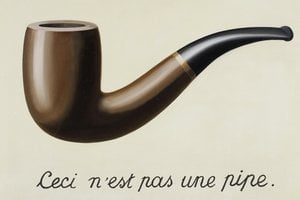
Magritte’s oeuvre is characterized by a masterful manipulation of illusion and representation. *The Treachery of Images (This is not a pipe)* (1929) exemplifies his genius—a deceptively simple depiction that compels us to reconsider the relationship between image and object, mirroring the core tenets of Surrealist thought. Similarly, *Les Amants* (1927-1928), featuring shrouded figures, echoes the trauma of his mother’s death while simultaneously exploring themes of concealment and intimacy. Masterpieces like *Time Transfixed* (1938) and *The Human Condition* (1933) further demonstrate Magritte's ability to unsettle viewers with unsettling juxtapositions and visual puzzles.
René Magritte’s artistic legacy extends far beyond the confines of Belgian art history. His pioneering exploration of Surrealism profoundly impacted subsequent generations of artists—from Pop Art luminaries like Andy Warhol to Minimalist sculptors such as Donald Judd—establishing him as a cornerstone of 20th-century visual culture. Today, his paintings reside in prestigious museum collections worldwide, including the Musées royaux des beaux-arts de Belgique and the Magritte Museum, ensuring that his visionary aesthetic continues to inspire awe and provoke contemplation for decades to come.

1898 - 1967 , Belgia

Elevate your design projects with WahooArt's premium canvas prints and hand-painted reproductions. From Giclée excellence to bespoke oil commissions, we provide professional decorators with museum-quality, affordable art solutions delivered worldwide with a 100% satisfaction guarantee.

Discover the excellence of WahooArt.com premium poster prints. Designed for elite collectors, our museum-quality Giclée reproductions offer unmatched durability and archival precision to elevate your luxury interiors with high-impact, sophisticated art decor.
 Eelvaade
 Saada
Saada Jaga
Jaga
 Teave teose kohta
 Juhend

 Laadi alla
 Sarnased teosed
 Röntgenuuring
 Slaidietendus
 KÜSIMUSED JA VASTUSID
 Statistika

 Loe lähemalt









 Klaasivalik on saadaval ainult kuni 110 cm suuruses teostes