TASUTA KUNSTIKONSULTATSIOON

x
Tellimaks maali Tellimaks maaliOsta digipilt Osta digipilt SaadaSaada
Teave teose kohtaTeave teose kohta Lisa lemmikutesse Lisa lemmikutesse Laadi allaLaadi alla Sarnased teosedSarnased teosed RöntgenuuringRöntgenuuring SlaidietendusSlaidietendus

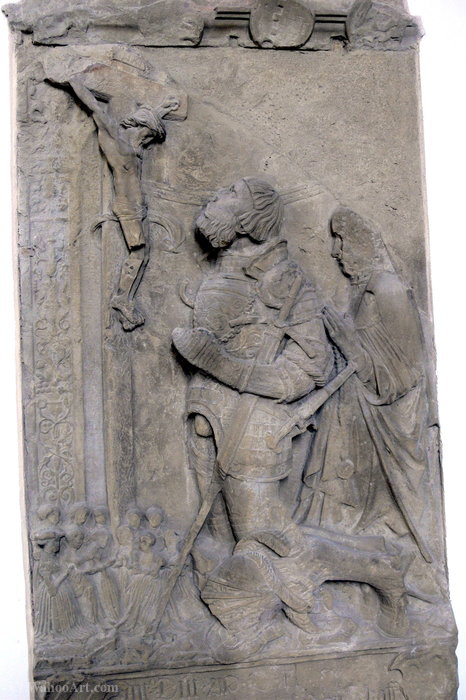
Epitaph 12 fuchs.

Discover the masterful works of Peter the Elder Dell (1490-1552), a German Renaissance painter known for allegories & religious scenes like 'Christian Salvation'. Explore his art!

Giclée / Kunstiprint

Muuseumikvaliteediga giclée- või kangasprint kiire tootmisega ja paindlikud viimistlusvõimalused.

Standard
custom
CM
INCH

Vali meie eelmääratud suurused, mis vastavad teose algupärastele proportsioonidele.

laius
kõrgus

Saate sisestada oma mõõdud, et need sobiks konkreetse raami või ruumi sisse. Kui valitud suurus ei vasta originaalteose proportsioonidele, lõigame teose ära või laiendame pilti peegeldatud või ühtlase servaga. Enne tootmisprotsessi algust saadetakse Teie kinnitamiseks digitaalne näidis.
Palun märka, et ekraanil kuvatav eelvaade ei kajasta tegelikku lõigamist või laiendamist. Ainult näidis kujutab täpselt lõplikku kompositsiooni.
Kuigi erimõõdu on saadaval, soovitame originaaproportsioonide säilitamiseks valida mõõt ette määratud nimekirjast.

Ülemaailmne tarne () 2 nädala jooksul, tavalise 4/5 nädala asemel. (22 juuli)

why_choose_icon
Tasuta ekspresssaatmine üle maailma
why_choose_icon
Kõrgekvaliteediline linakangas
why_choose_icon
Täielik transpordikindlustus
why_choose_icon
Tollimaksude tagastamise garantii
why_choose_icon
Värvitoime täpsuse garantii
why_choose_icon
60-päevane tagastusõig: ainult tootmisdefektide korral
why_choose_icon
100% raha tagasi garantii
why_choose_icon
Hulgusoodustus

Kogu summa

-

reproduction

Epitaph 12 fuchs.

Giclée / Kunstiprint

Reproduktsiooni suurus

-

Kogusumma

-


Kunstniku elulugu

Peter the Elder Dell (1490–1552): A Sculptor’s Vision of Faith

Peter Dell the Elder, born in Würzburg around 1490, stands as a pivotal figure in German Renaissance sculpture. While overshadowed by his more celebrated son, Peter Vischer the Elder, Dell's contributions to artistic innovation and humanist ideals cemented his place within the broader cultural landscape of his era. His life remains shrouded in some mystery, documented primarily through surviving inventories and occasional references in contemporary texts – a testament to the challenges faced by historians reconstructing biographical details from centuries past. Dell’s formative years were steeped in the intellectual fervor of Würzburg University, where he honed his skills as both sculptor and humanist scholar. Exposure to classical ideals championed by Erasmus and Pico della Mirandola profoundly shaped his artistic sensibilities, fostering a conviction that art should serve as a conduit for moral enlightenment. This philosophical underpinning is evident throughout his oeuvre, particularly in works imbued with symbolic representations of Christian virtues – a characteristic that distinguishes him from many of his contemporaries who prioritized decorative embellishment over conceptual depth. Dell’s sculptural output spanned several decades, producing an impressive array of pieces encompassing portrait busts, architectural sculptures, and monumental figures intended for ecclesiastical commissions. His workshop flourished during the reign of Maximilian I, Emperor of Holy Roman Empire, attracting talented artisans and fostering a collaborative environment conducive to experimentation. Notably, Dell collaborated extensively with Peter Vischer the Elder on ambitious architectural projects – most notably the Marienplatz Glockenspiel in Munich – demonstrating a remarkable synergy between father and son that elevated their collective artistic achievements. The stylistic evolution of Dell’s work reflects the prevailing trends of German Renaissance sculpture. Initially influenced by Florentine Mannerism, he gradually embraced a more restrained aesthetic characterized by meticulous detail and harmonious proportions. His sculptures eschewed excessive ornamentation, prioritizing clarity of form and expressive subtlety – qualities that align seamlessly with the humanist ethos underpinning his artistic practice. Furthermore, Dell skillfully employed techniques such as lost wax casting to achieve unparalleled precision in capturing anatomical realism and conveying nuanced emotional states. Dell’s legacy extends beyond his individual creations; he established a workshop that became synonymous with excellence in German sculpture for generations to come. His son, Peter Vischer the Elder, continued his father's artistic endeavors, upholding Dell’s commitment to humanist ideals and furthering the workshop’s reputation as a bastion of sculptural innovation. Ultimately, Peter Dell the Elder’s contribution to German Renaissance art lies not merely in the beauty of his sculptures but also in his embodiment of the intellectual and moral aspirations that defined the era – an enduring testament to the transformative power of artistic vision.
peter the elder dell

peter the elder dell

1490 - 1552 , Germany

Lühikesed faktid

  • Artistic Movement Or Style: Renaissance Painting
  • Artists Or Movements Influenced By This Artist: ['']
  • Artists Who Influenced This Artist: ['']
  • Date Of Birth: 1490
  • Full Name: Peter Dell
  • Nationality: German
  • Notable Artworks: ['Christian Salvation']
  • Place Of Birth: Würzburg, Germany